
Plants
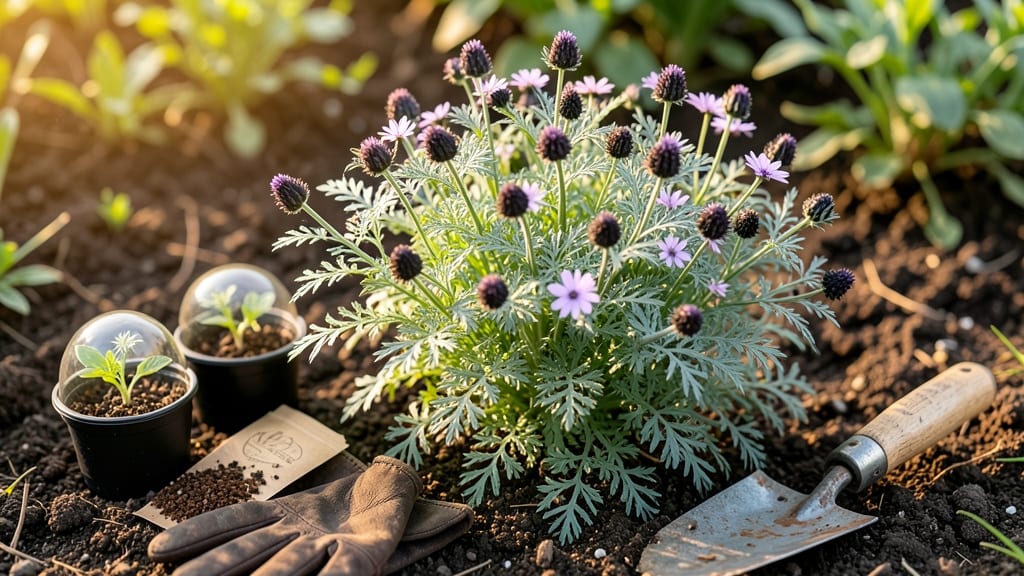
Timing your Love-in-a-Mist 🌸 planting just right can mean the difference between a garden full of delicate blooms and a missed opportunity. This charming annual thrives when sown at the perfect moment—too early, and frost will set it back; too late, and you’ll miss its magical spring display.
For most gardeners in Zone 6a (and similar climates), the ideal window opens in early spring—specifically after your last frost date when soil temperatures hit 50°F. But here’s the secret: even if you’re eager to get started, patience pays off.
Planting too soon can leave your seeds struggling in cold soil, while waiting until late spring ensures strong, vibrant growth.
Whether you’re a seasoned gardener or just starting out, understanding these timing cues will help you cultivate Love-in-a-Mist with confidence. I’ll walk you through the exact steps to maximize your blooms, from soil prep to post-planting care—so you can enjoy these ethereal flowers from late spring through summer.
Ready to transform your garden? Let’s dive into the key factors that make all the difference in growing Love-in-a-Mist successfully—no guesswork required.
Optimal planting times for Love in a Mist by climate Zone
Love in a Mist (Nigella damascena) thrives when planted at the right time, and your USDA hardiness zone determines the perfect window. In Zones 3-5, wait until after the last frost date (typically mid-to-late May) when soil warms to 50°F+. For Zones 6-10, you can start as early as March in coastal areas or April inland, where nights stay cooler.
Coastal regions benefit from earlier sowing (February-March) thanks to milder winters, while inland areas should delay until April-May to avoid late frosts that can kill tender seedlings. Fall planting (August-September) is also possible in Zones 7-10, allowing a second bloom cycle before winter.
Here’s how to align your planting with your local climate for maximum blooms:
For coastal gardeners, prioritize early spring (February-March) when ocean breezes moderate soil temperatures. Inland areas should delay until April to avoid late-spring frosts, which can blacken seedlings overnight. Use a soil thermometer to confirm 50°F+—this is your green light to plant.
If you’re in Zone 7-10, fall planting (August-September) offers a second chance for blooms. Sow seeds 6-8 weeks before your first frost to allow seedlings to establish roots before winter. Mulch heavily to insulate roots and protect tender growth.
Pro tip: Start seeds indoors 4-6 weeks before your last frost date for a head start. Use seed-starting trays with well-draining mix and keep them under grow lights until soil warms outdoors. Transplant seedlings when they’re 2-3 inches tall and hardened off.
Love in a Mist is self-seeding, so deadhead spent blooms in late summer to prevent volunteer seedlings from popping up unpredictably. This ensures your main planting schedule stays intentional and bloom-heavy.
In drought-prone areas, plant in fall to take advantage of cooler temperatures and natural rainfall. This reduces the need for supplemental watering while seedlings establish. Mulch with straw to retain moisture and suppress weeds.
Remember: Patience pays off with Love in a Mist. While it may take 60-90 days to bloom, the wait ensures sturdy stems and abundant flowers. Mark your calendar for your local last frost date—this is your planting cue for a garden filled with whimsical, lace-like blooms.
How soil warmth and moisture trigger Love in a Mist germination
Love in a Mist seeds need the right conditions to germinate—think of them as delicate snowflakes waiting for the perfect spring thaw. The magic happens when soil temperatures hit 60-70°F, signaling to seeds that it’s safe to sprout. Too cool, and they’ll linger in limbo; too warm, and they may rot before emerging.
Moisture is equally critical—seeds need consistent dampness to kickstart growth, but soggy soil invites fungal diseases. Aim for even moisture (like a wrung-out sponge) and avoid letting the top inch dry out. A simple soil thermometer ($10 at garden centers) becomes your best friend here—no guesswork!
🌱 Love in a Mist Germination Guide
| Condition | Ideal Range | Troubleshooting |
|---|---|---|
| Soil Temperature | 60-70°F | Use a soil thermometer; wait if <50°F |
| Moisture Level | Consistently damp | Avoid puddles; use well-draining soil |
| Light Exposure | Indirect light | Cover trays if direct sun scorches seeds |
| Germination Time | 14-21 days | Patience! Slow starts may need warmer temps |
Test soil readiness with the finger test: Stick your finger 1 inch deep. If it feels cool but not icy, and moisture clings without dripping, your seeds are in prime conditions. Pro tip: Mix in compost to boost warmth retention—think of it as a cozy blanket for your seeds.
Overwatering is a sneaky enemy. If your seed tray feels like a swamp, reduce watering immediately. Yellowing leaves or mold? That’s your cue to repot in fresh, dry soil. Remember: Love in a Mist hates soggy feet—just like us!
Once sprouts appear (those tiny green arrows!), move trays to a bright, indirect spot. Direct sunlight now can fry tender seedlings. Gradually introduce them to outdoor conditions over 1-2 weeks—a process called hardening off—to avoid shock when transplanting.
Timing these conditions right ensures your Love in a Mist blooms like clockwork. Miss the mark, and you’ll end up with leggy, weak plants that struggle to reach their full romantic potential.
But nail it, and you’ll have clouds of lacy blue or whispy white flowers by summer—worth every ounce of patience! 🌷