
Plants
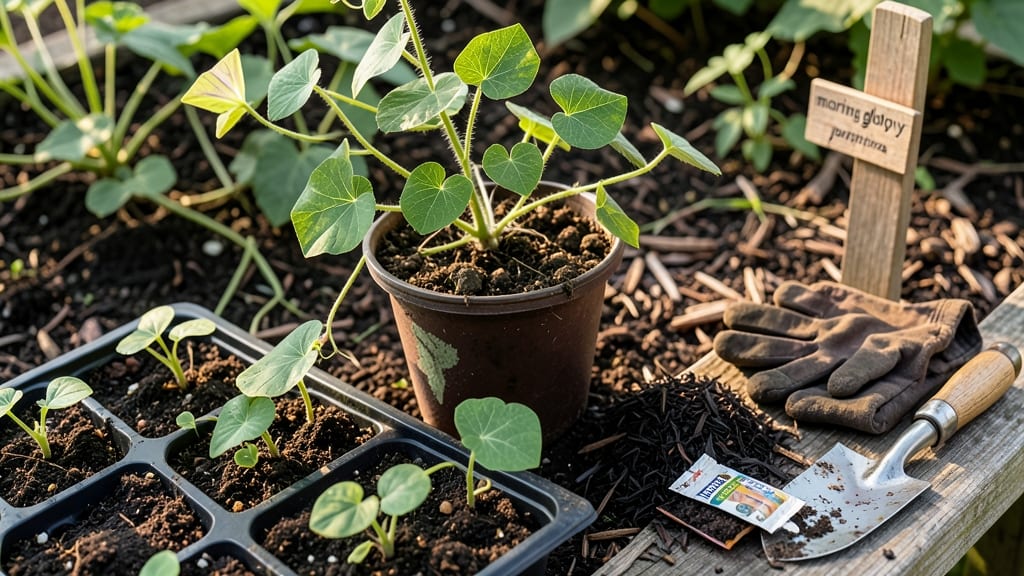
Timing your morning glory 🌸 planting in Zone 6 can mean the difference between a stunning summer display and a sad, frost-nipped disappointment. These fast-growing vines thrive when planted after the last frost—typically between late April and early May—but soil temperature matters more than the calendar date.
Most gardeners in Zone 6 (including 6a) wait until after April 15, but rushing too soon can leave your seeds vulnerable to late frosts. The key is planting when soil reaches at least 60°F, signaling safety for these heat-loving annuals.
Whether you're sowing directly in the garden or starting seeds indoors for an earlier bloom, I'll show you exactly when to plant for maximum success. You'll also discover how sunlight, support, and soil prep can turn your morning glories into a showstopping vine.
Let's dive into the science-backed planting window that guarantees your morning glories will take off—without waiting all season for those first glorious blooms.
Zone 6 morning glory planting dates by soil temperature (not calendar months)
Forget relying on calendar dates—soil temperature is the real indicator for planting morning glories in Zone 6. These heat-loving vines need soil to reach at least 60°F (15°C) to germinate reliably. In my experience, waiting for this threshold ensures zero frost damage and faster blooms.
Zone 6 spans a wide range of microclimates, so your exact planting window depends on your location. Northern Zone 6 (like Madison, WI) typically waits until mid-May, while southern areas (like Chattanooga, TN) can plant as early as late April.
Always check your local last frost date as a backup.
Here’s the science-backed approach: Use a soil thermometer to confirm warmth before planting. Morning glories are annuals in Zone 6, so we’re playing for summer-long blooms—not winter survival. Planting too early risks frost-killed seedlings, while waiting too long cuts your bloom season short.
🌱 Zone 6 Morning Glory Planting Timeline
| Stage | Action | Soil Temp | Zone 6 Window |
|---|---|---|---|
| Prep Soil | Add compost, loosen 6" deep | — | Early April |
| Test Soil | Check 60°F+ with thermometer | 60°F (15°C) | Mid-April to May |
| Direct Sow | Plant ½" deep, 6" apart | 60-70°F (15-21°C) | Late April–May 15 |
| Germination | Sprouts in 7-14 days | Consistent warmth | May–June |
| Bloom Time | First flowers in 60-75 days | — | July–September |
💡 Pro Tip: Northern Zone 6 gardeners can start seeds indoors 4-6 weeks before last frost to extend blooms.
If you’re in a microclimate (like a south-facing slope), you might plant 1-2 weeks earlier than average. Conversely, low-lying areas with cold air pockets should delay until soil consistently stays warm. I once planted too early in a valley spot, and my seedlings froze—lesson learned!
For container growing, use black pots to absorb heat faster and plant when daytime temps hit 70°F (21°C). Containers warm up quicker than garden soil, so you can often plant 2 weeks earlier than in-ground plantings. Just ensure your pots have drainage holes to prevent root rot.
Morning glories are fast growers, but they won’t tolerate cold soil. If your soil is still chilly in May, consider covering seeds with black plastic for a week to warm the earth. This trick has helped me shave off 10-14 days of waiting in cooler Zone 6 springs.
Once planted, provide trellis support immediately—their vines grow 6-10 feet per season! Without support, they’ll sprawl everywhere, and those stunning trumpet-shaped blooms will be eye-level instead of show-stopping vertical displays.
Remember: Morning glories are annuals in Zone 6, so focus on maximizing their summer performance. With the right soil temperature timing, you’ll enjoy continuous blooms from July through frost. That’s a 120-day floral show for the price of a packet of seeds!
3 Critical factors that change your morning glory planting window in Zone 6
Zone 6 gardeners know that calendar months aren’t the best planting guide—soil temperature, frost history, and seed speed matter more. Morning glories (Ipomoea purpurea) thrive when planted at the right time, and these three factors determine your perfect window.
Let’s break them down so you can avoid frost damage and maximize blooms.
First, soil temperature is your biggest clue. Morning glories need soil at at least 60°F to germinate reliably. In Zone 6, this typically happens after April 15, but a soil thermometer (just $10) gives you exact timing. Cold soil slows germination, leaving your vines vulnerable to late frosts.
Second, frost-free history varies by location. Northern Zone 6 (like Chicago or Minneapolis) averages a last frost date of May 1, while southern areas (like Nashville or St. Louis) see frost-free soil by mid-April. Check your local USDA Plant Hardiness Zone Map for precise adjustments.
| Factor | Zone 6 Timing | Actionable Tip |
|---|---|---|
| Soil Temperature | 60°F+ (late April–early May) | Use a soil thermometer for accuracy. |
| Frost-Free Date | Northern: May 1 | Southern: April 15 | Adjust 1–2 weeks for microclimates. |
| Seed Germination Speed | 7–14 days at 60°F+ | Start indoors 4–6 weeks early for faster blooms. |
Third, seed germination speed affects your planting strategy. Morning glories typically sprout in 7–14 days when soil is warm, but cooler conditions can stretch this to 3+ weeks.
If you’re eager for blooms, start seeds indoors 4–6 weeks before your last frost date. Use biodegradable pots to avoid transplant shock when moving them outside.
Pro tip: Direct sowing after your last frost is easiest, but if you’re in a cooler microclimate, stagger plantings every 2 weeks for continuous blooms. This ensures some vines will always be in peak flowering while others catch up.
Just remember—morning glories are annuals in Zone 6, so they’ll die back with frost but self-seed prolifically for next year.
Finally, don’t overlook support structures. Plant near trellises, fences, or arbors at the same time as sowing seeds. Morning glories climb aggressively, and giving them a head start on vertical growth means faster blooms and fewer tangled vines.
With these factors in mind, you’ll have vibrant, frost-free blooms from July to September—no guesswork required!