
Plants
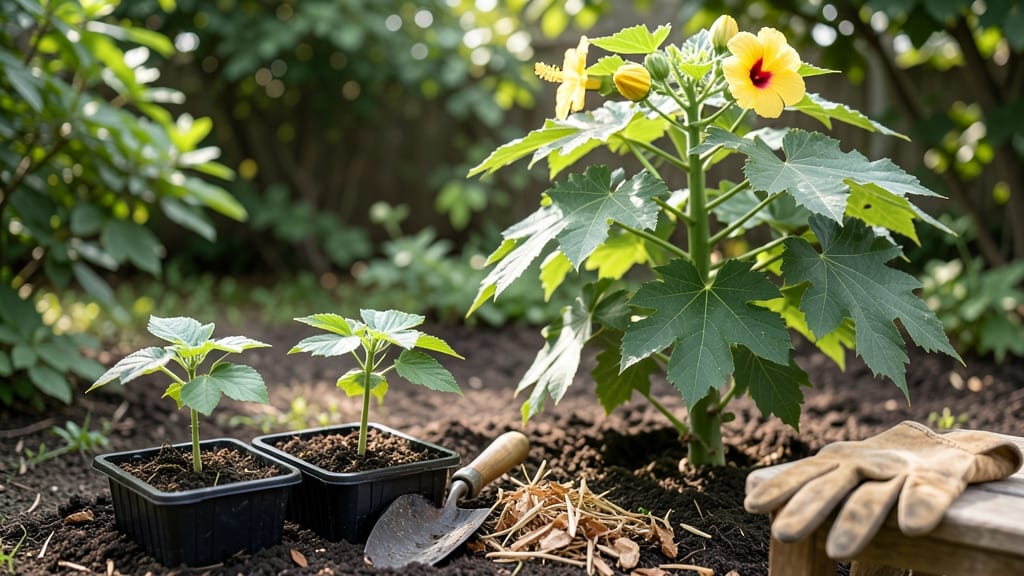
If you’ve ever planted okra in North Florida only to watch your crop struggle—or worse, bolt before producing a single pod—you’re not alone.
The key to successful okra planting here isn’t just about throwing seeds in the dirt; it’s about mastering the heat-zone timeline that separates a thriving harvest from a wasted effort.
North Florida’s subtropical climate (USDA Zones 8a-9a) gives okra 🌱 a fighting chance, but timing is everything. Plant too early, and frost can still sneak in; too late, and the brutal summer heat might stress your plants before they even get started.
The ideal window is narrow—just March to May for spring and August to September for a fall harvest—but getting it right means the difference between a garden full of tender pods and a sad, stunted mess.
I’ve grown okra here for years, and what I’ve learned is that North Florida’s humidity and sudden storms can turn even the best-laid plans into a disaster if you’re not prepared.
But with the right strategy—like knowing exactly when soil hits that 60°F sweet spot—you can outsmart the climate and enjoy fresh okra from June through October (or even later).
Ready to stop guessing and start growing? Let’s break down the exact dates, soil prep secrets, and pro tips to turn your okra into the star of your North Florida garden—no more wasted seeds or bolted plants in sight.
North Florida okra planting calendar: exact dates by heat Zone
Okra thrives in North Florida’s hot, humid summers, but timing your planting window correctly ensures a bountiful harvest. Since North Florida spans USDA Zones 8a-9a, your last frost date typically falls around mid-March, but soil warmth is the real trigger for okra.
The key is waiting until soil temperatures hit at least 60°F, which usually happens by late March to early April.
For spring planting, aim to sow seeds 2-3 weeks after your last frost date. This gives okra’s heat-loving roots time to establish before summer’s relentless sun.
In Zone 8a (northern areas like Jacksonville), this often means mid-April, while Zone 9a (south of Gainesville) can start as early as late March. Miss this window, and your okra may bolt or struggle in the heat.
| Planting Stage | Zone 8a (North) | Zone 9a (South) | Key Notes |
|---|---|---|---|
| Last Frost Date | Mid-March | Early March | Wait 2-3 weeks after frost before planting. |
| Ideal Soil Temp | 60°F+ | 60°F+ | Use a soil thermometer to confirm. |
| Spring Planting Window | Mid-April | Late March | Direct-sow seeds; no need to start indoors. |
| Fall Planting Window | Late August | Early August | Aim for harvest before first frost (mid-Nov). |
| Harvest Window | June–October | May–November | Harvest pods at 2-3 inches for best flavor. |
Don’t overlook fall planting—it’s a game-changer for North Florida gardeners. Okra handles heat better than cool weather, so you can push your second planting window into late summer. In Zone 8a, aim for late August, while Zone 9a can start as early as early August.
This strategy lets you harvest pods through October or November, just before frost hits.
For extended harvests, try succession planting every 2-3 weeks during your ideal window. Okra grows quickly—50-75 days to maturity—so staggered plantings keep pods coming. Just remember: never plant okra in winter; it’s a warm-season crop that won’t tolerate chilly soil or air.
Pro tip: Use black plastic mulch to warm soil faster in spring or retain heat in fall. This trick lets you plant 1-2 weeks earlier in cooler zones like Jacksonville or Gainesville. Just remove it once soil is consistently warm to avoid overheating roots.
Okra’s heat tolerance is legendary, but even it struggles if planted too early. Watch for yellowing leaves or stunted growth—a sign it’s too cold. If this happens, mulch heavily or use a row cover temporarily to protect seedlings until soil warms.
North Florida’s humidity and summer rains can also play havoc with okra. While it loves heat, excess moisture stresses plants and invites fungal diseases. That’s why well-draining soil and spaced rows are non-negotiable. Aim for 3 feet between rows to improve airflow and reduce disease risk.
Finally, track your local microclimate. Urban areas like Tallahassee may stay warmer longer than rural spots, while coastal regions near St. Augustine might experience earlier frosts. Use a neighbor’s garden or local extension office as a guide—okra planting is as much about local wisdom as it is about zones.
With these heat-zone timelines and tips, you’ll nail your okra harvest—no more wasted seeds or bolted plants. Just remember: patience is key. Wait for that 60°F soil, and your okra will reward you with pods until frost! 🌱
How to extend okra’s growing season in North Florida’s humid heat
North Florida’s humid summers and occasional late-season hurricanes can cut okra harvests short if you don’t plan ahead. The key to extending your okra’s growing season lies in strategic shade, mulching, and companion planting—techniques that protect plants while keeping them productive.
With these methods, you can push harvests well into October or even November, depending on your microclimate.
Okra thrives in heat, but intense humidity and sudden storms stress plants, leading to mold, wilting, or stunted growth. By combining shade cloth, organic mulch, and smart companion plants, you create a resilient growing environment that mimics okra’s natural tropical origins.
Start with these three proven strategies to keep your plants thriving long after typical summer harvests end.
🌱 Pro Tip: Okra’s heat tolerance means it can handle Florida’s summer, but afternoon shade prevents stress during peak humidity. Use 30-50% shade cloth during the hottest months (June-August) to balance sun exposure.
🌱 Pro Tip: Okra’s heat tolerance means it can handle Florida’s summer, but afternoon shade prevents stress during peak humidity. Use 30-50% shade cloth during the hottest months (June-August) to balance sun exposure.
🌿 5 Key Strategies to Extend Okra’s Season
- 🌞 Use shade cloth (30-50%) during afternoons (12 PM - 4 PM) to reduce heat stress while maintaining sunlight.
- 🪴 Mulch heavily with straw or pine needles to retain moisture and regulate soil temperature.
- 🌱 Plant companions like marigolds or basil to deter pests and improve air circulation.
- 💧 Water deeply in the morning (1-2 inches per week) to avoid fungal diseases from evening dampness.
- 🌱 Succession plant every 2-3 weeks from August onward for staggered harvests.
Okra’s fast growth cycle (50-75 days to harvest) means you can stagger plantings to ensure a continuous supply. Start a second batch in early August for a fall harvest, and use row covers if frost threatens prematurely.
In North Florida’s Zone 8b-9a, late-season okra can often survive until mid-November with proper care, giving you pods well past the typical summer window.
🌱 Did You Know? Okra’s deep roots (up to 5 feet) help it withstand drought, but mulching keeps soil cool and retains moisture—critical during Florida’s dry spells.
For pest control, companion plants like marigolds or nasturtiums repel aphids and spider mites, while basil improves flavor and deters squash bugs. If storms roll in, stake or cage plants to prevent wind damage, and prune damaged leaves immediately to reduce disease risk.
With these adjustments, your okra can keep producing long after most gardeners pack it in—giving you fresh pods straight into autumn’s cooler months.
🌱 Harvest Hint: Pick pods every 2-3 days in fall to encourage new growth. Overripe okra toughens quickly, but consistent harvesting keeps plants productive.