
Plants
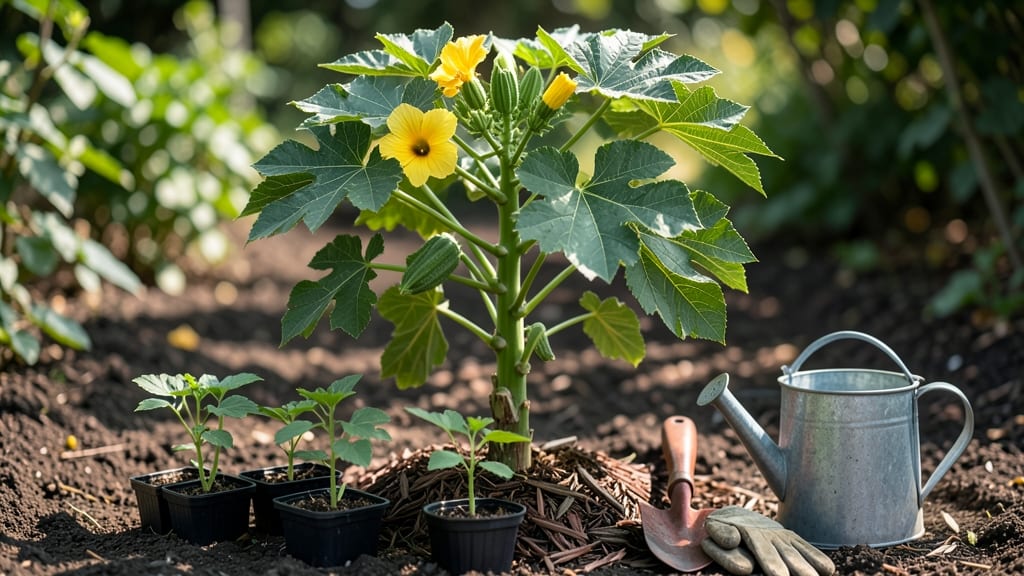
If you're dreaming of a bountiful okra harvest in Zone 9, timing is everything—plant too early, and you risk stunted growth, while waiting too long might mean missing the sweet spot before summer's brutal heat sets in.
The key to success lies in understanding your region's unique climate, where mild winters and long growing seasons create the perfect conditions for this heat-loving vegetable.
In Zone 9—think Southern California, Arizona, or Florida—okra thrives when soil temperatures hit 60°F or warmer, which typically aligns with late February to early March. But here's the catch: while frost isn't a concern, cool spring nights can still slow down germination.
By planting after the last frost risk (which is rare in Zone 9) and before the mercury climbs past 90°F, you'll give your 🌱 okra plants the ideal environment to flourish.
What makes this even more exciting is that okra in Zone 9 can be planted directly in the ground—no need for indoor starts. This means you can skip the fuss of transplanting and get straight to the fun part: watching your plants grow into towering, pod-producing powerhouses.
But timing isn't just about the calendar; it's also about reading your soil and weather patterns.
Ready to unlock the secrets of a zero-frost-risk okra harvest? I'll walk you through the exact soil temperature triggers, regional adjustments, and pro tips to ensure your okra plants are thriving from seed to harvest—without any surprises along the way.
Best planting times for okra in Zone 9 based on soil temperature
In Zone 9, okra thrives year-round, but timing matters to avoid heat stress or poor germination. The key is waiting until soil temperatures consistently reach 60°F or warmer.
This typically aligns with late March to early April in most Zone 9 regions like Southern California or Arizona. Planting too early risks cold soil, which slows growth and attracts pests like aphids.
For a second planting, aim for mid-to-late summer (August) to extend your harvest into fall. This works well in areas with mild winters, like Florida or Texas. Just avoid planting when daytime temps exceed 95°F, as okra struggles to establish roots in extreme heat.
Use a soil thermometer to confirm readiness—okra seeds won’t sprout below 60°F. If your soil is cooler, opt for container planting near a sunny wall to warm the roots faster. This trick works wonders in coastal Zone 9 areas where ocean breezes delay warming.
Okra is a warm-season crop, so direct sowing is best—no need for indoor starts. Simply scatter seeds ½ inch deep and 12 inches apart in rows 3 feet apart.
Thin seedlings to the strongest 2 per hill once they’re 3 inches tall. This spacing prevents overcrowding and improves airflow, reducing fungal risks.
🌱 Okra Planting Timeline for Zone 9
| Stage | Action | Soil Temp | Notes |
|---|---|---|---|
| Early Spring | Direct sow seeds | 60°F+ | Late March–early April |
| Late Summer | Second planting | 70°F+ | August for fall harvest |
| Harvest Window | Pick pods regularly | N/A | June–November |
| Avoid Planting | Extreme heat | Above 95°F | Stresses seedlings |
If you’re in desert Zone 9 (e.g., Phoenix), start seeds indoors in February under grow lights to transplant outdoors by mid-March. This head start helps okra beat the 100°F+ summers.
For coastal areas, like San Diego, wait until April—cooler ocean air keeps soil cooler longer.
Pro tip: Use black plastic mulch to warm soil faster and suppress weeds. Lay it down 2 weeks before planting to give the ground a 5–10°F boost. This shortcut is especially useful in high-altitude Zone 9 areas where nights stay chilly longer.
Monitor your local microclimate—urban areas heat up faster than rural zones. If your garden is near pavement or buildings, plant 1–2 weeks earlier than rural guidelines. Conversely, shady spots may need a delayed start until soil warms naturally.
Okra’s heat tolerance is impressive, but seedlings hate sudden temperature swings. In Zone 9’s transitional months (March–April), watch for 30°F nighttime drops, which can stunt growth. Use row covers or cloche tunnels for young plants until they’re 4 inches tall.
For container growers, fill pots with well-draining mix and place them in full sun. Containers warm up faster than soil, so you can plant 2–3 weeks earlier than in-ground okra. Just ensure pots are at least 12 inches deep—okra has deep taproots.
Remember: Okra’s speed is its superpower—it grows 2–3 inches per day in ideal conditions. By planting at the right time, you’ll enjoy harvests in as little as 50 days for tender, gourmet-quality pods. 🌱
Best planting times for okra in Zone 9 based on soil temperature
Zone 9 gardeners enjoy a long growing season, but okra hates cold soil. The key to success is waiting until the soil reaches at least 60°F (15°C)—this triggers rapid germination and strong root development.
In most of Zone 9, this typically aligns with late March to early May, depending on your microclimate.
For example, Southern California's coastal areas (like San Diego) can plant as early as mid-February when soil warms faster, while inland desert regions (like Phoenix) may need to wait until April to avoid late-season cold snaps.
Always check your local frost-free date—though Zone 9 rarely sees frost, unexpected cold snaps can still occur.
| Zone 9 Region | Ideal Planting Window | Soil Temp Trigger | Notes |
|---|---|---|---|
| Coastal (e.g., San Diego) | Mid-February to April | 60°F+ | Warmer microclimates allow earlier starts. |
| Desert (e.g., Phoenix) | April to early May | 65°F+ | Hotter days require slightly warmer soil. |
| Florida (e.g., Miami) | January to March | 60°F+ | Tropical climate allows year-round planting. |
| Texas Hill Country | Late March to April | 62°F+ | Avoid late frosts in elevated areas. |
If you miss the spring window, don’t worry—okra is a heat-loving plant and can handle summer planting. However, avoid sowing seeds when daytime temperatures exceed 95°F (35°C), as this can cause poor germination. Instead, opt for late summer planting (August-September) to enjoy a fall harvest before cooler weather arrives.
Pro tip: Use a soil thermometer to monitor temperatures. Plant only when the soil consistently stays above 60°F for 5+ days. This small step prevents leggy, weak seedlings that struggle to recover. In Zone 9, patience pays off—waiting for the right conditions ensures stronger plants and bigger yields.
For container growers, timing is even more critical. Since pots heat up faster, aim to plant 2-3 weeks after your in-ground soil reaches 60°F. This gives the soil (and your containers) time to stabilize.
Use black pots to absorb heat faster if you're in a hurry, but be prepared to water more frequently.
🌱