
Plants
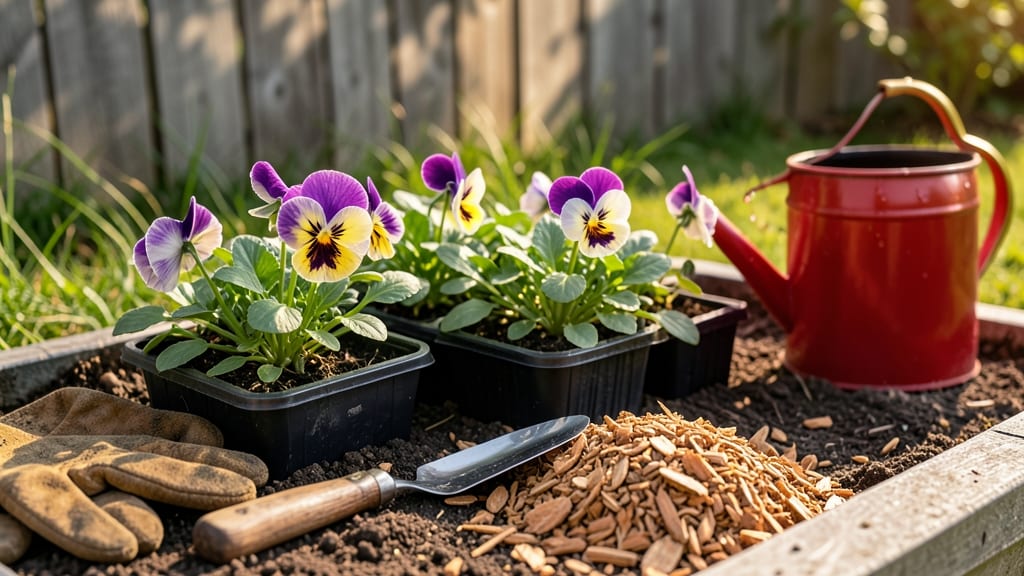
Planting pansies in South Africa at the wrong time could mean the difference between a vibrant garden and frost-nipped disappointment. These cheerful 🌸 blooms thrive in the mild winters of zones 9a-10a, but timing matters—especially when coastal Cape Town's last frost lingers until July or Johannesburg's earlier chill arrives.
Most gardeners in South Africa know pansies love spring and autumn, but the best months depend on your region. Whether you're in frost-prone Johannesburg or the milder Cape Town coast, planting between August-October (spring) and February-March (early autumn) gives your pansies the perfect head start for zero-frost blooms.
Why does this matter? Because pansies planted too early face frost damage, while late plantings miss peak flowering seasons. I'll show you exactly how to align your planting schedule with your local climate—so you get longer-lasting color without the guesswork.
From soil prep to variety selection, we'll cover everything you need to know to make your pansies the star of your garden, no matter where in South Africa you're growing. Let's get started!
Best planting months for pansies in South Africa by climate zone
South Africa’s diverse climate zones mean pansies thrive year-round in some regions while needing careful timing in others. The key is planting when soil temperatures are cool but frost-free—typically spring (August–October) and early autumn (February–March).
Coastal areas like Cape Town enjoy milder winters, while inland cities like Johannesburg face harsher frost risks.
For zero-frost success, aim for soil temps between 10°C–18°C (50°F–64°F). This range ensures strong root growth without stressing young plants. Perennial pansies (like Viola tricolor) can even overwinter in frost-free zones, but annual varieties need precise timing to avoid late-spring heat stress.
Here’s how to adapt your planting schedule based on South Africa’s three main zones: coastal, inland, and highland. Each has unique frost windows and ideal planting windows for vibrant blooms.
In coastal regions, you can even plant pansies in late autumn (April) for winter blooms, thanks to milder temperatures. However, avoid planting in December–February—the heat causes bolting (premature flowering) and weak stems. Inland areas should delay spring planting until after the last frost (typically mid-September in Johannesburg).
For highland gardens, focus on late-spring planting (October–November) when frost risk drops. Use black plastic mulch to warm soil faster in these cooler zones. Perennial pansies like Viola cornuta are ideal here—they tolerate lighter frosts (-5°C/23°F) better than annuals.
Pro tip: Test your soil’s drainage before planting. Pansies hate soggy roots—amend heavy clay with sand or compost to prevent root rot. Aim for soil that drains within 2–4 hours of watering. Add a 2-inch layer of mulch (straw or pine needles) to retain moisture without suffocating roots.
If you’re in a transition zone (e.g., Eastern Cape), split your planting: 50% in August (for early blooms) and 50% in March (for autumn color). This succession planting ensures continuous blooms from September to May. Just monitor weather forecasts—a sudden cold snap can delay spring planting by weeks.
Finally, choose the right pansy varieties for your zone. Coastal gardens thrive with Viola × wittrockiana (annuals), while inland areas need Viola tricolor (hardy perennials). Highland regions benefit from Viola lutea, which tolerates cooler temps and shorter days.
With these zone-specific timings, your pansies will bloom nonstop—from spring’s first flowers to autumn’s last burst of color. Happy planting! 🌸
Best planting months for pansies in South Africa by climate zone
South Africa’s diverse climate means pansies thrive in different regions at different times. Coastal areas like Cape Town enjoy milder winters, while inland cities like Johannesburg face frost risks. The key is planting when soil temperatures stay above 10°C (50°F)—this ensures strong root growth before cooler weather arrives.
For coastal regions, such as the Western Cape, your planting window opens earlier. August to October (spring) is ideal, with blooms lasting until December.
Inland areas should aim for September to early November to avoid late frost surprises. Highland regions like Durbanville can even plant in February for autumn blooms.
Here’s how to match your region to the perfect planting time:
| Region | Best Planting Window | Soil Temp Requirement | Frost Risk |
|---|---|---|---|
| Coastal (Cape Town, Stellenbosch) | August – October | 10–15°C (50–59°F) | Low (rare frost) |
| Inland (Johannesburg, Pretoria) | September – November | 12–18°C (54–64°F) | Moderate (late frost risk) |
| Highland (Durbanville, Somerset West) | February – March | 15–20°C (59–68°F) | Low (mild winters) |
Always check your local last frost date—Cape Town’s frost-free period starts around July 15, while Johannesburg’s frost risk lingers until April 15. Planting too early in cooler zones risks stunted growth, while late planting may miss the spring bloom rush.
Pro tip: Use mulch to regulate soil temperatures. A 2-inch layer of straw or wood chips keeps roots warm in winter and cool in summer. This extends your planting window by 2–4 weeks in frost-prone areas.
For year-round color, stagger plantings every 4–6 weeks between August and March. This ensures continuous blooms, even if some varieties fade with seasonal shifts. Just remember: partial shade (3–6 hours of sun) is key to prevent wilting in South Africa’s intense summer heat.
🌸