
Plants
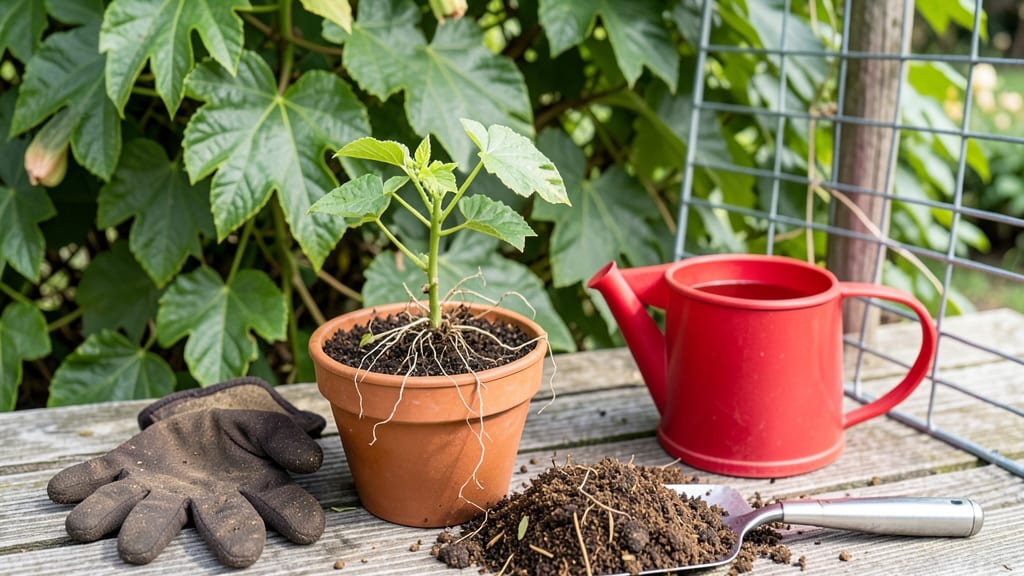
Timing your passion fruit planting in Melbourne could mean the difference between a bumper harvest and struggling vines. With our unique climate—where summer heat meets unpredictable spring showers—getting the schedule right is everything.
The best months to plant your 🍈 are September through November (spring) or February to March (early summer). This aligns perfectly with Melbourne’s frost-free windows and gives your vines time to establish strong roots before summer’s intensity.
But here’s the catch: coastal areas might handle early spring planting better than inland spots, where heat arrives faster.
Why does this matter? Because passion fruit vines need 6-8 hours of sun daily and well-draining soil to thrive. Plant too early, and you risk frost damage (though rare in Melbourne); too late, and your harvest could suffer from summer’s relentless heat.
Let’s break down the ideal timing and care tips to set your vines up for success.
In this guide, you’ll discover how to choose the perfect planting window for your Melbourne garden—whether you’re growing in pots or ground—plus pro tricks to protect your plants from heat stress and extend your harvest season. Ready to grow your own tropical fruit in Australia’s cool climate?
Best planting months for passion fruit in Melbourne’s climate zones
Melbourne’s four distinct seasons create unique challenges for growing passion fruit vines. Unlike tropical regions, our cooler winters and hot summers demand precise timing to avoid frost damage or heat stress.
The ideal planting window spans two periods: spring (September–November) and early summer (February–March), aligning with soil warmth and rainfall patterns.
Spring planting gives vines 6–8 months to establish roots before Melbourne’s summer heatwave season. Early summer planting, however, lets you capitalize on warmer soil temperatures (above 15°C/59°F) and higher humidity, which passion fruit loves. Both approaches work, but your local microclimate—coastal vs. inland—will influence success.
🌱
| Climate Zone | Best Planting Window | Soil Temp Requirement | Key Considerations | Container Adaptations |
|---|---|---|---|---|
| Coastal (e.g., St Kilda, Brighton) | September–October or February | 12–18°C (54–64°F) | Milder winters, wind protection needed | Use windbreaks and larger pots |
| Inland (e.g., Sunbury, Bendigo) | October–November or March | 15–20°C (59–68°F) | Hotter summers, shade cloth for young plants | Opt for black pots to absorb heat |
| Urban (e.g., Melbourne CBD) | February–March (only) | 18–22°C (64–72°F) | Limited space, container growing essential | Trellis against balcony walls |
For coastal Melbourne, where winters are milder, September–October planting is ideal. The soil stays warm enough to prevent root rot, while spring rains provide natural hydration. Inland areas, however, should wait until October–November to avoid late winter chills that can stunt growth.
If you’re growing in containers, timing shifts slightly. Pots heat up faster, so February–March becomes the safer bet. Use black plastic pots to absorb sunlight and insulated planters to retain warmth during cooler nights. Always include drainage holes—passion fruit vines hate soggy roots.
🌿
One common mistake is planting too early in spring, when soil temperatures hover around 10°C/50°F. Roots struggle to establish, leading to weak vines and poor fruit set. To test soil warmth, press your finger 5cm (2 inches) deep—if it feels cooler than your wrist, wait another week.
For urban gardeners, consider staggered planting: start one vine in September and another in February to extend your harvest window.
Melbourne’s summer heatwaves (especially in January–February) can stress young vines. If planting in early summer, provide 30% shade cloth until plants acclimate. Mulch heavily with organic matter (like straw) to lock in moisture and regulate soil temperature. Avoid synthetic mulches—they can overheat roots.
🪴
Passion fruit variety planting guide: tropical vs. temperate types
Melbourne’s climate can support both tropical and temperate passion fruit varieties, but your choice determines planting timing and yield success. Passiflora edulis (purple passion fruit) thrives in warmer areas, while Passiflora alata (granadilla) handles cooler nights better. Each variety has unique seasonal cues to guide planting.
For tropical varieties, aim for spring planting (September-November) to capitalize on Melbourne’s warming trends. These vines need consistent warmth to establish roots before summer’s heat. Temperate types, however, tolerate cooler springs and can even handle early autumn plantings (March-April) in sheltered microclimates.
🌱
Passion Fruit Variety Comparison
| Variety | Best Planting Months | Cold Hardiness | Fruit Season |
|---|---|---|---|
| Passiflora edulis (Purple) | Sep-Nov, Feb-Mar | Moderate (10°C+ nights) | Feb-May |
| Passiflora alata (Granadilla) | Aug-Oct, Mar-Apr | High (5°C+ nights) | Jan-Apr |
| Passiflora caerulea (Blue) | Sep-Nov, Feb | Very High (0°C tolerance) | Dec-Mar |
Note: Coastal Melbourne can plant 2 weeks earlier than inland areas due to milder nights.
If you’re growing Passiflora edulis, prioritize September-October planting to avoid late-spring frosts, even though Melbourne rarely sees them. For Passiflora alata, extend your window to August-September—these vines establish faster in cooler conditions and reward you with earlier flowers.
Pro tip: Stagger plantings by 4-6 weeks to extend your harvest window. For example, plant half your Passiflora edulis in September and the rest in February. This ensures fruit ripens continuously from February through May.
For urban gardeners with limited space, Passiflora caerulea (blue passion fruit) is ideal—it’s the most cold-tolerant and produces edible flowers and fruit. Plant these in containers with trellises and place them near north-facing walls to maximize warmth.
🌿