
Trees
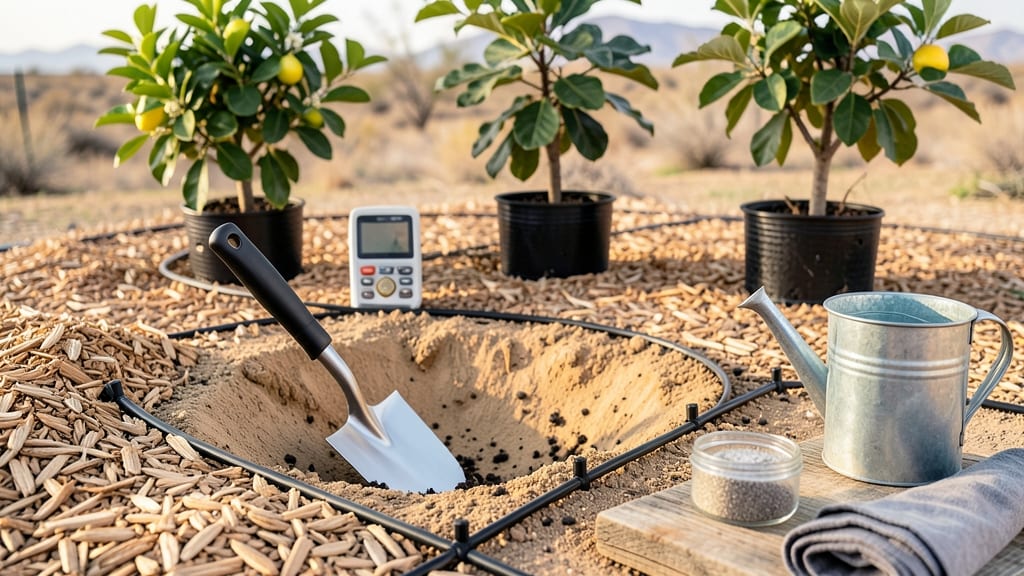
When to plant fruit trees in Arizona isn’t just about picking a month—it’s about unlocking the secret to fast root growth before summer’s brutal heat takes over. Plant too early, and your saplings will languish; too late, and heat stress can kill them before they even take hold.
Most Arizona gardeners swear by the November to February window, when cooler temps and winter rains give young roots the perfect chance to establish. But not all fruit trees thrive on the same schedule—citrus, peaches, and figs each have their own ideal timing to avoid frost or scorching.
In this guide, I’ll break down the best months for each variety, plus pro tips to outsmart Arizona’s climate and ensure your trees grow strong enough to handle the desert’s extremes. Ready to plant with confidence?
Whether you’re in the Low Desert or High Desert, these strategies will help you skip the guesswork and get your orchard off to a fast, healthy start—no matter what the monsoons bring.
Optimal planting months for Arizona fruit trees by variety
Arizona’s diverse microclimates and extreme temperature swings mean one planting window doesn’t fit all fruit trees. Citrus thrives in winter months when cooler temps slow pest activity, while stone fruits need early spring to avoid late frosts.
Let’s break down the best months for each variety to maximize root growth and survival.
For citrus trees like oranges, lemons, and grapefruits, November through January is ideal. These evergreens hate frost, so planting before December 15 gives roots time to establish before summer heat. In High Desert areas like Flagstaff, wait until March when frost risk drops.
Stone fruits—peaches, plums, cherries, and apricots—prefer late winter to early spring (February–March). These trees need 6–8 weeks of cool weather to set fruit buds, so avoid planting after March 15 in the Low Desert. High Desert zones can plant as late as April.
Pome fruits like apples and pears are tougher but still benefit from winter planting (November–January). They tolerate cooler temps better than stone fruits but still need frost-free soil to avoid root damage. In Phoenix, aim for December planting.
Tropical varieties such as mangoes, lychees, and avocados should go in late winter (February–March) in the Low Desert. These heat-lovers need warm soil (above 60°F) to sprout roots quickly. High Desert gardeners should wait until May when nights stay warm.
🌱
| Variety | Best Planting Months (Low Desert) | Best Planting Months (High Desert) | Key Consideration |
|---|---|---|---|
| Citrus (Oranges, Lemons, Grapefruit) | November–January | March–April | Avoid frost; soil must be 55°F+ |
| Stone Fruits (Peaches, Plums, Cherries) | February–March | April–May | Need 6–8 weeks of cool weather |
| Pome Fruits (Apples, Pears) | November–January | February–March | Tolerates cooler soil than stone fruits |
| Tropical (Mangoes, Lychees, Avocados) | February–March | May–June | Soil must be 60°F+ for root growth |
| Fig Trees | October–November | April–May | Fast-growing; benefits from early fall moisture |
If you miss the ideal window, container-grown trees can be planted in October or March, but expect slower root establishment during Arizona’s peak heat. Bare-root trees planted outside their prime window often suffer from transplant shock when summer arrives.
For container-grown trees, the window extends slightly—plant citrus in late February or stone fruits in early April—but prioritize deep watering and shade cloth during the first 30 days to reduce stress. I’ve seen container-grown peach trees thrive when planted in March with daily drip irrigation.
Pro tip: Check soil temperature before planting—use a soil thermometer to confirm it’s 50°F+ for citrus and 55°F+ for stone fruits. Cold soil slows root growth by 50%, delaying your tree’s ability to handle summer heat.
🌿
Once planted, mulch heavily (3–4 inches of wood chips) to retain moisture and protect roots from temperature swings. I’ve had lemon trees survive 110°F days thanks to mulch and drip lines buried 6 inches deep.
Pair this with weekly deep watering (15–30 gallons per tree) for the first two months.
How Arizona’s climate zones affect root growth timing
Arizona’s diverse climate zones—from the Low Desert of Phoenix and Tucson to the High Desert of Flagstaff—create drastically different conditions for fruit tree root development. In the Low Desert (USDA Zones 9b-11), where temperatures soar above 100°F by spring, planting too early risks heat stress before roots establish.
Meanwhile, the High Desert (Zones 6b-8a) faces frost risks until mid-May, delaying planting until after last frost dates.
Soil temperature is the #1 factor—roots need 60°F+ soil to grow actively. In Phoenix, this happens by mid-February, while Flagstaff waits until late April. Elevation also shifts frost-free windows: Low Desert enjoys 240+ frost-free days, while High Desert sees only 120-150 days.
This means citrus trees thrive in the Low Desert but apple trees need High Desert’s cooler nights.
Here’s how to adjust planting dates by zone to maximize root growth:
| Zone | Ideal Planting Window | Soil Temp Goal | Key Risk |
|---|---|---|---|
| Low Desert (Phoenix/Tucson) | November–February | 60–70°F | Heat stress after March |
| High Desert (Flagstaff) | April–May | 50–60°F | Late frosts |
| Transition Zones (Sedona) | February–March | 55–65°F | Variable microclimates |
Irrigation efficiency also shifts by zone. Low Desert trees need drip irrigation to avoid evaporation, while High Desert trees benefit from mulch rings to retain moisture during cool nights.
For example, a peach tree in Yuma planted in January can establish roots before summer, but the same tree in Prescott must wait until May to avoid frost damage.
Microclimates add another layer—urban heat islands in Phoenix can push soil temps 10°F higher than rural areas, while shaded slopes in the White Mountains stay cooler.
Use a soil thermometer to confirm 60°F+ before planting. In Low Desert, aim for November–January; in High Desert, April–May is safest.
Pro tip: Bare-root trees planted in winter (when dormant) outperform container-grown trees in Arizona’s heat. Their roots establish 30% faster before summer stress hits. For container-grown trees, extend the planting window into March in Low Desert zones with shade cloth during the first 30 days.
Adjusting for your zone ensures roots grow deep and strong before Arizona’s 110°F+ summers arrive. The payoff? Faster fruiting and trees that thrive for decades—no guesswork needed.