
Plants
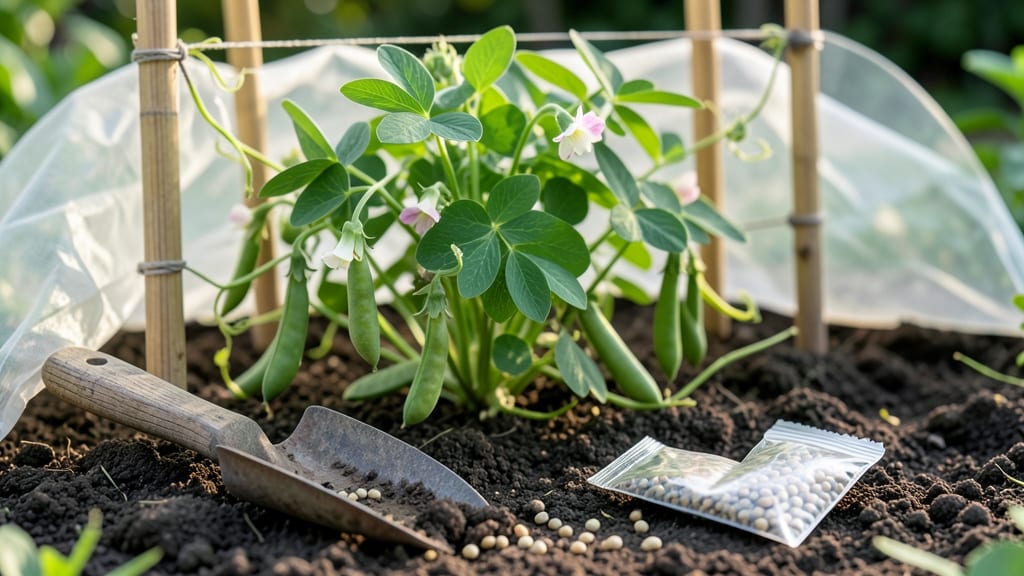
Timing your when to plant peas in New Hampshire just right means the difference between a bountiful harvest and wasted effort.
Those crisp, sweet pods are worth the effort, but NH’s fickle frost dates—especially in zones 5b-6b—can turn your garden dreams into a sad, frozen mess if you’re not careful.
Peas are one of the first cool-season crops you can plant, but rushing them too early in March or April risks losing tender seedlings to late frosts. Meanwhile, waiting too long means missing the early harvest that makes spring gardening so rewarding.
The key? Knowing your microclimate—whether you’re near the coast, inland, or in the White Mountains—can shift your planting window by weeks.
In this guide, I’ll break down the exact frost-free timeline for NH, including the best varieties for early and late planting. You’ll also learn how to extend your pea season with simple tricks, so you’re not left scrambling when the weather turns.
Let’s get those 🌱 peas in the ground the right way!
Whether you’re a first-time gardener or a seasoned pro, these insights will help you avoid common mistakes and maximize your harvest. Ready to turn your garden into a pea powerhouse? Let’s dive in.
New Hampshire pea planting calendar: frost dates by region and variety
New Hampshire’s diverse microclimates—from the milder coastal areas to the colder White Mountains—create three distinct pea planting zones. Understanding your last frost date and pea variety hardiness is key to timing your spring and fall plantings for maximum success.
Most of the state falls in USDA Zones 4b-6a, but elevation and proximity to the coast can shift frost dates by 2-4 weeks.
For spring planting, aim to sow peas 4-6 weeks before your average last frost date.
In coastal areas like Portsmouth, this often means early March to mid-April, while inland regions like Concord or the White Mountains may wait until late March to early May. Fall plantings should occur 8-10 weeks before your first frost, typically late August to mid-September for most of the state.
Pea varieties also play a role in timing. Cold-hardy varieties like 'Early Sugar Snap' or 'Lincoln' can tolerate light frosts, while southern types like 'Oregon Sugar Pod' need warmer soil. Dwarf varieties (1-2 ft tall) mature faster, making them ideal for short-season areas.
🌱
| Region | Avg. Last Frost | Spring Planting Window | Fall Planting Window | Best Varieties |
|---|---|---|---|---|
| Coastal (Portsmouth, Dover) | Early-Mid April | Early March - Mid April | Late August - Early Sept | 'Early Sugar Snap', 'Sugar Ann' |
| Inland (Concord, Manchester) | Mid-April | Late March - Early May | Mid-August - Mid-Sept | 'Lincoln', 'Green Arrow' |
| White Mountains (North Conway) | Late April - Early May | Late April - Early June | Early August - Late Sept | 'Dwarf Telephone', 'Oregon Sugar Pod' |
Soil temperature is just as critical as air temperature. Peas germinate best when soil reaches 40-50°F. Use a soil thermometer to check—if it’s colder, wait or use row covers to warm the soil faster.
In Zone 4b areas, like the White Mountains, consider starter kits with built-in heat mats for earlier plantings.
For fall plantings, focus on dwarf or semi-dwarf varieties that mature quickly before frost. 'Tom Thumb' (a dwarf shelling pea) is a great choice, as it can produce pods in just 50-60 days.
Plant in well-draining soil and use black plastic mulch to extend the season by 2-3 weeks.
Pro tip: Succession plant every 2 weeks in spring for a continuous harvest. Start with early-maturing varieties, then switch to longer-season types as temperatures rise. This ensures you don’t miss the peak 60-day harvest window for most varieties.
🌿
If you’re unsure about your local frost dates, check the NH Agricultural Experiment Station’s frost data or use the National Weather Service’s climate maps. For urban gardeners, microclimates near buildings or pavement can push frost dates back by 1-2 weeks, so observe your garden’s unique conditions.
Finally, test your soil pH before planting—peas thrive in 6.0-7.0 pH. Amend with lime if your soil is too acidic, but avoid overdoing it, as peas are light feeders and prefer moderate fertility. A compost top-dressing is often enough to get them started.
How to extend your pea season in new Hampshire’s unpredictable spring
New Hampshire’s unpredictable spring frost can cut your pea harvest short, but with the right strategies, you can extend your growing season by weeks. The key is combining cold-hardy varieties with protective techniques like frost cloths and succession planting.
These methods help you harvest peas earlier and delay fall frosts for a longer table supply.
Start by choosing early-maturing varieties like 'Green Arrow' (55 days) or 'Little Marvel' (60 days), which thrive in cooler temperatures and can handle light frosts. Pair these with late-season varieties like 'Wando' (70 days) for a staggered harvest.
This dual approach ensures you’re always eating fresh peas from June through October.
🌱
- 1. Start Indoors: Begin seeds 4-6 weeks before your last frost date (typically late February) using grow lights or a sunny windowsill. Transplant outdoors when soil reaches 40°F.
- 2. Use Frost Cloths: Protect young plants with frost cloth during late spring frosts (common in April-May). Remove when temps rise above 50°F to prevent overheating.
- 3. Succession Plant: Sow new seeds every 2 weeks from March to May for a continuous harvest. This works especially well for bush peas, which mature faster.
- 4. Try Cold Frames: Build or buy a low tunnel or cold frame to delay fall frosts by 2-3 weeks. Ideal for late-summer plantings (August) to harvest into October.
- 5. Choose Dwarf Varieties: 'Tom Thumb' (55 days) and 'Sugar Sprint' (60 days) grow well in containers or small spaces, making them perfect for balconies or greenhouses.
- 6. Mulch Heavily: Apply 2-3 inches of straw around plants to insulate soil and retain moisture. This helps roots stay warmer longer in spring and cooler in fall.
For fall plantings, aim to sow seeds 8-10 weeks before your first frost (typically late August). Use cold-tolerant varieties like 'Oregon Sugar Pod' (65 days) or 'Lincoln' (68 days), which can handle light frosts and still produce sweet pods.
Pair this with row covers to push harvests into early November.
One of my favorite tricks is planting peas near corn. The cornstalks act as natural trellises while providing shade for pea roots during hot afternoons. This combo also improves soil structure and reduces weeds, making it a win-win for NH gardeners.
Don’t forget to harvest regularly—peas produce best when picked every 2-3 days. Overripe pods lose sweetness and can stunt future production, so stay on top of it! With these strategies, you’ll enjoy homegrown peas for months, not just weeks.