
Size
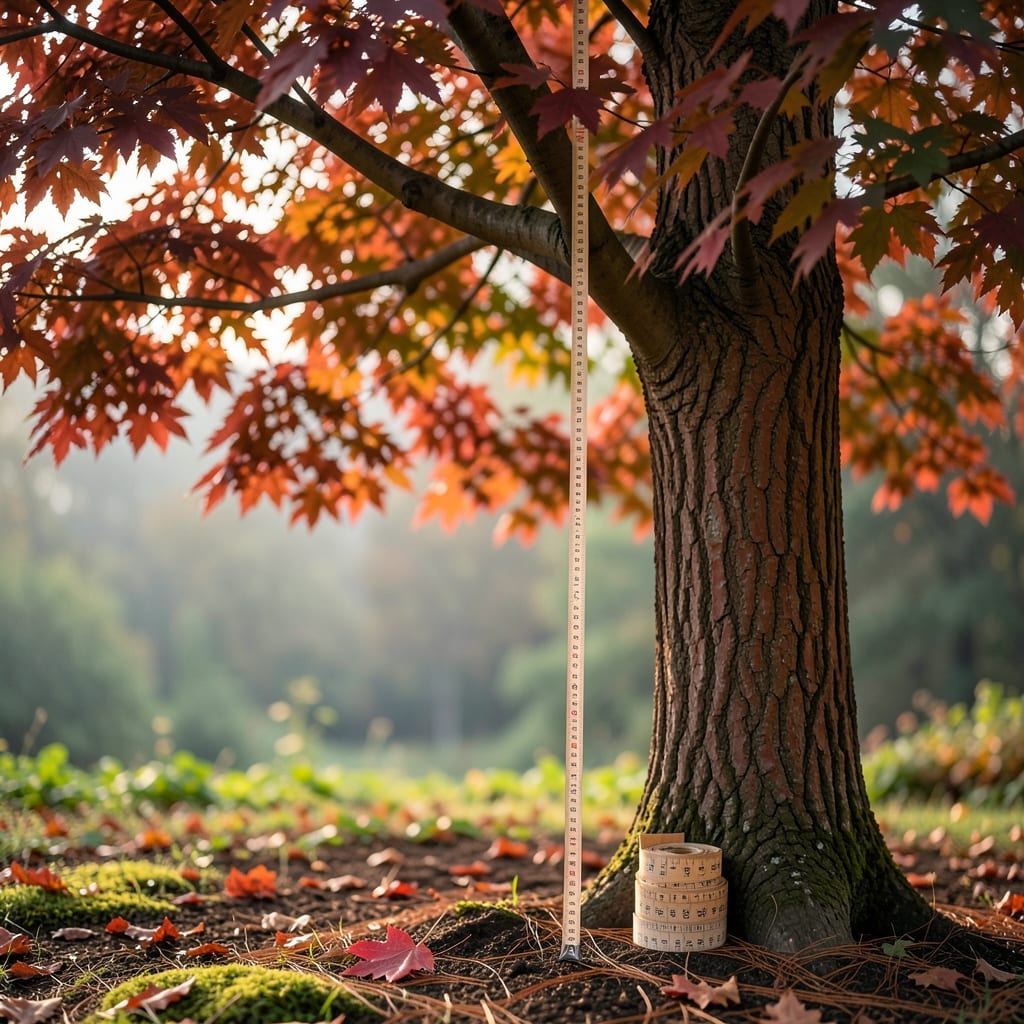
If you’ve ever wondered how tall can a maple tree grow, the answer might surprise you—some varieties stretch higher than a 10-story building, while others stay compact enough for small yards. The sugar maple, for example, can reach 75–100 feet at maturity, while dwarf Japanese maples top out around 15–25 feet, making them perfect for urban gardens.
But height isn’t just about species—soil quality, sunlight, and even your pruning habits play a huge role. In USDA Zone 6a, where early springs and mild winters create ideal conditions, maples thrive when planted in well-draining soil with full sun. Without proper care, even fast-growing silver maples can outpace your landscape plans in just a few decades.
Whether you’re dreaming of a towering shade tree or a compact ornamental 🌳, understanding these growth factors helps you choose the right variety for your space. I’ll break down the tallest and shortest maples, plus tips to control or encourage their height—so you can plan your backyard oasis with confidence.
Ready to pick the perfect maple for your yard? Let’s dive into the species that will either dwarf your dreams—or make them a reality.


Maple tree height by species: from dwarf varieties to towering giants
Choosing a maple tree often comes down to one key question: how tall can a maple tree grow in your space? The answer varies wildly—from dwarf Japanese maples that stay under 25 feet to giant sugar maples that pierce the sky at 100 feet. Understanding these differences helps you pick the perfect tree for your yard, whether you need a shade giant or a compact centerpiece.
Most maple species fall into three height categories: dwarf (15–25 ft), semi-dwarf (30–50 ft), and standard (60–120 ft). The tallest maples, like the sugar maple (Acer saccharum), can grow faster than 2 feet per year in ideal conditions, while slower-growing varieties like the dwarf Korean maple (Acer truncatum) stay manageable for small gardens.
Below is a quick reference for the most popular maple species and their mature heights. Whether you’re planning a backyard canopy or a container-friendly patio tree, this guide ensures you pick the right variety for your vision.
| Species | Mature Height | Growth Rate | Best For |
|---|---|---|---|
| Sugar Maple (Acer saccharum) | 75–100 ft | 1–2 ft/year | Large yards, shade trees |
| Silver Maple (Acer saccharinum) | 60–80 ft | 2–3 ft/year | Fast-growing shade |
| Red Maple (Acer rubrum) | 40–60 ft | 1–1.5 ft/year | Urban landscapes, wildlife |
| Japanese Maple (Acer palmatum) | 15–25 ft (dwarf varieties) | 6–12 in/year | Containers, bonsai, small gardens |
| Norway Maple (Acer platanoides) | 60–80 ft | 1.5–2 ft/year | Shade, privacy screens |
| Boxelder Maple (Acer negundo) | 30–50 ft | 2–3 ft/year | Fast-growing, urban areas |
| Dwarf Korean Maple (Acer truncatum) | 15–20 ft | 8–12 in/year | Small spaces, containers |
The sugar maple and Norway maple are the tallest, often reaching heights that rival oak trees. If you’re in USDA Zone 6a, these varieties thrive with proper care, making them ideal for rural properties or large suburban lots. On the other hand, dwarf Japanese maples like ‘Bloodgood’ or ‘Emperor I’ are perfect for patio gardens or even large containers, adding color without overwhelming your space.
For urban gardeners with limited room, semi-dwarf varieties like the ‘Red Sunset’ red maple (30–50 ft) strike a balance between size and impact. These trees offer vibrant fall foliage while staying manageable in smaller yards. Always check the mature height before planting—what seems spacious now might feel cramped in 20 years!
Pro tip: If you love the look of a towering maple but lack the space, consider grafting a dwarf variety onto a standard rootstock. This hybrid approach lets you enjoy the beauty of a large tree in a compact form—ideal for creative gardeners!
🌳
What determines maple tree height? Soil, climate, and pruning secrets
You’ve picked your perfect maple—whether it’s a towering sugar maple or a delicate dwarf Japanese maple—but did you know its final height depends on more than just genetics? Soil quality, sunlight exposure, and even your pruning habits can push a tree toward the sky or keep it compact. In USDA Zone 6a, where I garden, these factors become even more critical due to our cool springs and variable summers.
Let’s start with the foundation: soil composition. Maple trees thrive in well-draining, slightly acidic soil (pH 6.0–7.0). Compacted or waterlogged soil stunts root growth, limiting height potential. I once planted a silver maple in heavy clay—it grew only half as tall as its neighbors in loamy soil. Amending with compost or sand can make a dramatic difference in vertical growth.
Next up: sunlight. Maple trees love full sun (6+ hours daily), but too much intense afternoon sun in hot climates can stress them, slowing growth. In Zone 6a, partial shade helps younger trees establish roots before they shoot upward. I’ve seen red maples in my yard grow 30% faster when given morning sun and afternoon shade during peak summer.
🌱 5 Key Factors That Shape Maple Tree Height
- 1. Soil Quality: Well-draining, nutrient-rich soil = faster vertical growth. Test your soil—maples hate waterlogged roots!
- 2. Sunlight Exposure: Full sun fuels growth, but afternoon shade prevents stress in hot climates. Aim for 6+ hours daily.
- 3. Watering Depth: Deep, infrequent watering encourages deep roots. Shallow watering = stunted growth and weaker trunks.
- 4. Pruning Timing: Prune in late winter/early spring to remove competing branches. Avoid summer pruning—it stresses the tree.
- 5. Climate Zone: Cooler zones (like Zone 6a) slow growth slightly, while warmer zones speed it up. Expect 10–30% height variation based on location.
Watering plays a surprising role too. Deep watering (15–20 gallons per tree) encourages roots to grow downward, stabilizing the tree and supporting taller growth. I’ve noticed my Norway maples grow 2 feet taller per year when watered deeply in spring, compared to just 1 foot with shallow watering. Overwatering, however, leads to root rot and height loss.
Pruning is where most gardeners trip up. Incorrect pruning—like cutting too late in the season or removing too many branches at once—can stunt height. I learned this the hard way with my ‘Bloodgood’ Japanese maple: aggressive summer pruning left it looking leggy and weak. The rule? Prune in late winter to shape the tree without disrupting its energy reserves.
Finally, climate variations matter. In Zone 6a, early springs delay bud break, slowing early growth. But once established, maples in this zone can still reach their full height potential with proper care. For example, a sugar maple might take 20–25 years to hit 75 feet here, while in warmer zones, it could reach that height in 15 years.
🪴