
Trees
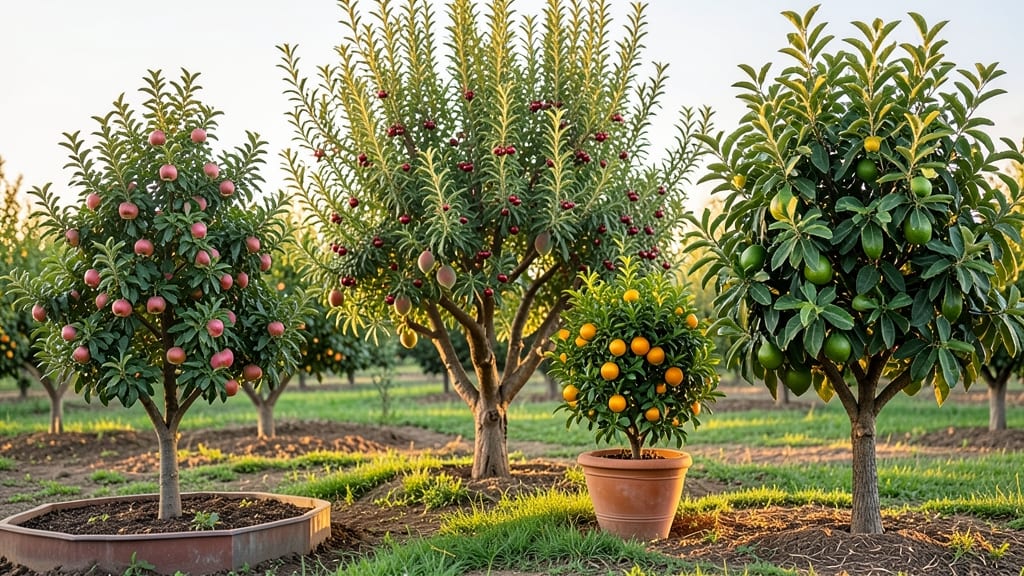
If you’ve ever dreamed of harvesting fresh fruit from your own backyard but hesitated because of space concerns, understanding how tall fruit trees grow could be your game-changer. 🍎 Some varieties stay small enough for containers, while others reach heights that dwarf even the tallest two-story homes—so choosing the right type matters more than you might think.
The good news? With the right knowledge, you can pick a fruit tree that fits your space perfectly. Whether you’re working with a tiny urban patio or a sprawling rural plot, knowing the mature height ranges of common varieties helps you avoid pruning nightmares and maximize fruit production.
Let’s break down the options so you can make the best choice for your garden.
From dwarf apple trees that top out at just 6 feet to towering citrus trees climbing over 20 feet, the differences are staggering. Some varieties even grow in columns, saving space while delivering abundant harvests.
I’ll show you how to match your space, climate, and care level to the perfect fruit tree—so you can enjoy homegrown fruit without sacrificing your yard’s layout.
Ready to transform your outdoor space into a fruitful oasis? Let’s dive into the heights, care tips, and smart strategies that’ll help you grow the ideal fruit tree for your needs—no guesswork required.


Fruit tree mature height comparison: dwarf vs semi-dwarf vs standard varieties
Choosing the right fruit tree depends heavily on your space constraints and long-term care goals. A standard apple tree can soar to 25-35 feet, while a dwarf peach tree might stay under 8 feet.
These differences aren't just about aesthetics—they impact everything from pruning frequency to fruit yield and even harvest accessibility. Let’s break down the three main categories to help you visualize which size fits your landscape.
Dwarf fruit trees are the space-saving superstars of home orchards. Growing between 6 and 12 feet, they’re ideal for containers, patios, or small backyards. Semi-dwarf varieties bridge the gap, reaching 12 to 20 feet, perfect for medium-sized yards.
Meanwhile, standard trees dominate with heights of 20 to 40+ feet, requiring ample room and professional pruning. Your choice here will dictate everything from rootstock selection to future maintenance.
Before we dive into specifics, here’s a quick visual guide to help you compare the three categories at a glance:
| Variety Type | Mature Height Range | Space Needs | Best For | Pruning Needs |
|---|---|---|---|---|
| Dwarf | 6–12 ft | Containers, small yards | Urban gardens, patios | Light (annual shaping) |
| Semi-Dwarf | 12–20 ft | Medium yards, larger containers | Suburban homes, orchards | Moderate (seasonal) |
| Standard | 20–40+ ft | Large properties, rural land | Commercial orchards, spacious gardens | Intensive (professional recommended) |
🌱 Pro Tip: Dwarf trees often require dwarfing rootstock (e.g., M.9 for apples) to stay small.
Let’s explore some of the most popular fruit trees in each category. For example, a columnar apple tree like ‘Northpole’ stays under 10 feet but produces a surprising number of apples.
On the other hand, a standard pear tree like ‘Bartlett’ can reach 30 feet or more, requiring a ladder for harvests. Citrus trees, such as dwarf Meyer lemons, rarely exceed 8 feet, making them perfect for container growing in warm climates.
Semi-dwarf varieties offer a happy medium. A semi-dwarf cherry tree like ‘Stella’ grows to about 15 feet, while a semi-dwarf plum tree might hit 18 feet. These sizes work well for homeowners who want easier maintenance without sacrificing fruit production.
They also benefit from open-center pruning, which keeps the center of the tree clear for better airflow and fruit access.
If you’re dreaming of a towering fruit tree like those in traditional orchards, standard varieties deliver. A standard peach tree can grow to 25 feet, while avocado trees in warm climates often exceed 30 feet.
These giants need full sun exposure, regular pruning, and plenty of space to avoid overcrowding. Their reward? Abundant fruit yields and a stunning focal point in your landscape.
Climate plays a surprising role in height. For instance, citrus trees in Florida stay smaller than those in California due to warmer winters, which encourage more compact growth.
Similarly, apple trees in cooler zones like USDA Zone 5 may grow slightly taller than those in Zone 8 because they focus energy on survival rather than height. Always check your local microclimate conditions when selecting varieties.
Another factor to consider is the rootstock used. Dwarfing rootstock like B.9 for apples or Citrange for citrus can reduce a tree’s height by 50% or more.
Meanwhile, seedling rootstock (used for standard trees) allows unrestricted growth. If you’re unsure, consult a local nursery expert—they can recommend rootstocks tailored to your soil and climate.
For those with limited space, espaliered fruit trees are a game-changer. By training trees to grow flat against a fence or wall, you can enjoy full-sized fruit from a tree that stays under 6 feet tall.
This technique works especially well with apples, pears, and peaches, and it’s a fantastic way to maximize small spaces without sacrificing productivity.
Remember, the height of your fruit tree isn’t set in stone. With proper pruning techniques and seasonal maintenance, you can influence its
Best low-maintenance fruit trees for small yards and containers
If you love fresh fruit but lack space for towering trees, don’t worry—there are plenty of compact fruit trees that thrive in containers or tight backyards. These low-maintenance varieties grow under 10 feet tall while still producing abundant harvests.
Whether you have a balcony or a small patio, these trees can deliver delicious fruit with minimal effort.
Look for dwarf rootstocks or columnar varieties—both are bred to stay small while maintaining productivity. For example, columnar apple trees grow just 6-8 feet tall but produce full-sized fruit. Similarly, patio peaches and dwarf citrus are perfect for containers, requiring only a few square feet of space.
🌱 Top Compact Fruit Trees for Small Spaces
- Columnar Apple – 6-8 ft, narrow shape, full sun, harvest in fall
- Patio Peach – 8-10 ft, container-friendly, blooms spring, fruit summer
- Dwarf Citrus (Lemon/Meyer) – 6-8 ft, thrives indoors/outdoors, year-round fruit
- Miniature Fig – 5-7 ft, drought-tolerant, harvests late summer
- Dwarf Cherry – 8-10 ft, sweet fruit, needs full sun
When choosing a tree, prioritize sunlight needs—most compact varieties require 6+ hours of full sun daily. For containers, use pots with drainage holes and a well-draining soil mix to prevent root rot. A 5-gallon container works for young trees, but upgrade to 15+ gallons as they mature.
Pruning is minimal for these varieties, but a light trim in late winter keeps them shaped and encourages fruit production. Avoid heavy pruning, as it can stress small trees. Instead, focus on removing dead branches and thinning crowded growth to improve airflow.
Watering is key—deep watering 2-3 times per week during dry spells keeps roots healthy. In containers, check soil moisture daily, as pots dry out faster than ground soil. Mulch around the base to retain moisture and regulate soil temperature, especially in hot climates.
With the right variety and care, even the smallest space can yield a bountiful harvest. These space-saving fruit trees prove that big flavor doesn’t require a big yard—just a little planning and love.