
Plants
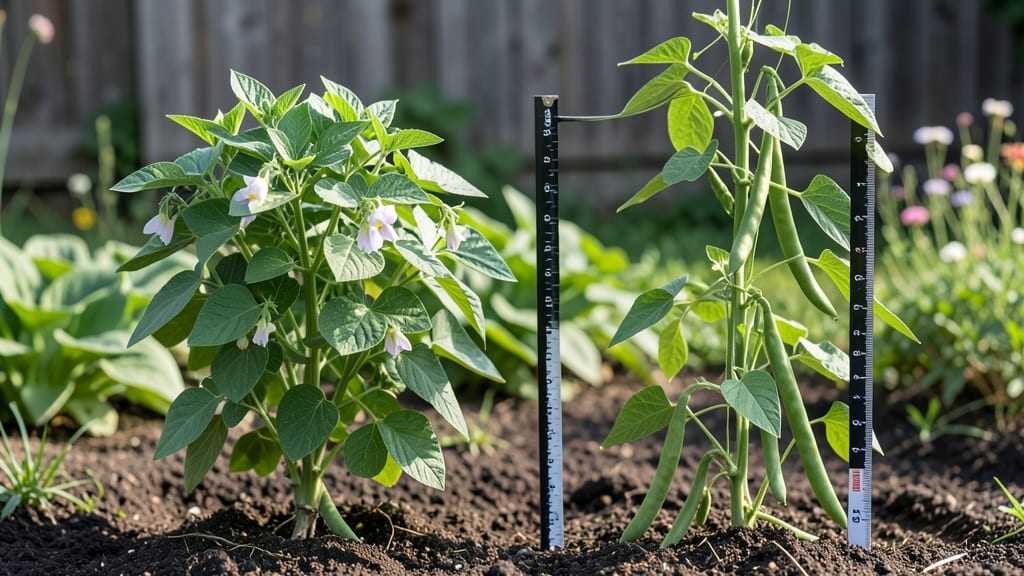
If you're planning your garden layout this spring, knowing how tall green bean plants grow could save you from a crowded, tangled mess—or help you maximize every square foot of space.
These versatile 🌱 plants come in two main types, each with drastically different height profiles that directly impact your harvest strategy.
Bush beans stay compact, typically reaching just 1 to 3 feet, making them perfect for small gardens or container growing. But if you're dreaming of a towering vertical harvest, pole beans climb 6 to 12 feet with proper support—a game-changer for vertical gardening enthusiasts.
The right choice depends on your space, time, and goals. Want fewer harvests but easier maintenance? Bush beans deliver. Craving continuous production with minimal ground space? Pole beans are your answer. I’ll break down the key differences and share pro tips to optimize your planting for maximum yield.
Whether you're a first-time gardener or a seasoned green thumb, understanding these height variations is the first step to planning a productive—and stress-free—growing season. Let’s get your beans off to the right start!


Green bean plant height comparison: pole vs bush varieties explained
Green beans come in two main height categories that dramatically impact your garden layout and harvest potential. Bush beans stay compact at 1-3 feet tall, while pole beans can climb 6-12 feet high with proper support.
Choosing between them depends on your space, time, and how you plan to use the beans in your kitchen.
The height difference isn't just about aesthetics—it affects yield potential, garden spacing, and even harvesting ease. Bush beans produce pods all along their stems, while pole beans concentrate production higher up. Let's break down the key differences so you can decide which variety fits your garden best.
Bush beans are the perfect choice for small gardens or container growing. Their 1-3 foot height makes them ideal for interplanting with other vegetables like carrots or lettuce. Since they don't require trellising, they're also great for beginner gardeners who want low-maintenance plants.
On the other hand, pole beans can reach 10-12 feet tall when given proper support like a 6-foot trellis or chicken wire fence. This vertical growth makes them perfect for space-saving gardens or urban balconies.
Their climbing habit also improves air circulation, reducing disease risk compared to bush varieties.
When planning your garden layout, remember that pole beans need sturdy support from day one. Install your trellis or poles before planting—these plants won't support themselves as they grow. For bush beans, you can simply plant them in well-draining soil with compost added for optimal growth.
One often-overlooked factor is harvesting convenience. Bush beans produce pods at eye level, making them easier to pick regularly. Pole beans, however, require sturdy ladders or stools to reach the upper pods. If you have mobility challenges, bush varieties might be the better choice for easy harvesting.
For maximum yield, consider planting both varieties in your garden. Use bush beans along garden edges or between rows of taller plants, while dedicating a vertical trellis area to pole beans. This layered approach creates a productive, space-efficient garden that maximizes your harvest potential.
Remember that soil quality and sunlight exposure also influence plant height. Green beans thrive in full sun (6+ hours daily) and well-draining soil. If your plants receive less than 5 hours of sun, they may grow 1-2 feet shorter than expected, producing smaller yields.
Whether you choose bush or pole beans, consistent watering is key to maintaining healthy growth. Aim for 1-2 inches of water per week, especially during flowering and pod development. The right height variety combined with proper care will give you a bountiful harvest all season long.
How height impacts green bean harvests: space-saving tips for small gardens
Green bean height directly affects your harvest potential, especially in small gardens. Pole beans can climb 8-12 feet tall, while bush beans stay compact at 1-3 feet.
The right choice depends on your space and goals—taller varieties produce more beans but need vertical support, while bush types thrive in tight spots with less maintenance.
For small gardens, pole beans are a game-changer. Their vertical growth frees up ground space for other crops, like radishes or lettuce, while still delivering 2-3x more beans than bush varieties.
Just ensure you have a sturdy trellis or fence to support their weight—6-8 feet tall is ideal for most pole varieties.
Here’s how to maximize your harvest in limited space:
Seasonal growth patterns also play a role. Pole beans grow fastest in warm weather (70-85°F), shooting up 1-2 feet per week once established. Bush beans, however, mature quicker—ready to harvest in just 50-60 days—making them ideal for short-season gardens.
If you’re short on space, consider succession planting bush beans every 2-3 weeks for a continuous harvest.
Don’t overlook pruning tips to manage height naturally. For pole beans, pinch off the top 2-3 inches of the main vine when it reaches your trellis height.
This encourages bushier growth and prevents the plant from becoming top-heavy. For bush beans, simply remove yellowing leaves to redirect energy to pod production.
In containers or raised beds, opt for bush varieties or dwarf pole beans like 'Kentucky Wonder' (which stays under 5 feet). Use wide, shallow containers with 12-inch diameters to accommodate multiple plants.
For pole beans, choose deep containers (18 inches deep) to support root growth and climbing.