
Plants
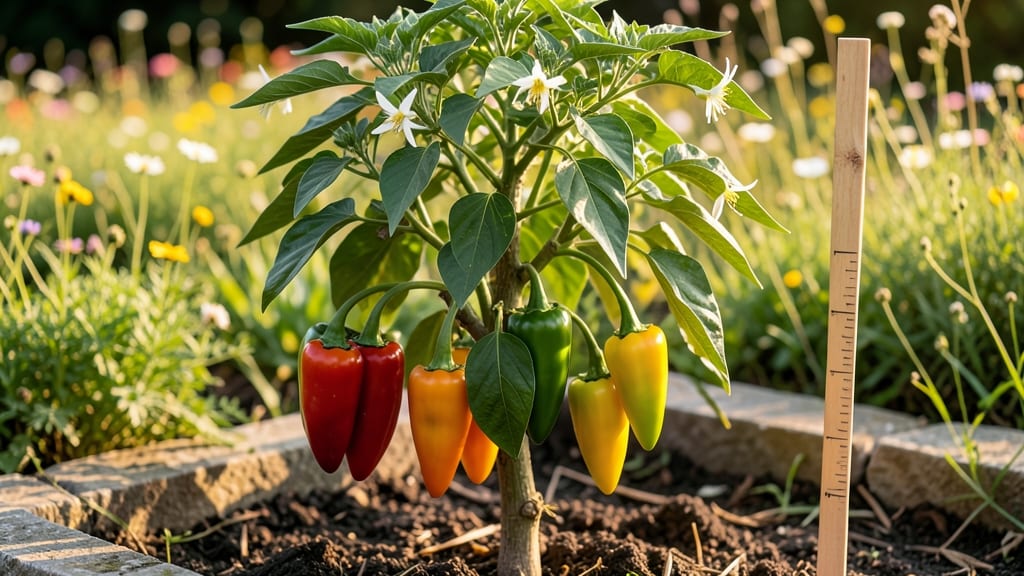
Hot pepper plant heights by variety: from compact to towering giants
Hot pepper plants vary wildly in height, from dwarf varieties that stay under 12 inches to towering giants reaching 4 feet or more. Understanding these differences helps you plan your garden layout, whether you're growing in containers, raised beds, or open soil.
The growth habit—bushy or vining—also plays a huge role in spacing needs, airflow, and even pest management.
Most common hot peppers fall into three height categories: compact (under 2 feet), medium (2-3 feet), and tall (3-4 feet). For example, jalapeños and serranos typically stay between 2-3 feet tall, while habaneros and ghost peppers can stretch toward 3-4 feet if given proper support.
Even within the same variety, height can vary based on genetics, sunlight, and pruning—so always check seed packets for specifics!
Here’s how to categorize your hot peppers by height and growth habit, along with their ideal spacing for a thriving garden:
| Variety | Height Range | Growth Habit | Ideal Spacing (In-Ground) | Container Size |
|---|---|---|---|---|
| Dwarf varieties (e.g., Mini Jalapeño, Thai Hot) | 12–18 inches | Bushy, compact | 12–18 inches apart | 5-gallon pot |
| Medium varieties (e.g., Jalapeño, Serrano, Cayenne) | 2–3 feet | Bushy to semi-vining | 18–24 inches apart | 7–10-gallon pot |
| Tall varieties (e.g., Habanero, Ghost Pepper, Scotch Bonnet) | 3–4 feet | Vining, sprawling | 24–36 inches apart | 10–15-gallon pot |
| Giant varieties (e.g., Ají Amarillo, Poblano) | 3–5 feet | Tall, bushy | 36+ inches apart | 15–20-gallon pot |
*Spacing adjusts for container growing—reduce by 25% for pots.
If you’re growing habaneros or ghost peppers, don’t be surprised if they outgrow expectations—especially in warm climates. These varieties can reach 4 feet or more if left unpruned, so plan for 3 feet of space around them.
For container growing, opt for 5-gallon pots for dwarfs and 15+ gallons for tall varieties to prevent root binding, which stunts growth and reduces yield.
One pro tip: If you’re short on space, choose bush-type varieties like mini bell peppers or dwarf jalapeños. These stay under 2 feet and produce abundantly in containers.
For vining types, use trellises or cages to save space while improving airflow—critical for preventing fungal diseases like powdery mildew.
For adventurous growers, consider lesser-known varieties like Ají Charapita (3–4 feet) or 7-Pot Pepper (2–3 feet), which offer unique flavors and heights. Always research seed sources for accurate height predictions, as even heirloom varieties can vary.
And remember: pruning can control height—pinch back top growth to encourage bushier, more manageable plants.
Whether you’re growing for heat lovers or mild spice enthusiasts, knowing your pepper’s mature height ensures you maximize space and yield without sacrificing plant health. Next, we’ll dive into spacing strategies to keep your peppers thriving—no matter their size!
How to adjust spacing for maximum yield without sacrificing health
Proper spacing is the foundation of healthy hot pepper plants—crowding them too closely can stunt growth, spread diseases, and reduce your harvest. While some varieties like jalapeños thrive in tight quarters, others like habaneros need room to breathe.
The key is matching your spacing to the plant's mature height and growth habit, whether it's a compact bush or a sprawling vine.
For most hot pepper varieties, aim for 18-24 inches apart in garden beds, but adjust based on sunlight exposure. In full sun, plants grow taller and need more space, while partial shade allows for tighter spacing.
Containers are a game-changer for small spaces—just ensure each plant has at least a 5-gallon pot to prevent root competition.
Spacing Guide for Hot Peppers
| Variety | Growth Habit | Ideal Spacing (inches) | Container Size |
|---|---|---|---|
| Jalapeño | Bushy | 18-24" | 5-gallon pot |
| Habanero | Compact | 24-30" | 7-gallon pot |
| Ghost Pepper | Vining | 30-36" | 10-gallon pot |
If you're growing vining varieties like ghost peppers, trellising is a must. Train them to climb a sturdy trellis or cage to save space and improve airflow, which cuts down on fungal diseases like powdery mildew.
For bushy types, prune side shoots to encourage upward growth and prevent overcrowding. Always remove leaves touching the soil to reduce rot risks.
Overcrowding isn’t just about height—it also affects fruit production. Plants forced into tight spaces divert energy to survival instead of flowering and fruiting. I’ve seen jalapeño plants in crowded beds produce only half the yield of properly spaced ones.
To fix overcrowding, thin seedlings early or transplant extras to a separate container before they compete for resources.
For container gardening, prioritize depth over width—hot peppers have deep roots. Use lightweight potting mix with perlite to prevent compaction, and place containers where they’ll get at least 6 hours of sunlight daily.
If your balcony or patio gets afternoon shade, opt for shorter varieties like mini bell peppers or shishito peppers, which max out at 2-3 feet tall.
Finally, monitor your plants weekly for signs of stress—yellowing leaves, stunted growth, or excessive leaf drop. These are red flags for poor spacing or nutrient deficiencies. Adjust pruning or thinning as needed, and always harvest peppers regularly to encourage more production.
With the right spacing, your hot peppers will reward you with bountiful, healthy yields all season long. 🌱