
Trees
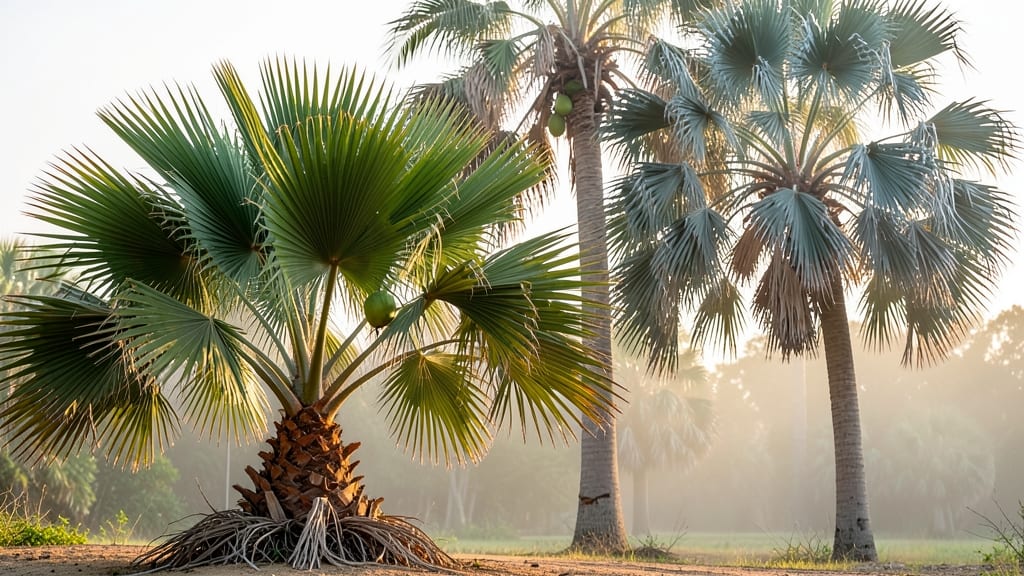
If you’ve ever wondered how tall do palm trees grow in Florida, the answer might surprise you—some tower over three stories, while others stay perfectly patio-sized. Florida’s frost-free climate turns these tropical icons into fast-growing giants, but their eventual height depends on the species you choose.
Picture this: A Sabal palmetto 🌴 reaching 30–40 feet in your backyard, while a dwarf pygmy date palm stays cozy at just 6–12 feet. The difference isn’t just aesthetics—it’s about spacing, sunlight, and even HOA rules.
Whether you’re landscaping a coastal mansion or a small urban lot, knowing these heights helps you avoid costly mistakes.
But here’s the catch: Growth rates vary wildly. A Royal palm can shoot up 2–3 feet per year, while a California fan palm might barely budge. Soil, water, and even your ZIP code (Miami vs. Orlando) play a role.
I’ll break down the fastest growers, slowpokes, and everything in between—so you can pick the perfect palm for your space.
Ready to transform your yard? Let’s dive into the species-specific heights, spacing tips, and care tricks that’ll keep your palms thriving—without turning your driveway into a jungle. You’ll leave here knowing exactly which palm fits your vision (and your property lines!).


Florida palm tree height guide by species: from dwarfs to giants
Florida’s palm trees come in all shapes and sizes, from towering coconut palms that reach skyscraper heights to compact dwarf varieties perfect for patios. Understanding these height variations helps you choose the right species for your space, whether you’re landscaping a coastal property or a small urban yard.
Below, I’ll break down the mature heights of 12+ popular Florida palms, including their growth rates and ideal spacing.
For example, the Sabal palmetto, Florida’s state tree, typically grows 20–40 feet tall with a 15–20 foot spread, making it ideal for larger yards. On the other hand, the Pygmy date palm maxes out at just 6–12 feet, perfect for containers or small gardens.
These differences matter when planning for future growth and avoiding conflicts with power lines or neighboring properties.
Here’s a quick reference for the most common palm species in Florida, including their mature heights, growth rates, and space requirements. This summary table will help you visualize which palms fit your landscape best.
The Royal palm and coconut palm are the tallest species in Florida, often requiring commercial or rural properties due to their 60–120 foot mature heights.
If you’re in an urban area or have HOA restrictions, opt for smaller varieties like the Pygmy date palm or dwarf palmetto, which stay under 12 feet tall. Even these smaller palms can grow quickly, so always check local planting ordinances before committing.
Another key factor is growth rate. Fast-growing palms like the Mexican fan palm can add 2–3 feet per year, while slower growers like the California fan palm might only gain 1 foot annually.
This affects how quickly your palm will reach its mature height and when you’ll need to prune or thin out fronds. For example, a Royal palm could reach 50 feet in just 20 years if conditions are ideal.
For coastal landscapes, the coconut palm is a top choice, but its rapid growth means you’ll need to plan for power line clearance early.
In contrast, the Sabal palmetto is more adaptable to inland climates and grows at a steadier pace, making it easier to manage in residential yards. Always consider your local microclimate—palms in Miami’s humid heat may grow faster than those in Orlando’s slightly cooler summers.
If you’re unsure which palm to choose, start by measuring your available space and checking your property’s height restrictions. For small yards or patios, dwarf varieties like the Chinese fan palm or Bismarck palm (both under 15 feet tall) are excellent options.
For larger properties, the Sabal palmetto or Thatch palm offer a bold tropical look without overwhelming your landscape.
Pro tip: Always plant palms at least 10 feet away from power lines, even if their mature height seems safe. Unexpected growth spurts or storms can push branches into wires, creating hazards. When in doubt, consult your local utility company for setback requirements.
Finally, remember that proper spacing isn’t just about height—it’s also about canopy spread. A Royal palm might only reach 60 feet tall, but its fronds can spread 20 feet wide, so give it room to thrive without crowding other plants.
With the right species and spacing, your Florida palm will thrive for decades, adding year-round greenery to your landscape.
Now that you know the height ranges, let’s explore how growth rates vary by species—and which palms grow fastest in Florida’s climate. 🌴
Fastest-growing vs. slowest-growing palm trees in Florida
Not all palm trees grow at the same pace in Florida’s warm climate. Some species shoot up 2-3 feet per year, while others take decades to reach maturity.
Understanding these growth rates helps you plan for landscaping timelines and space management—whether you’re planting for quick shade or long-term curb appeal.
For example, the Mexican fan palm is one of Florida’s fastest growers, adding 2-3 feet annually in ideal conditions. This means a 10-foot palm at planting can reach 20-30 feet in just 10 years.
Meanwhile, the California fan palm grows a mere 6-12 inches per year, making it a patience-tester for gardeners eager for instant height.
Climate zones also play a role. In Miami’s Zone 10B, palms like the coconut palm thrive year-round, while in Orlando’s Zone 9B, cooler winters can slow growth for tropical species.
Planting in spring (March-May) gives palms a head start before summer heat, while fall planting (September-November) avoids winter stress in northern Florida.
🌱 Palm Tree Growth Rate Comparison
If you’re in a hurry, opt for dwarf varieties like the Pygmy date palm, which maxes out at 6-12 feet but grows 1-2 feet per year. For coastal properties, the coconut palm can add 3-5 feet annually, but its 100-foot potential demands careful spacing.
Always check local HOA height restrictions—some limit palms to 30 feet or less.
Pro tip: Deep watering (15-30 gallons weekly) and palm-specific fertilizer (8-2-12 NPK) can boost growth by 30-50% in young palms. Avoid over-fertilizing, though—it can burn roots and stunt growth. For slow growers, mulching with organic matter retains moisture and encourages root expansion.
Whether you’re after quick shade or a lifetime investment, matching your palm to your timeline—and your yard’s size—is key. Fast growers like the Mexican fan palm are perfect for urban lots, while slow growers like the Sabal palm (1-2 ft/year) suit rural landscapes where patience pays off.