
How To
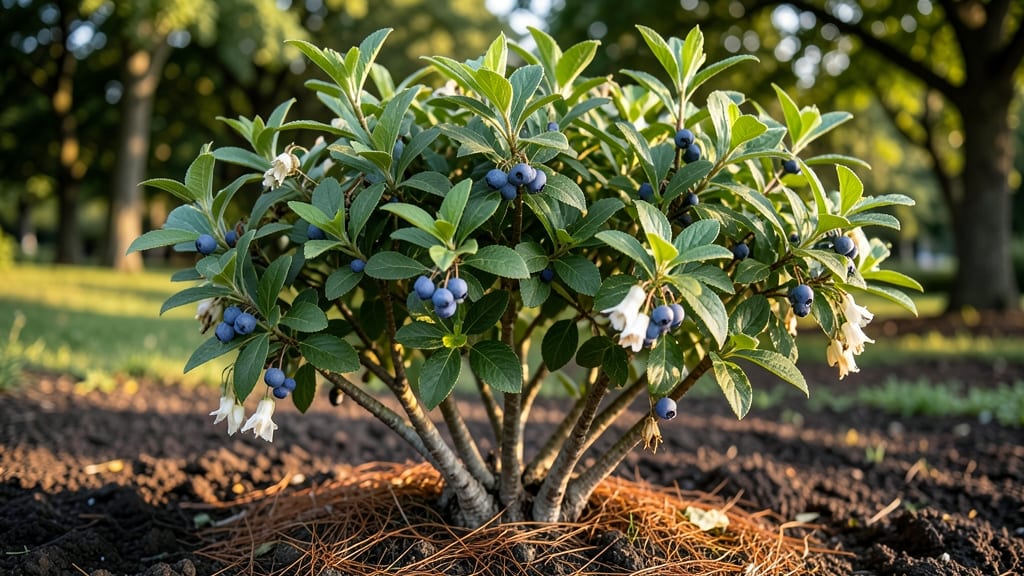
If you’re wondering "how tall does a blueberry bush grow", the answer might surprise you—because your garden’s layout depends entirely on the variety you choose.
A standard Blueberry Bush 🫐 can tower up to 12 feet, dwarfing even the tallest gardeners, while compact types like 'Top Hat' stay neatly under 3 feet. That means whether you’re working with a cozy balcony or a sprawling backyard, there’s a perfect fit for your space.
The right choice isn’t just about height—it’s about how that growth affects your harvest and maintenance. Taller varieties need more room to breathe and pruning to keep them manageable, while dwarf bushes fit snugly in containers or tight garden beds.
Imagine plucking ripe berries without bending over or wrestling with unruly branches—sounds like a game-changer, right?
Let’s break down the key differences between dwarf, semi-dwarf, and standard blueberry bushes so you can pick the one that works for your garden’s size and style. You’ll also discover pruning secrets to control growth naturally, ensuring your Blueberry Bush 🫐 stays productive without taking over your yard.
From the compact 'Peach Sorbet' to the robust 'Tifblue,' we’ll cover the best varieties for small spaces and how to keep them thriving. Ready to transform your garden into a berry-picking paradise? Let’s get started.


Blueberry bush height by variety: dwarf to giant sizes explained
Blueberry bushes aren’t one-size-fits-all—some stay as short as a dwarf tomato plant, while others tower like small trees. The height of your bush depends entirely on its variety and genetics, so choosing the right one for your space is critical.
Whether you have a tiny balcony or a sprawling backyard, there’s a blueberry bush perfect for your needs.
Standard northern highbush varieties, like 'Duke' or 'Bluecrop', can reach 6 to 12 feet tall at maturity, making them ideal for rural gardens or large landscapes.
Meanwhile, dwarf varieties like 'Top Hat' or 'Peach Sorbet' max out at just 2 to 4 feet, perfect for containers or urban gardens.
Rabbit-eye varieties, such as 'Climax' or 'Powderblue', often grow even taller—up to 15 feet—but they’re prized for their large, sweet berries and heat tolerance.
Lowbush varieties, like 'Patriot', stay under 2 feet and thrive in cooler climates, making them a great choice for northern gardeners with limited space.
Here’s the key takeaway: Genetics dictate height, but your pruning habits can influence how bushy or leggy your plant grows. For example, a 6-foot standard bush can be pruned to stay at 4 feet without sacrificing yield—more on that later!
| Variety Type | Mature Height | Best For | Notes |
|---|---|---|---|
| Northern Highbush | 6–12 ft | Large gardens, rural areas | Classic varieties like 'Bluecrop'; needs space |
| Dwarf (e.g., 'Top Hat') | 2–4 ft | Containers, balconies, small yards | Compact, high-yielding, ideal for urban gardens |
| Rabbit-Eye (e.g., 'Climax') | 10–15 ft | Southern climates, large landscapes | Heat-tolerant, large berries, needs support |
| Lowbush (e.g., 'Patriot') | 1–2 ft | Northern climates, wild harvests | Cold-hardy, low-maintenance, small berries |
| Semi-Dwarf (e.g., 'Pink Lemonade') | 4–6 ft | Small yards, mixed borders | Balanced size, great for hedging |
If you’re planning your garden layout, consider spacing requirements too. A 12-foot rabbiteye bush needs at least 8 feet of clearance on all sides, while a 3-foot dwarf can thrive in a 5-gallon container with proper care.
Always check the specific variety’s tags for exact spacing—it’s the best way to avoid overcrowding.
Another factor to consider is growth rate. In their first year, blueberry bushes grow slowly—just 1 to 2 feet. By year two, they’ll double in height (3 to 4 feet), and by year three, they’ll reach half their mature height.
This gradual growth means you’ll have years to adjust your garden plan if needed.
For container gardening, choose dwarf or semi-dwarf varieties and ensure your pot is at least 18 inches deep with drainage holes. Smaller pots will stunt root growth, leading to smaller bushes and lower yields.
Pro tip: Use a self-watering container to maintain consistent moisture, which is crucial for berry development.
If you’re pruning for height control, focus on removing leggy growth in late winter or early spring. This encourages bushier, more productive growth while keeping the plant at your desired height. We’ll dive deeper into pruning techniques in the next section—stay tuned!
Remember, the healthier your bush, the more compact and productive it will be. Start with the right variety for your space, give it well-draining, acidic soil, and watch it thrive—no matter your garden’s size!
Blueberry bush height by variety: dwarf to giant sizes explained
Blueberry bushes aren’t one-size-fits-all—some stay as compact as a patio chair while others tower like small trees. The mature height of a blueberry bush depends entirely on its variety and genetics, not just your care routine.
For example, a standard northern highbush can reach 6-12 feet, while a dwarf variety like 'Top Hat' maxes out at 2-3 feet. This variety matters because it directly impacts your garden layout, pruning needs, and even harvest ease.
Understanding these differences helps you choose the perfect fit for your space—whether you’re working with a backyard plot, a container garden, or even a balcony planter.
For instance, rabbiteye blueberries (common in the South) often grow 8-12 feet tall, while lowbush varieties (like 'Patriot') stay under 2 feet. The key is matching the bush’s natural growth habit to your available room.
🌱
| Variety Type | Mature Height Range | Best For | Spacing Needs |
|---|---|---|---|
| Dwarf (e.g., 'Top Hat') | 2–4 ft | Containers, small gardens | 3–4 ft apart |
| Semi-Dwarf (e.g., 'Peach Sorbet') | 4–6 ft | Urban yards, raised beds | 5–6 ft apart |
| Standard (e.g., 'Duke') | 6–12 ft | Large gardens, hedges | 8–10 ft apart |
| Rabbiteye (e.g., 'Climax') | 8–12 ft | Southern climates, rural areas | 10–12 ft apart |
| Lowbush (e.g., 'Patriot') | 1–2 ft | Wild harvesting, ground cover | 2–3 ft apart |
If you’re planning a blueberry hedge or a fruit border, standard varieties like 'Duke' or 'Bluecrop' will give you that classic 6-10 foot look—but they’ll need regular pruning to keep them manageable.
On the flip side, dwarf varieties like 'Sunshine Blue' or 'Pink Lemonade' (a compact everbearing type) are perfect for container growing or tight spaces. Their 2-3 foot height makes them ideal for balcony gardens or even window boxes with deep enough pots.
Pro tip: Everbearing varieties (like 'Top Hat') often stay smaller but produce two harvests per year—one in early summer and another in fall. This trade-off makes them a favorite for small-space gardeners who want year-round productivity.
Just remember, even dwarf bushes need proper spacing (at least 3 feet) to avoid competition for nutrients and sunlight.
For first-time growers, I recommend starting with a semi-dwarf variety like 'Peach Sorbet'—it’s 4-6 feet tall at maturity, fits well in most backyards, and produces sweet, flavorful berries without requiring a full-size orchard. Plus, its spreading habit makes it easier to prune into a neat, manicured shape.
🪴