
How To
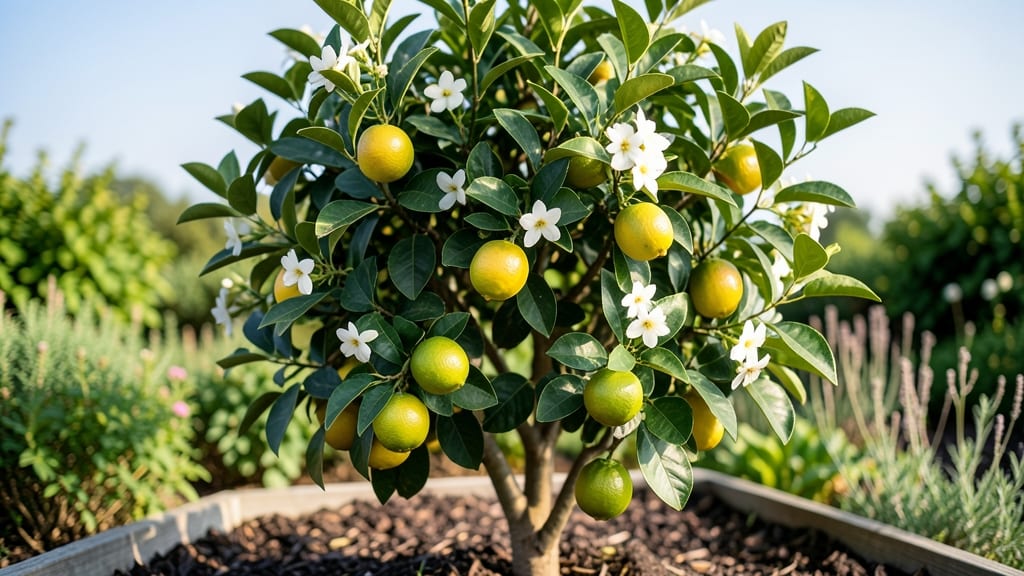
If you're wondering how tall does a Meyer lemon tree grow, you're in the right place—because this citrus beauty can be either a space-hogging giant or a compact patio star, depending on how you care for it.
The truth is, a standard Meyer lemon tree 🍋 can reach 10 to 12 feet tall outdoors in ideal conditions, but indoors, it often stays between 6 to 8 feet with proper pruning.
That means whether you're dreaming of a backyard citrus tree or a windowsill-sized lemon producer, there's a size that fits your space.
What most people don't realize is that dwarf varieties—like the popular 'Improved Meyer'—stay under 6 feet tall, making them perfect for containers or small gardens. The key to controlling height lies in pruning, sunlight, and even the pot size you choose.
Let me show you exactly how to manage your Meyer lemon tree's growth, whether you want it to stretch toward the sky or stay cozy on your kitchen counter. You'll learn the secrets to keeping it at your desired height without sacrificing those sweet, juicy lemons.


Standard Meyer lemon tree height: what to expect over time
If you're planting a standard Meyer lemon tree, expect it to grow between 6 to 12 feet tall at maturity, depending on growing conditions. These trees are vigorous and can even reach 15 feet outdoors in ideal climates with plenty of space.
The growth rate varies yearly, but understanding these milestones will help you plan your garden layout or container size.
In their first year, a Meyer lemon tree typically grows 1 to 3 feet tall, with indoor trees on the shorter end and outdoor trees reaching closer to 3 feet. By year two, they can double in height, hitting 3 to 5 feet.
This rapid growth continues, and by year three, your tree may stand 5 to 8 feet tall—ready to produce its first lemons if given proper care.
Here’s how your Meyer lemon tree might grow over time, assuming optimal conditions like full sun exposure, well-draining soil, and regular pruning:
| Growth Stage | Height Range (Indoor) | Height Range (Outdoor) | Key Notes |
|---|---|---|---|
| Year 1 | 1–2 ft | 2–3 ft | Slow growth; focus on root establishment. |
| Year 2 | 3–5 ft | 4–6 ft | Rapid vertical growth; prune to shape. |
| Year 3+ | 5–8 ft | 6–10 ft | Mature height; fruit production begins. |
| Mature (5+ years) | 6–12 ft | 10–15 ft | Full canopy; requires pruning for height control. |
The climate plays a huge role in how tall your Meyer lemon tree grows. In USDA Zones 9b-11, outdoor trees thrive year-round and can grow taller due to consistent warmth.
However, if you're growing indoors or in cooler zones, expect slower growth and a more compact height—unless you provide grow lights and ideal conditions.
Another factor is pruning. Regular pruning not only keeps your tree manageable but also encourages fruit production. Without pruning, a Meyer lemon tree can become leggy and overgrown, reaching its maximum height faster.
I recommend pruning in late winter or early spring to remove dead or overcrowded branches while shaping the tree.
Soil quality also impacts height. Well-draining, slightly acidic soil (pH 6.0–7.0) with plenty of organic matter helps your tree grow strong and healthy. If your soil is poor, consider amending it with compost or using a high-quality potting mix for container-grown trees.
This ensures your tree allocates energy to growth rather than struggling to survive.
Finally, watering habits matter. Overwatering can stunt growth, while underwatering stresses the tree, both of which affect height. Aim for deep, infrequent watering—especially in containers—to encourage strong root development.
A mature Meyer lemon tree in the ground may need 1–2 gallons of water every 3–5 days during hot months, while potted trees require less but more frequent watering.
If you're growing your Meyer lemon tree indoors, height can be managed more easily with container size. A smaller pot will naturally restrict growth, while a larger container (like a 15–20 gallon pot) gives the tree room to grow taller.
Just ensure the pot has drainage holes to prevent root rot—a common issue with citrus trees.
For those in small spaces, consider training your tree against a trellis or wall. This not only saves space but also makes harvesting lemons easier. With the right care, your Meyer lemon tree can thrive at any height—whether you want a towering outdoor specimen or a compact indoor companion.
Standard Meyer lemon tree height: what to expect over time
A standard Meyer lemon tree grows into a medium-sized evergreen tree, typically reaching heights between 6 to 12 feet at maturity. If grown outdoors in ideal conditions—like USDA Zones 9b-11—these trees can even stretch up to 15 feet with proper care and space.
Their height depends heavily on climate, pruning habits, and soil quality, so your local growing conditions play a big role in how tall your tree becomes.
In their first year, Meyer lemon trees grow slowly, reaching just 1 to 2 feet indoors or 2 to 3 feet outdoors. By year two, they can double in height, hitting 3 to 5 feet indoors or 4 to 6 feet outdoors.
The real growth spurt happens in years three to five, where they can add 3 to 5 feet per year if given full sun and consistent care. Without pruning, a standard Meyer lemon tree will naturally grow taller, but regular maintenance keeps it manageable.
| Stage | Indoor Height (ft) | Outdoor Height (ft) | Key Factors |
|---|---|---|---|
| Year 1 | 1-2 ft | 2-3 ft | Slow growth; needs full sun |
| Year 2 | 3-5 ft | 4-6 ft | Prune to encourage branching |
| Year 3+ | 5-8 ft | 6-12 ft | Full maturity; prune annually |
Outdoor Meyer lemon trees thrive in warm climates with well-draining soil and full sun exposure. In these conditions, they can grow faster and taller, often reaching their mature height by year five.
However, if you're growing yours indoors near a south-facing window, expect slightly slower growth due to limited sunlight. Even with less height, indoor trees can still produce abundant lemons if given proper care and a grow light supplement during shorter winter days.
One of the biggest factors affecting height is pruning. Regular pruning not only keeps your tree at a manageable size but also encourages fruit production and healthier growth.
Without pruning, a Meyer lemon tree can become leggy and overgrown, reaching heights that may be difficult to manage in a home garden. If you're short on space, consider pruning in late winter or early spring to shape the tree and control its height while promoting new growth.
Another key consideration is the container size if you're growing your Meyer lemon tree in a pot. Smaller pots restrict root growth, which can limit the tree's height.
For optimal growth, use a container that's at least 12 to 18 inches in diameter and deep enough to accommodate the root system. Larger pots allow the tree to grow taller while also providing better stability, especially in outdoor settings where wind can be a factor.
If you're planning to grow a Meyer lemon tree outdoors,