
Size
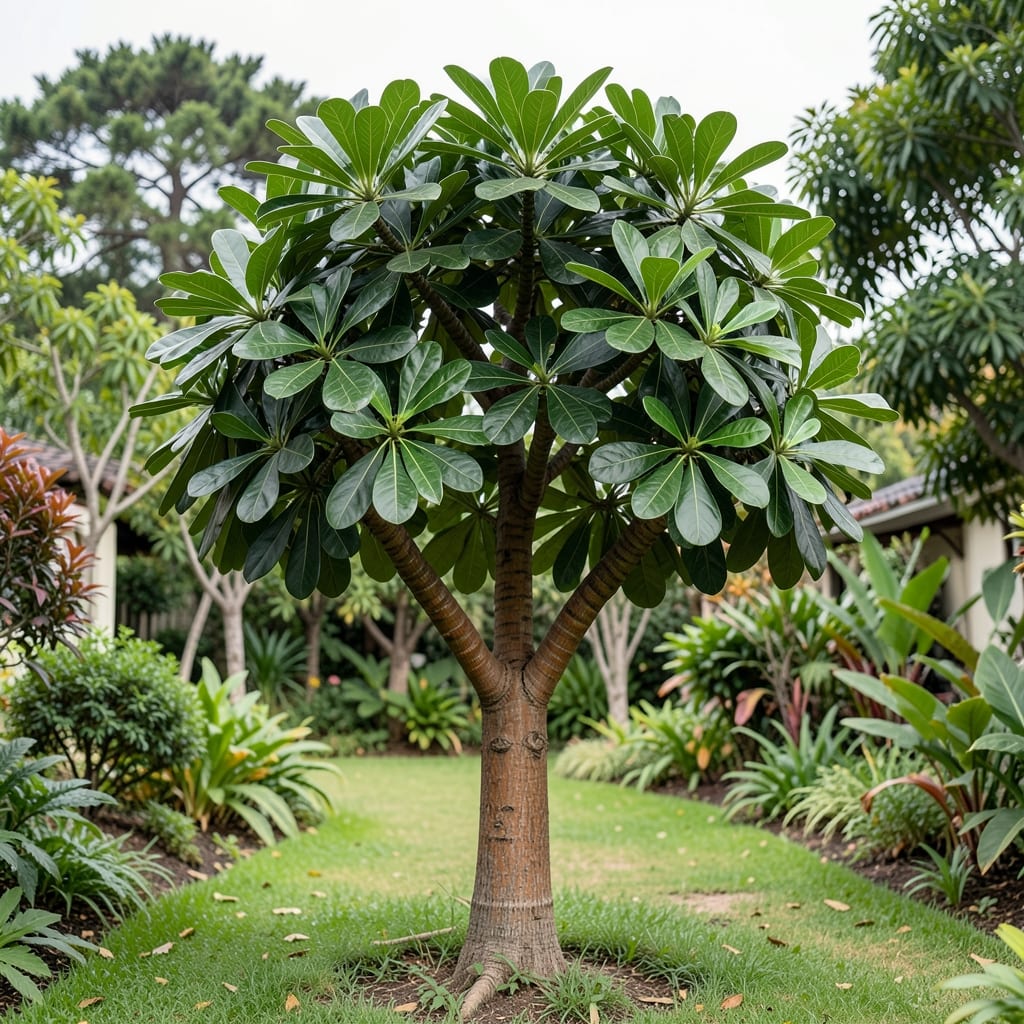
Wondering how tall can a money tree grow indoors before it becomes a ceiling hazard? The answer might surprise you—this tropical beauty can stretch from a 3-foot tabletop buddy to a towering 10-foot statement piece, all while thriving in your living room.
Your Money Tree 🌿 isn’t just a decorative accent; it’s a living canvas shaped by your care choices. Too much light? It’ll shoot upward like a skyscraper. Pinch those top leaves? Suddenly, you’ve got a bushy, controlled shrub. The key lies in understanding how light, pot size, and pruning work together to either let it reach for the sky or keep it compact.
Let’s cut through the guesswork. Whether you’re aiming for a 5-foot bonsai-style Money Tree or letting it grow wild like a jungle giant, I’ll show you exactly how to control its height—plus the 3 biggest mistakes that make Money Trees grow out of control.
Ready to turn your Money Tree from a wildcard into a perfectly sized centerpiece? Let’s dive into the science (and secrets) behind its growth—so you can enjoy its lush branches without the ceiling drama.

Money Tree height limits indoors: what determines growth size?
The Money Tree (Pachira aquatica) is a growth chameleon—capable of stretching from a 3-foot tabletop plant to a towering 10-foot indoor giant, depending on your care choices. Unlike its outdoor tropical cousins, which can reach 50+ feet in the wild, indoor Money Trees grow much slower but still have enormous potential if left unchecked.
Your Money Tree’s height isn’t set in stone—it’s a direct result of 3 key factors: light exposure, pot size, and pruning habits. Too much light? Expect a skyward reach. Too small a pot? Roots will circle, stunting growth. Skip pruning? You’ll end up with a lanky stalk instead of a bushy shrub. Let’s break down how each factor plays a role in shaping your plant’s future height.
First, the species matters. Most indoor Money Trees are Pachira aquatica, but some gardeners confuse it with the Brachychiton populneum (a different "Money Tree" with faster growth). Pachira stays compact indoors, while Brachychiton can bolt upward like a weed if given the chance. Always check your plant’s botanical name—it’s your first clue to growth expectations.
Now, let’s talk natural height ranges. Without intervention, a Money Tree can grow 6–10 feet tall indoors over 5–10 years, but most homeowners keep theirs between 3–6 feet through pruning. The trick? Understanding that height isn’t inevitable—it’s a choice you make every time you adjust light, repot, or snip those stems.
| Factor | Effect on Height | How to Control It |
|---|---|---|
| Light Exposure | More light = taller growth (stretching toward light) | Use east/north windows or grow lights |
| Pot Size | Smaller pot = slower growth (root-bound stress) | Repot every 2–3 years or use root pruning |
| Pruning | No pruning = leggy, tall growth; heavy pruning = bushy, compact | Pinch tips or cut 1/3 of stem in spring |
| Fertilizer | Over-fertilizing = rapid vertical growth | Use balanced 10-10-10 sparingly (spring-summer) |
Here’s the hard truth: Most Money Trees indoors hit a growth plateau between 4–6 feet unless you actively encourage taller growth. This happens because indoor environments lack the nutrients and space of outdoor conditions. But don’t mistake this for a limitation—it’s your opportunity to shape the plant to fit your space.
For example, if you want a dwarf Money Tree (3–5 feet), focus on heavy pruning and low-light conditions. Aim for a floor-filling giant? Give it bright indirect light, a large pot, and minimal pruning. The choice is yours—but remember, light is the #1 height controller. A Money Tree in a south-facing window will grow 2–3x faster than one in a dim corner.
Let’s debunk a common myth: "Money Trees grow tall because they’re old." Not true! A 5-year-old Money Tree can stay 3 feet tall with proper care, while a 1-year-old can shoot up to 4 feet if given too much light and fertilizer. Age isn’t the driver—your care choices are. Think of your Money Tree like a living sculpture: every decision you make (light, pruning, pot size) is a brushstroke shaping its final form.
Pro tip: If you’re new to Money Trees, start with a 6-inch pot and moderate light to keep early growth manageable. Once you understand how it responds to your care, you can experiment with taller or bushier styles. The key is patience—rushing growth with too much light or fertilizer often leads to weak, leggy stems that snap under their own weight.
Ready to take control? In the next section, I’ll show you exactly how to prune, adjust light, and choose pots to grow a Money Tree at any height—from a desk buddy to a ceiling brush. Let’s get growing! 🌿
How to control Money Tree height: pruning, light, and soil hacks
Want to keep your Money Tree compact or let it grow wild? The secret lies in 3 power moves: pruning, light control, and pot management. Unlike outdoor plants, indoor Money Trees respond dramatically to these tweaks—so you’re not stuck with a lanky stalk or a ceiling-crashing giant. Let’s start with the most effective tool: pruning.
Pruning isn’t just about cutting branches—it’s about redirecting growth. Money Trees grow from buds along their stems, so every snip you make encourages new branches to form. For a bushier, shorter plant, focus on pinching the tips of new growth in spring. This triggers the plant to branch out instead of shooting upward. Pro tip: Use clean, sharp scissors and cut just above a leaf node (the bump where leaves grow) to avoid leaving stubs.
🌿 Step-by-Step Pruning Guide for Height Control
- Step 1: Choose Your Goal
- Dwarf (3-5 ft): Heavy pruning + low light
- Standard (5-7 ft): Moderate pruning + bright indirect light
- Tall (8-10 ft): Minimal pruning + large pot
- Step 2: Prune in Spring
- Trim 1/3 of the stem just above a leaf node
- Avoid cutting into woody stems—focus on soft new growth
- Step 3: Pinch Tips Regularly
- Use fingers to pinch off the last 1/4 inch of new growth
- Do this every 2-3 months for bushier growth
- Step 4: Shape as You Go
- Remove long, leggy stems to encourage fullness
- Avoid over-pruning—never cut more than 1/3 at once
- Step 5: Repot After Pruning
- Move to a slightly larger pot (1-2 inches wider)
- Use well-draining soil to prevent root rot
💡 Remember: Pruning stimulates growth—so feed lightly after pruning to support new branches!
Light is your second weapon in height control. Money Trees stretch toward light, so their height is directly tied to how much (and what kind of) light they receive. Place your plant near an east or north window for slow, controlled growth. If you want a taller Money Tree, move it to a south-facing window (but watch for leaf scorch in afternoon sun). For compact growth, reduce light to 4-6 hours of indirect light daily—this slows vertical growth and encourages bushiness.
Don’t overlook the pot size—it’s a hidden growth regulator. Money Trees in small pots grow slower because their roots become root-bound, triggering stress that stunts height. If you want a taller plant, upgrade to a large pot (12+ inches) every 2-3 years. For a shorter Money Tree, keep it in a 6-inch pot and avoid repotting for longer periods. Just be careful: over-potting can lead to root rot in humid indoor conditions.
Soil and fertilizer play a surprising role too. Money Trees thrive in well-draining, slightly acidic soil (pH 6.0-7.0). If your soil is too rich, your plant will focus on vertical growth instead of bushiness. Use a balanced 10-10-10 fertilizer sparingly—over-fertilizing leads to weak, leggy stems. Feed only during spring and summer, and always water thoroughly after fertilizing to flush out excess salts.
Here’s a quick fix if your Money Tree is already too tall: Try the \"broomstick method\". Insert a bamboo stake or broomstick near the stem and gently tie the main trunk to it. This prevents leaning and encourages the plant to branch out instead of stretching. Combine this with pinching the top leaves, and you’ll see new growth forming lower on the stem within weeks.
Ready to take control? Start with one pruning session this spring, adjust your light placement, and monitor your pot size. Your Money Tree’s height is 100% in your hands—so whether you want a desk-sized companion or a room-dividing giant, you now have the tools to make it happen. Next up: Let’s talk growth timelines so you know what to expect year by year! 🌱