
Companion Plants
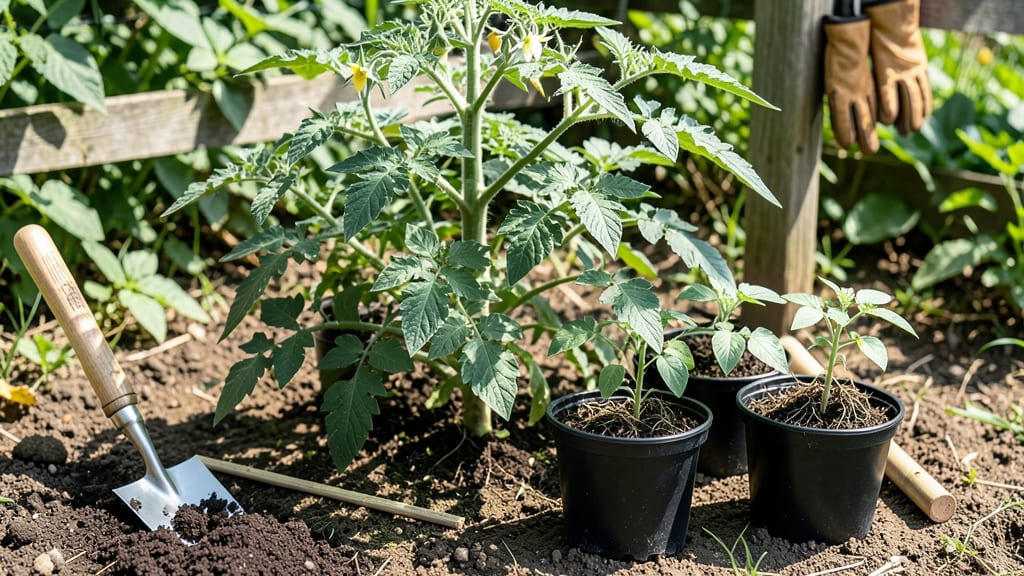
If you’ve ever wondered when to plant tomatoes in NC, timing is everything—especially with North Carolina’s unpredictable shifts from chilly springs to scorching summers. Plant too early, and a late frost could wipe out your 🍅 seedlings; wait too long, and you might miss peak harvest season.
The sweet spot? Between mid-April and early June, but your exact window depends on whether you’re in the Piedmont’s rolling hills or the coastal plains’ milder climate.
Most NC gardeners swear by planting after the last frost date—typically around mid-April—but soil temperature matters just as much. Your tomatoes won’t thrive until the ground warms to at least 60°F, which can push your ideal window into early May in cooler mountain zones like 7a.
Meanwhile, coastal areas in 8b might be ready weeks earlier, giving you a head start on sun-ripened fruit.
Here’s the game-changer: microclimates. A sheltered backyard in Raleigh could be 10 days ahead of a windy spot in Asheville, while urban heat islands might let you plant a week earlier than rural areas.
I’ll break down how to read your local frost maps, adjust for elevation, and even use black plastic mulch to jumpstart your season—so you’re not guessing, but growing.
Ready to turn your tomato dreams into a bountiful harvest? Let’s dive into the exact steps to time your planting like a pro, no matter where in NC you’re gardening.
NC planting zones map: when to start tomatoes indoors vs outdoors
North Carolina spans USDA Hardiness Zones 5a to 8b, creating wildly different tomato planting windows. In the mountains (Zone 5a-6a), you’ll plant later to avoid spring frost, while coastal areas (Zone 8a-8b) can start 6 weeks earlier.
The key? Aligning your schedule with your last average frost date and soil warmth.
For indoor seed starting, most NC gardeners begin 6-8 weeks before their last frost date. That means early March for Zone 8b (coastal) but late March to early April for Zone 5a (mountains).
Transplant outdoors only after soil hits 60°F (15°C)—usually mid-April to early June, depending on elevation.
Here’s how your NC zone affects timing:
| Zone | Last Frost Avg. | Indoor Start (Seeds) | Outdoor Transplant | Soil Temp Threshold |
|---|---|---|---|---|
| 5a-6a (Mountains) | Mid-May | Late March–Early April | Late May–Early June | 60°F (15°C) |
| 7a-7b (Piedmont) | Mid-April | Early March–Mid-March | Early May | 60°F (15°C) |
| 8a-8b (Coastal) | Early March | January–Early February | Mid-March–Early April | 55°F (13°C) |
*Adjust dates 1-2 weeks earlier for microclimates (e.g., urban heat islands) or later for frost-prone valleys.
Pro tip: Use black plastic mulch to warm soil 5-10°F faster, letting you plant 2-3 weeks earlier in cooler zones. In Zone 5a, this can mean the difference between a bountiful harvest and a failed crop.
For direct sowing outdoors (skipping transplants), wait until soil is consistently 65°F (18°C)—typically late April to early May in most of NC. Coastal areas can start as early as February for heat-loving varieties like 'Solar Fire' or 'Heatmaster'.
Always check NOAA’s frost probability maps for your exact location—some mountain valleys (like Blowing Rock) can have frost 2 weeks later than nearby towns. Local extension offices are another goldmine for hyper-local advice.
Remember: Early varieties (like 'Early Girl') can tolerate cooler soils, while heirlooms (like 'Brandywine') need warmer conditions. Match your variety to your zone to avoid disappointment.
5 Critical factors that shift your tomato planting window in NC
North Carolina’s varied geography means your tomato planting schedule shouldn’t follow a one-size-fits-all approach. Even neighboring towns can have 2-3 week differences in frost dates and soil warming. Here are the 5 key factors that determine your exact planting window—and how to adjust for them.
First, elevation changes everything. Mountain regions like Asheville (Zone 7a) often see frost until May 15, while coastal areas like Wilmington (Zone 8a) may be frost-free by March 1.
Use the NC State Climate Office maps to find your local frost-free date, then add 2-4 weeks for soil warming.
Urban heat islands can push planting dates 10-14 days earlier in cities like Charlotte or Raleigh. Concrete and pavement absorb heat, warming soil faster. Test your soil with a soil thermometer—plant when it hits 60°F (15°C), even if air temps are cooler.
🌱
📌 Numbered Highlights: NC Tomato Planting Adjustments
- 1. Elevation Impact: Add 1 week per 1,000 ft to frost-free dates (e.g., Boone at 3,300 ft may wait until May 20).
- 2. Urban Heat: Plant 2 weeks early in paved areas (soil warms 5°F faster than rural zones).
- 3. Wind Exposure: Delay planting 1 week in windy areas (e.g., coastal dunes) to avoid transplant shock.
- 4. Water Access: Irrigated beds can plant 10 days earlier—soil warms faster with consistent moisture.
- 5. Microclimates: South-facing slopes warm 3-5 days earlier than north-facing yards.
💡 Pro Tip: Check NOAA’s Local Climate Data for your county—historical averages reveal hidden patterns (e.g., Raleigh’s last frost often hits April 1, but 2023 saw it linger until April 15).
Wind exposure is another game-changer. Coastal areas like Outer Banks experience higher winds that dry soil and stress young transplants. Delay planting by 7-10 days in these zones, or use windbreaks (like cornstalks or burlap) to protect seedlings.
Water availability also shifts your timeline. Drip irrigation or soaker hoses can warm soil 3-5°F faster than dry beds, letting you plant 1-2 weeks earlier. In drought-prone areas like the Sandhills region, prioritize container gardening for better moisture control.
Finally, microclimates within your yard matter. A south-facing garden bed may be ready 5 days before a shady north side. Use a sun map of your property (free tools like Google Earth’s sun calculator) to spot these hotspots.
Plant heat-loving varieties like ‘Celebrity’ in sunny areas and cooler-tolerant ‘Stupice’ in partial shade.
✂️