
Plants
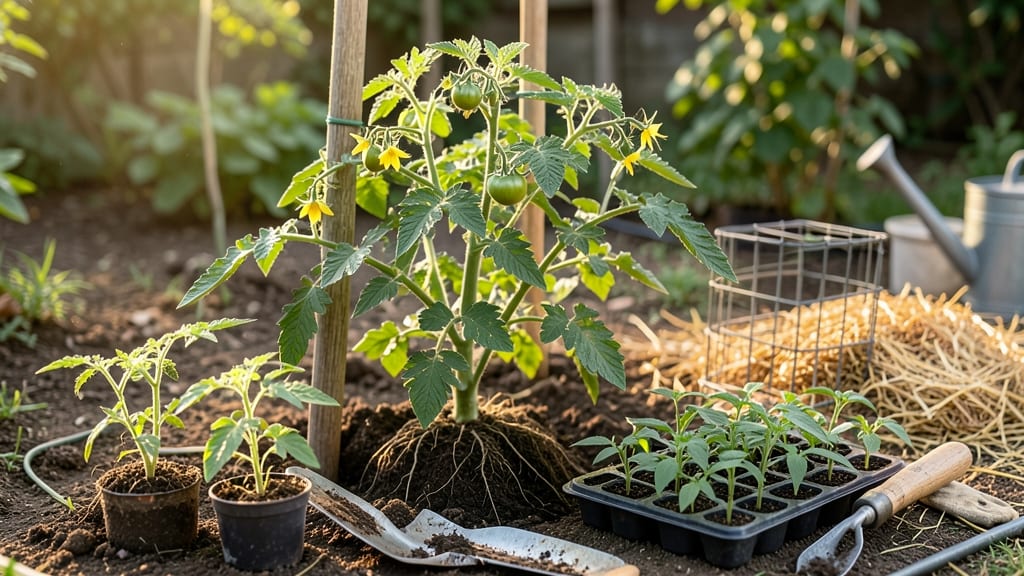
If you've ever dreamed of planting fall tomatoes in North Texas, timing is the key to success. Planting too early means battling summer's scorching heat, while waiting too long risks frost before your plants mature.
The sweet spot? Mid-August to early September—when soil temps cool just enough for seedlings to thrive while still giving them 60-75 days to ripen before the first frost.
North Texas gardeners in USDA Zone 8a face unique challenges, like unpredictable heat spikes and shorter growing seasons. But with the right varieties and preparation, you can enjoy vine-ripened tomatoes well into November.
I'll walk you through the exact planting window, soil prep tips, and heat-tolerant varieties that perform best in our region's climate.
Why does this matter? Because skipping these steps often leads to wasted effort—or worse, no harvest at all. Whether you're a seasoned gardener or just starting, these insights will help you avoid common mistakes and maximize your fall tomato yield.
Let's dive into the game-changer strategies that work in North Texas.
From choosing the right seedlings to mastering post-planting care, I'll cover everything you need to know. By the end, you'll have a clear plan to plant with confidence and enjoy a bountiful harvest. Ready to transform your garden into a tomato paradise? Let's get started.
Best planting dates for fall tomatoes in North Texas (by region)
North Texas spans USDA Zones 7b to 9a, meaning your exact planting window depends on where you live. In Zone 8a (most of Dallas/Fort Worth), the sweet spot for transplanting fall tomatoes is mid-August to early September.
This timing lets seedlings establish roots before first frost (November 15) while avoiding late-summer heat stress.
For northern areas (Zone 7b), like Denton or Gainesville, push transplanting to late August—soil stays warm longer, but cooler nights arrive sooner. Meanwhile, southern regions (Zone 9a), like Waco or Temple, can extend planting until mid-September thanks to milder fall temperatures.
Soil temperature is your best guide: Aim for 60-70°F at 6 inches deep. Use a soil thermometer to check—if it’s below 60°F, wait a week or two. Direct sowing (planting seeds outdoors) isn’t recommended for fall tomatoes in North Texas; seedlings need a head start to mature before frost.
Here’s your fall tomato timeline for North Texas: July 15-30: Start seeds indoors under grow lights. August 1-15: Harden off seedlings (acclimate to outdoor temps). August 15-September 15: Transplant outdoors (adjust by region). October-November: Harvest before first frost.
| Region | USDA Zone | Transplant Window | First Frost Date | Seed Start (Indoors) |
|---|---|---|---|---|
| North (Denton, Gainesville) | 7b | Late August | November 1 | July 15-30 |
| Central (Dallas/Fort Worth) | 8a | Mid-August to Early Sept | November 15 | July 15-30 |
| South (Waco, Temple) | 9a | Mid-September | November 20 | July 20-August 5 |
If you’re starting seeds indoors, use biodegradable pots (like peat or coconut coir) to avoid transplant shock. Seedlings need 12-16 hours of light daily—supplement with a grow light if natural light is limited.
Harden off seedlings for 7-10 days before transplanting by placing them outdoors in partial shade for increasing durations each day.
Choose a sunny, sheltered spot for your tomato patch—avoid low areas where cold air pools. Amend your soil with compost or aged manure to improve drainage and fertility.
A pH of 6.0-6.8 is ideal; test your soil before planting to adjust with lime (to raise pH) or sulfur (to lower pH) if needed.
After transplanting, mulch heavily with straw or shredded leaves to retain moisture and regulate soil temperature. This is especially critical in Zone 7b, where nights can dip into the 40s°F by October. Water deeply once a week (or more in extreme heat) to encourage deep root growth.
Pro tip: Use cage or trellis supports at planting time—tomatoes grow fast, and staking later can damage roots. For determinate varieties (bush types), space plants 18-24 inches apart. Indeterminate varieties (vining types) need 24-36 inches of space and should be pruned to focus energy on fruit production.
Monitor your plants for early blight or hornworms, common pests in North Texas’s humid fall weather. Apply neem oil or row covers at the first sign of trouble. With the right timing and care, you’ll harvest flavorful tomatoes until mid-November—just in time for homemade salsa or sauces!
Top 5 heat-tolerant tomato varieties for North Texas fall gardens
North Texas summers are brutal, but with the right heat-tolerant tomato varieties, you can still enjoy a bountiful fall harvest. These five varieties thrive in late-season heat while producing flavorful fruit before frost hits. I’ve tested them all in my Dallas garden—here’s what works best.
When selecting varieties, prioritize disease resistance and quick maturity to beat the clock. The best candidates for North Texas fall gardens can handle temperatures up to 95°F and still ripen fruit before the first frost—typically around November 15 in most areas.