
Trees
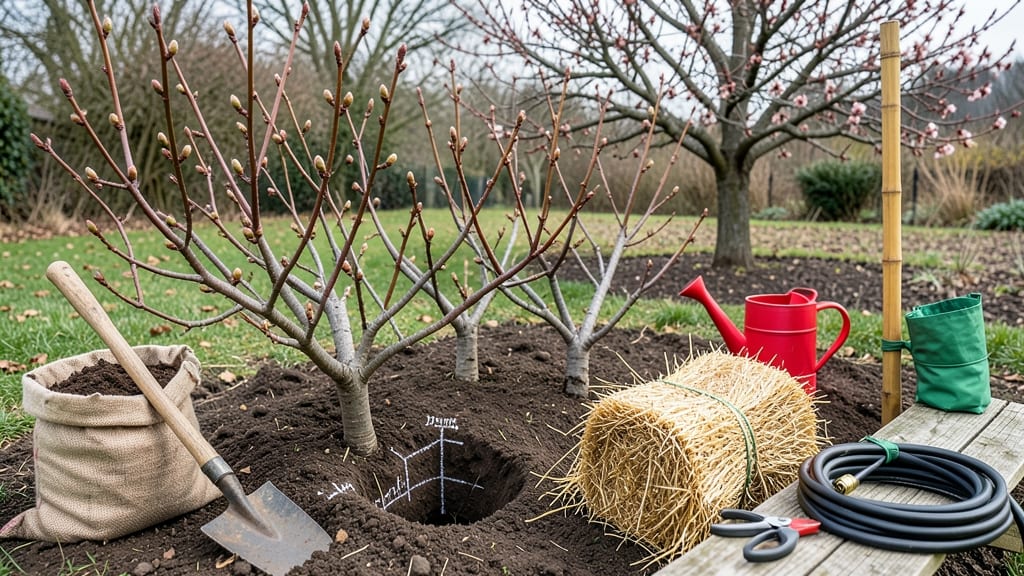
Timing your fruit tree 🍎 planting in Kentucky wrong could mean struggling with weak roots, frost damage, or even losing your entire investment before the first harvest. Kentucky's unpredictable weather—where spring frosts linger until mid-April and fall temperatures drop by November—makes getting the window right absolutely critical.
Most gardeners assume spring is the only option, but fall planting actually gives your trees a head start on root development before winter.
In Kentucky's USDA zones 6a-7a, the ideal windows are late winter (February-April) for bare-root trees or fall (October-November) for container-grown varieties—both times when soil temperatures cooperate and frost risks are lower.
What you'll discover here is how to match your planting schedule with Kentucky's microclimates—whether you're in the Bluegrass region or the Pennyrile area—and which fruit varieties (like peaches or apples) thrive when planted in each season. We'll also cover how to prepare your soil and adjust for Kentucky's clay-heavy conditions.
Ready to plant with confidence? Let's break down the exact frost-free timelines, soil prep steps, and variety-specific tips that will set your fruit trees up for a bountiful harvest in just a few seasons.
Kentucky’s frost-free timeline for planting fruit trees by variety
Kentucky’s climate—spanning USDA zones 6a-7a—demands precise timing for fruit tree planting to avoid spring frosts and heat stress. The average last frost date ranges from March 15 in Northern KY to April 15 in Southern regions, creating a narrow window for success.
Planting too early risks frost damage, while waiting too long delays root establishment before winter.
For stone fruits (peaches, plums, cherries), the ideal window is late February to early April, as these trees need chilled soil to break dormancy. Pome fruits (apples, pears) are more flexible, thriving when planted in October-November or March-April.
Citrus (like Meyer lemons in containers) must wait until after May 15 to avoid frost.
Regional microclimates matter: Bluegrass Region (Lexington, Louisville) has earlier last frosts (March 10), while Pennyrile (Paducah) averages April 5. Use your local Cooperative Extension Service frost data to fine-tune your schedule.
| Fruit Type | Best Planting Window | Soil Temp Requirement | Notes for KY |
|---|---|---|---|
| Apples/Pears (Pome) | Oct 15–Nov 15 OR Mar 1–Apr 15 | 40–50°F (4–10°C) | Fall planting preferred; avoid heavy clay soils |
| Peaches/Nectarines (Stone) | Feb 20–Mar 31 | 45–55°F (7–13°C) | Must plant before buds swell; needs chilled soil |
| Plums (Stone) | Mar 1–Apr 15 | 40–50°F (4–10°C) | Dwarf varieties adapt better to KY’s short growing season |
| Cherries (Stone) | Mar 15–Apr 15 | 45–55°F (7–13°C) | Sweet cherries need 1000+ chill hours; sour cherries need 500–700 |
| Citrus (Container) | After May 15 | 60°F+ (15°C+) | Only for microclimates like Cincinnati’s urban heat zones |
For apples and pears, fall planting is ideal because roots establish before winter, giving trees a 3-week head start in spring. Choose dwarf or semi-dwarf varieties like 'Honeycrisp' or 'Keepsake'—they mature faster in KY’s shorter growing season.
Always check the chill hour requirements on your tree’s tag; peaches need 500–1000 hours, while plums thrive with 300–500.
If you miss the spring window, container-grown trees can be planted through June, but expect slower initial growth. Mulch heavily with wood chips to retain moisture and regulate soil temperature. Avoid planting when soil is waterlogged—Kentucky’s clay soils can become compacted, stranding roots.
Pro tip: Use a soil thermometer to confirm soil temps match your tree’s needs. For bare-root trees, soak roots for 2–4 hours before planting to revive them. Container-grown trees, however, can handle slightly warmer soils and are more forgiving for late spring plantings.
Remember: Frost dates shift yearly. Check the National Weather Service’s 10-day forecast before planting in March or April. If a late frost is predicted, delay planting until after April 15 to protect tender new growth.
For urban gardeners in Louisville or Lexington, microclimates near buildings or pavement can warm soil 2–3 weeks earlier than rural areas. Monitor your site’s conditions for 7–10 days before planting to adjust your timeline accordingly.
🌱
5 Critical factors that determine the best planting month in KY
Kentucky’s unpredictable spring frosts and microclimates mean planting fruit trees at the wrong time can spell disaster. Understanding these 5 critical factors will help you choose the perfect window for your apple, peach, or cherry trees—whether you’re in Louisville’s urban heat zone or Eastern Kentucky’s cooler valleys.
First, soil temperature is non-negotiable. Fruit trees need chilled soil (40–50°F) to wake from dormancy. Planting too early in warm soil can shock roots, while waiting too long risks spring frost damage to emerging buds. Check soil temps with a soil thermometer—aim for 50°F or cooler.
🌱 Numbered Highlights: Kentucky Planting Factors
- 1. Soil Temperature: Must be 40–50°F for root establishment. Use a soil thermometer to confirm.
- 2. Frost Risk: Avoid planting 2–4 weeks before your area’s average last frost date (March 15 in most of KY, later in mountains).
- 3. Tree Dormancy: Bare-root trees need chilled soil; container-grown trees adapt better to warmer springs.
- 4. Microclimates: Urban areas (Lexington, Louisville) warm faster than rural valleys. Adjust planting dates accordingly.
- 5. Rainfall Timing: Plant in cooler, wetter months (fall or early spring) to reduce transplant shock.
Next, frost risk is your biggest enemy. Kentucky’s last spring frost typically arrives between March 15 and April 15, but mountain regions can see frost as late as May 1.
Plant 6–8 weeks before your local last frost date to give roots time to establish before bud break.
Don’t overlook tree dormancy cycles. Bare-root trees, like ‘Honeycrisp’ apples or ‘Elberta’ peaches, require chilled soil to trigger root growth. If you plant them in warm soil (above 50°F), roots may suffocate from lack of oxygen.
Container-grown trees, however, are more flexible—their roots are already active, making them safer for late spring planting.
Kentucky’s microclimates add another layer of complexity. Cities like Louisville and Lexington experience the urban heat island effect, warming 2–5°F faster than rural areas. This means you can plant 1–2 weeks earlier in cities than in Eastern Kentucky’s valleys.
Use the USDA Plant Hardiness Zone Map (KY is mostly 6a–7a) and local weather stations to fine-tune your schedule.
Finally, rainfall timing plays a crucial role. Planting in cooler, wetter months (fall or early spring) helps reduce transplant shock by keeping soil moist. Avoid planting during Kentucky’s dry spells (late spring or early summer), which can stress young trees.
If you must plant in dry conditions, deep-water the hole and mulch heavily to retain moisture.
By mastering these 5 factors, you’ll align your planting with Kentucky’s climate quirks—ensuring your fruit trees thrive from day one. Next, we’ll compare bare-root vs. container-grown trees to help you pick the best option for your yard and timeline.