
Trees
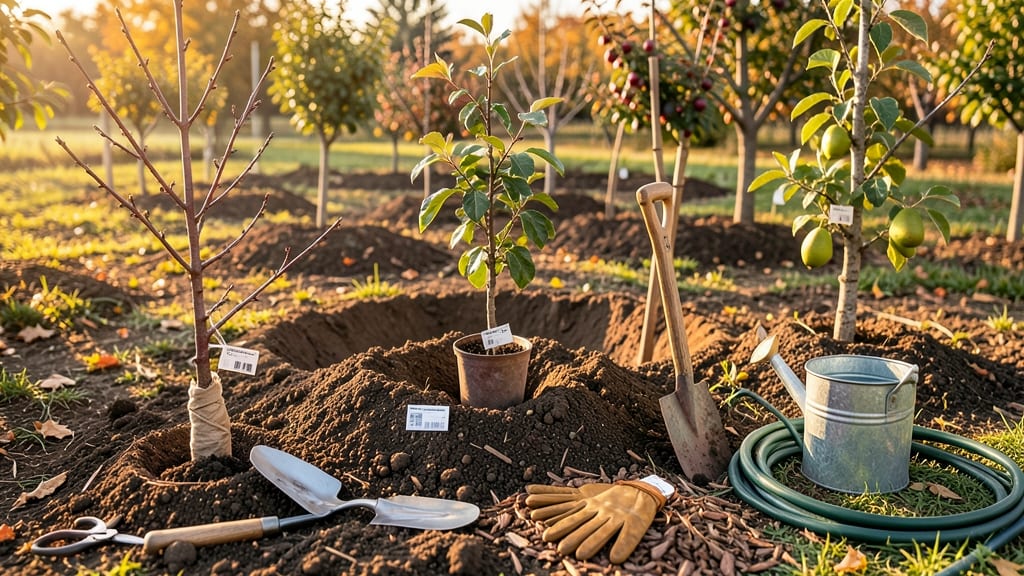
Planting fruit trees in Washington at the wrong time can mean wasted effort—or worse, no harvest. But with the right chill-hour matching and timing, you can grow thriving apples, cherries, and pears that produce bountifully for years.
The key lies in understanding your local microclimate, whether you're in the wetter Western WA zones or the drier Eastern regions.
I’ve seen firsthand how a single month’s difference can determine whether your tree thrives or struggles. For example, November to March is prime for bare-root planting, but container-grown trees need a slightly adjusted schedule. Let’s break down exactly when to plant based on your specific chill-hour needs and regional conditions.
Washington’s diverse climate means what works in Zone 7 near the Cascades might fail in Zone 8 near the coast. We’ll cover how to verify your chill hours, choose the right varieties for your area, and avoid common mistakes that lead to poor growth or even tree death.
Ready to set your fruit trees up for success? You’ll learn how to prep your soil, protect against late frosts, and maintain your trees for maximum yield—so you can enjoy homegrown fruit for years to come.
Best planting months for Washington fruit trees by chill-hour requirements
Washington’s diverse climate—from the wet, mild Pacific Northwest to the dry, cold inland areas—means fruit trees need precise timing. The key factor? Chill hours, which vary dramatically across the state. Most Washington fruit trees require between 200 and 1,000+ hours below 45°F (7°C) to set fruit properly.
In Western Washington (USDA Zones 7b–9a), where winters are wet and mild, planting often extends into late winter (February–March). Meanwhile, Eastern Washington (Zones 5b–7a) with colder winters favors fall planting (November–December) to establish roots before spring thaw.
Here’s how to match your chill-hour zone to the right planting window:
| Chill-Hour Range | Best Planting Months | Washington Regions | Soil Prep Tip |
|---|---|---|---|
| 200–400 hrs | February–March | Western WA (Seattle, Olympia) | Amend with compost to improve drainage |
| 400–600 hrs | November–December | Eastern WA (Spokane, Wenatchee) | Add organic matter for cold retention |
| 600–800 hrs | October–November | Cascade Foothills (Leavenworth) | Test pH (6.0–7.0) and adjust with lime |
| 800–1,000+ hrs | September–October | High Desert (Pullman) | Mulch heavily to retain moisture |
🌱 Pro Tip: Use the USDA Plant Hardiness Zone Map and Washington State University’s chill-hour calculator to pinpoint your exact zone.
If you’re unsure about your local chill hours, check historical data from the National Oceanic and Atmospheric Administration (NOAA). For example, Wenatchee averages 800+ chill hours, while Bellingham often sees only 400–500 hours—a critical difference for varieties like apples or pears.
For bare-root trees, plant as soon as the ground is workable (typically late fall to early spring). Container-grown trees, however, can handle spring planting (March–April) with minimal stress, provided they’re watered deeply afterward.
One common mistake? Planting too early in Western WA, where late frosts can still hit in April. Always monitor local frost dates from the Washington State University Extension for your county.
In Eastern Washington, where winters are colder, fall planting gives roots time to establish before the dry summer heat arrives. This is especially true for stone fruits like cherries and plums, which thrive with a deep root system.
Remember: Soil temperature matters just as much as air temperature. Use a soil thermometer to ensure it’s above 40°F (4°C) before planting. In Western WA, this might mean waiting until March, while Eastern WA can start as early as October.
Finally, consider microclimates—a south-facing slope in the Cascades may warm up faster than a valley floor. Adjust your planting timeline accordingly to give your trees the best possible start.
With the right timing, your Washington fruit trees will reward you with years of abundant harvests—whether it’s crisp apples, juicy cherries, or sweet pears. 🌳
Top 5 Washington-adapted fruit tree varieties and their ideal planting times
Washington’s diverse climate—from the rainy Pacific Northwest to the drier Eastern plains—means some fruit trees thrive where others fail. The key? Matching chill-hour requirements to your microclimate. For example, 'Enterprise' apples need 800–1,000 chill hours, while 'Lapins' pears do well with just 500–600 hours.
Let’s break down the best varieties and their perfect planting windows.
Most Washington gardeners plant fruit trees in late fall or early spring, but timing depends on your zone. Eastern WA (like Spokane) can plant as late as March, while Western WA (like Seattle) should aim for November–January to avoid early spring warmth breaking dormancy too soon.
Always check your local chill hours using the USDA Plant Hardiness Zone Map.
Visual Guide: Chill-Hour Matching for Top Varieties
| Variety | Chill Hours | Best Planting Month | Notes |
|---|---|---|---|
| Enterprise Apple | 800–1,000 | November–March | Cold-hardy, great for Eastern WA |
| Starking Delicious Cherry | 600–800 | November–February | Needs well-drained soil; avoid Western WA low spots |
| Lapins Pear | 500–600 | November–January | Low-chill; ideal for milder microclimates |
| Redhaven Peach | 600–800 | November–February | Prone to brown rot; plant in full sun |
| Honeycrisp Apple | 700–900 | November–March | Dwarf varieties available; great for containers |
For container planting, timing shifts slightly. Bare-root trees can go in November–March, but potted trees (like 'Honeycrisp' dwarf apples) can handle early spring planting as long as roots aren’t frozen. Always soak roots for 2–4 hours before planting to reduce transplant shock.
Adjust for early spring warm-ups—a common issue in Western WA. If temperatures rise above 50°F before buds swell, protect young trees with frost cloth or burlap wraps. This is especially critical for peaches and cherries, which bloom early and risk frost damage.
Pro tip: Plant 2–3 varieties for cross-pollination. For example, pair 'Enterprise' apples with 'Honeycrisp' to ensure fruit set. Mulch with wood chips after planting to retain moisture and regulate soil temperature.
Now that you’ve matched your tree to your microclimate, the next step is avoiding common Washington planting mistakes—like ignoring soil drainage or planting too deep. Let’s dive into those pitfalls in the next section to keep your fruit trees thriving for decades.