
Plants
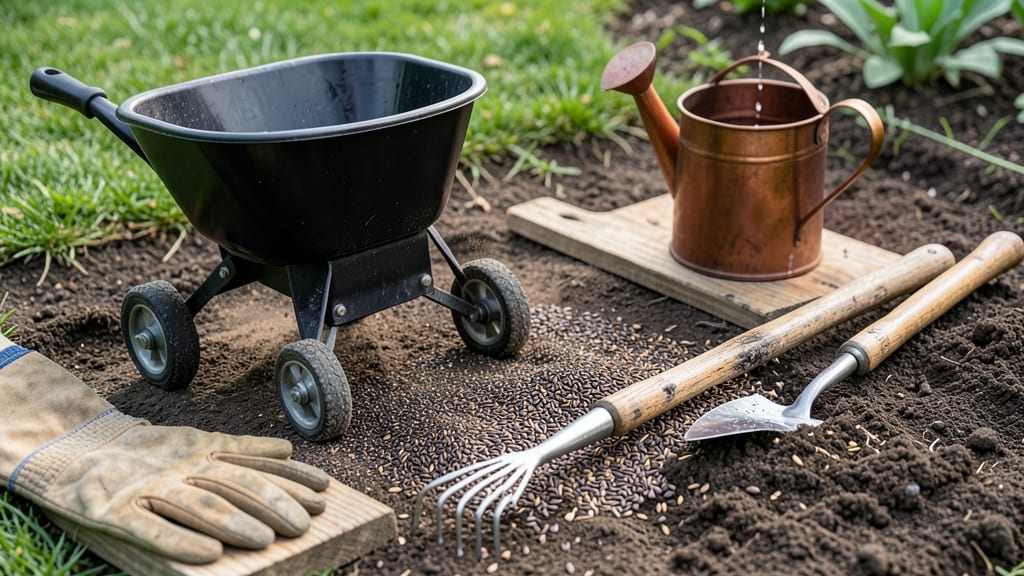
Planting grassseed in East Tennessee at the wrong time can turn your dream of a lush lawn into a frustrating, patchy mess—especially when you factor in the region’s sudden spring downpours and brutal summer heat.
The key isn’t just following a generic calendar; it’s understanding how your specific microclimate (whether you’re in the mountains, valleys, or plateaus) dictates the perfect window for seed germination.
If you’ve ever watched your freshly planted 🌱 grass struggle to take root or wither under East TN’s unpredictable weather, you’re not alone. The solution? Planting 4-6 weeks before your last frost (typically mid-April) or in early fall (September-October) when soil temperatures hit that sweet spot of 50°F.
This timing ensures strong root growth before extreme heat or cold sets in.
In this guide, I’ll break down the exact deadlines for your zone—whether you’re in the cooler 6b mountains or the warmer 7a valleys—plus how to prep your soil for maximum success. No more guessing games; just data-driven timing tailored to East Tennessee’s quirks.
Ready to transform your lawn from bare spots to vibrant green? Let’s dive into the microclimate-specific secrets that’ll make your grass thrive year after year.
Best planting windows for East TN grassseed by microclimate zone
East Tennessee’s diverse geography—from the Appalachian Mountains to the Cumberland Plateau—creates three distinct microclimates, each with its own ideal grassseed planting window. Ignoring these differences can lead to weak germination or failed lawns.
Let’s break down the best times for each zone, including soil temperature thresholds and rainfall patterns that matter most.
For mountain regions (USDA Zone 6b), like the Great Smoky Mountains, aim for late March to early April in spring or late August to mid-September in fall. Cooler temperatures and higher elevations delay soil warming, so wait until soil reaches 50°F (10°C)—use a soil thermometer to check.
In valleys like the Clinch River Valley, plant 2-3 weeks earlier due to milder winters.
Plateau areas (Zone 7a), including Knoxville and Chattanooga, offer a slightly longer window: mid-March to early May for spring and late August to early October for fall. These zones benefit from warmer soil earlier, but avoid planting after September 15 to prevent frost damage before roots establish.
Here’s how rainfall patterns impact timing: East TN’s spring rains (March-April) can wash away newly planted seed, while summer droughts (June-August) stress young grass. Fall planting avoids both extremes, giving seeds time to root before winter dormancy.
🌱 Pro Tip: Test soil moisture before planting—if it’s soggy, wait. Use a rain gauge to track weekly totals; aim for 1 inch per week during germination.
East TN Microclimate Planting Windows
| Zone | Ideal Planting Window | Soil Temp Threshold | Key Risks |
|---|---|---|---|
| Mountain (Zone 6b) | Late March–Early April Late August–Mid-September |
50°F (10°C) | Late frosts, slow soil warming |
| Valley (Zone 6b-7a) | Mid-March–Early May Late August–Early October |
55°F (13°C) | Spring rains, summer drought |
| Plateau (Zone 7a) | Mid-March–Early May Late August–Early October |
60°F (16°C) | Heat stress in late summer |
*Soil temp thresholds are for 2-3 inches deep. Use a soil thermometer to verify.
Choosing the right grass type also depends on your microclimate. Tall fescue thrives in mountain zones with cooler summers, while Bermuda grass (for heat-tolerant areas) is better suited for plateaus. Kentucky bluegrass works well in valleys but struggles with drought.
Timing isn’t just about the calendar—it’s about soil conditions. For example, planting tall fescue in the mountains after April 15 risks summer heat stress, while Bermuda grass in the plateau planted after September 1 may not root before frost.
💧 Watering Tip: After planting, keep soil consistently moist (not soggy) for the first 30 days. Use a sprinkler with a rain gauge to deliver 1 inch of water per week, splitting it into two sessions (morning and evening) to prevent fungal diseases.
If you’re unsure about your microclimate, check your elevation and local frost dates (use the Old Farmer’s Almanac or NOAA for East TN). For example, Johnson City (elevation 1,500 ft) has later frost dates than Gatlinburg (elevation 4,100 ft), so adjust your planting window accordingly.
Finally, avoid planting during East TN’s peak humidity months (June-August), as high moisture levels increase the risk of fungal diseases like brown patch. Fall planting (after Labor Day) strikes the perfect balance—warm soil, moderate rainfall, and cooler nights.
How to prepare your East TN lawn for grassseed success
Preparing your lawn for grassseed in East Tennessee is just as critical as timing—clay-heavy soils and high humidity can derail even the best planting schedule.
Start by testing your soil’s pH level (aim for 6.0–7.0), as East TN’s acidic soils often need lime to create the ideal environment for germination. A simple DIY test kit or local extension office analysis will reveal if adjustments are needed before you spread a single seed.
Once you’ve balanced the pH, remove existing weeds using a combination of manual pulling (for small patches) and pre-emergent herbicide (applied 4–6 weeks before planting). Skipping this step risks competition for nutrients and water, leaving your new grass weak and patchy.
For stubborn weeds like nutsedge, spot-treat with a glyphosate-based herbicide at least 2 weeks before seeding to avoid damaging young sprouts.