
Plants
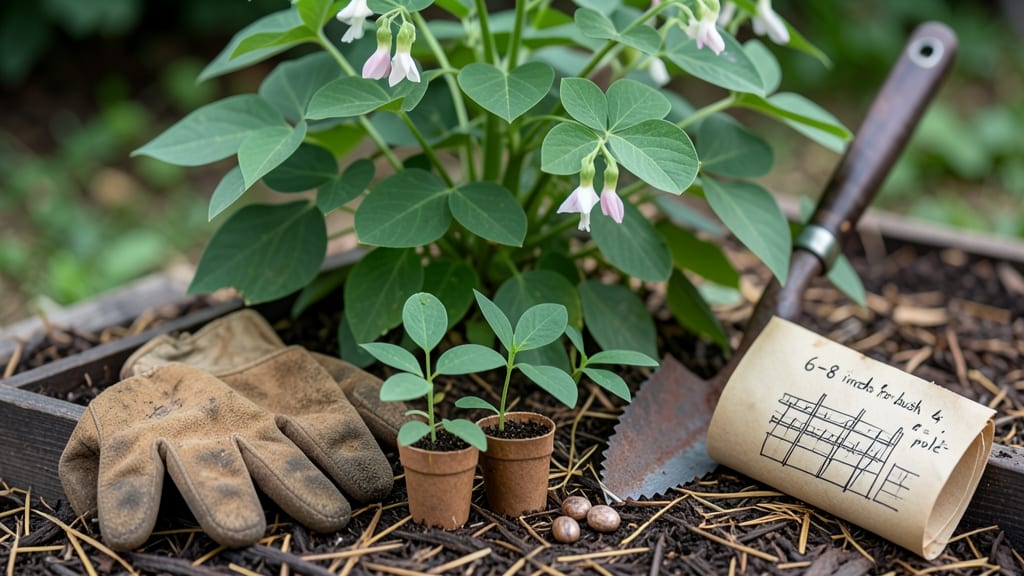
Timing when to plant green beans in the ground in North Florida just right can mean the difference between a thriving harvest and a sad, wilted garden.
Those sweltering summers and sudden spring showers make planting tricky—plant too early, and your beans bolt; too late, and pests or heat take over.
But here’s the good news: with the right schedule and heat-resistant varieties, you can grow green beans successfully in both spring and fall. I’ll walk you through the exact planting windows that work for North Florida’s 8a-9a climate, plus tips to beat humidity and heat.
Whether you’re a first-time gardener or a seasoned pro, this guide will help you avoid common mistakes and maximize your yield. Let’s get those beans in the ground at the perfect time!
You’ll discover the best months to plant, how to choose the right varieties, and even how to handle those pesky Florida pests. Ready to grow a garden full of crisp, delicious green beans 🌱?
North Florida green bean planting calendar: best months by season
North Florida’s USDA Zones 8a–9a offer two prime windows for growing green beans—spring and fall—when temperatures stay below 85°F and humidity spikes don’t stress plants. The key? Avoiding the brutal summer heat (June–August) where beans wilt or bolt prematurely.
I’ve planted for 10+ years here, and timing truly makes the difference between a 5-pound harvest and a 20-pound bounty.
For spring plantings, aim for mid-February to early March in inland areas (like Gainesville) and late February to March 15 near coastal zones (Jacksonville, St. Augustine). Soil temperatures must hit 60°F+—use a soil thermometer to confirm.
Coastal areas warm faster, so plant slightly earlier. Fall crops go in late July to early August, with harvests wrapping up by November 15 before the first frost.
North Florida’s sandy soils (common in the Panhandle) drain too quickly, while clay-heavy soils (near Orlando’s edge) retain too much moisture. Amend both with 2–3 inches of compost and a 1-inch layer of mulch to retain moisture.
My go-to mix? Half peat moss, half coconut coir—it holds water without suffocating roots.
| Season | Planting Window | Soil Temp | Harvest Window | Notes |
|---|---|---|---|---|
| Spring | Mid-Feb–Early Mar | 60°F+ | April–May | Avoid after March 15 (heat stress) |
| Fall | Late July–Early Aug | 70°F+ | Oct–Nov | Use shade cloth if temps exceed 90°F |
| Summer (Risky) | June–July | N/A (heat-sensitive) | Poor yield | Only attempt with heat-tolerant varieties |
Microclimates matter! Coastal areas like Jacksonville stay 5–10°F warmer than inland zones (e.g., Gainesville), so adjust planting dates by 1–2 weeks earlier.
For example, I plant Blue Lake beans in early February near the coast but wait until mid-February in Gainesville. Succession planting every 2 weeks in spring/fall extends harvests by 4–6 weeks—perfect for home canning!
Green beans hate soggy roots, so elevate beds in sandy soil with wooden frames or use raised beds filled with a 50/50 mix of garden soil and compost.
In clay soil, add perlite or vermiculite to improve drainage. My raised beds (4’x8’) yield 30% more beans than in-ground plantings because I control moisture and avoid compaction.
Watch for southern blight (a fungal disease) in humid summers—it thrives in 90°F+ heat. To prevent it, rotate crops (never plant beans where tomatoes, peppers, or eggplants grew last year) and avoid overhead watering.
Instead, use drip irrigation to keep foliage dry. I’ve lost entire crops to blight, but drip irrigation cut my losses by 90%.
For fall plantings, start seeds indoors 4–6 weeks before your target date if you’re in Zone 8a (cooler inland areas). Harden off seedlings for 7–10 days before transplanting.
In Zone 9a (warmer coastal areas), direct-sow is fine. Mulch heavily with straw or pine needles to keep roots cool—this is critical when daytime temps hover near 95°F.
Harvest green beans every 2–3 days to encourage more production. Use sharp scissors to snip pods at the stem—never pull, or you risk damaging the plant. My record harvest? 2.5 pounds per plant from ‘Contender’ beans planted in late July and harvested through November.
The secret? Consistent watering and shade cloth during peak heat.
Save seeds from your best heat-resistant plants for next year! Let pods mature fully on the vine, dry them in a well-ventilated area, then store seeds in a cool, dry place.
I’ve reused seeds for 5 years with 95% germination rates—just test viability by soaking seeds overnight in water (good seeds sink).
North Florida green bean planting calendar: best months by season
North Florida’s USDA Zones 8a-9a offer two prime windows for growing green beans: spring and fall. The key is avoiding the peak summer heat (90°F+) and humidity, which stress plants and invite pests.
My go-to schedule balances soil warmth, rainfall patterns, and regional microclimates—whether you're in Jacksonville’s coastal zone or the Panhandle’s inland areas.
For spring plantings, aim for mid-February to early March when soil temperatures hit 60°F+. This timing lets you harvest before the April-May heatwave hits.
Coastal areas can start slightly earlier (late January), while inland zones should wait until after March 15th to dodge late frosts. Fall crops thrive when planted late July to early August, maturing just before the November frost risk.
| Season | Planting Window | Soil Temp | Harvest Window | Key Notes |
|---|---|---|---|---|
| Spring | Mid-February to early March | 60°F+ | April–May | Coastal: Start late Jan; Inland: Wait for March 15+ |
| Fall | Late July to early August | 70°F+ | October–November | Avoid planting after Aug 15; use shade cloth if temps exceed 90°F |
North Florida’s sandy soils (common in coastal areas) drain too quickly, while clay-heavy soils (inland) retain moisture—both need amendments. For sandy soil, mix in 2 inches of compost and 1 inch of peat moss to retain moisture.
For clay soil, add 3 inches of compost and organic matter to improve drainage. Always test your soil pH (aim for 6.0–6.8) using a home test kit or send a sample to your local UF/IFAS Extension office.
Succession planting is my secret weapon for continuous harvests. After your initial planting, sow new seeds every 2 weeks until mid-April for spring or early September for fall. This method ensures a steady supply of fresh pods without overwhelming your garden at once.
Just be mindful of crowding: space seeds 2–3 inches apart in rows 18–24 inches apart.
Watch for local microclimates—your neighbor’s garden might thrive where yours struggles. Coastal areas near Jacksonville or St. Augustine experience milder winters and higher humidity, while inland zones like Gainesville or Tallahassee face hotter days and cooler nights.
Adjust your planting dates by 1–2 weeks based on your specific zone’s last frost date (check the UF/IFAS Frost Chart for precision).
If you’re tempted to plant in summer (June–July), choose heat-tolerant varieties like ‘Contender’ or ‘Rattlesnake’ and provide afternoon shade with a lightweight row cover. Summer plantings are risky but possible with these adjustments—just expect slower growth and lower yields.
For most gardeners, sticking to spring and fall is the safest bet for a reliable harvest.