
Trees
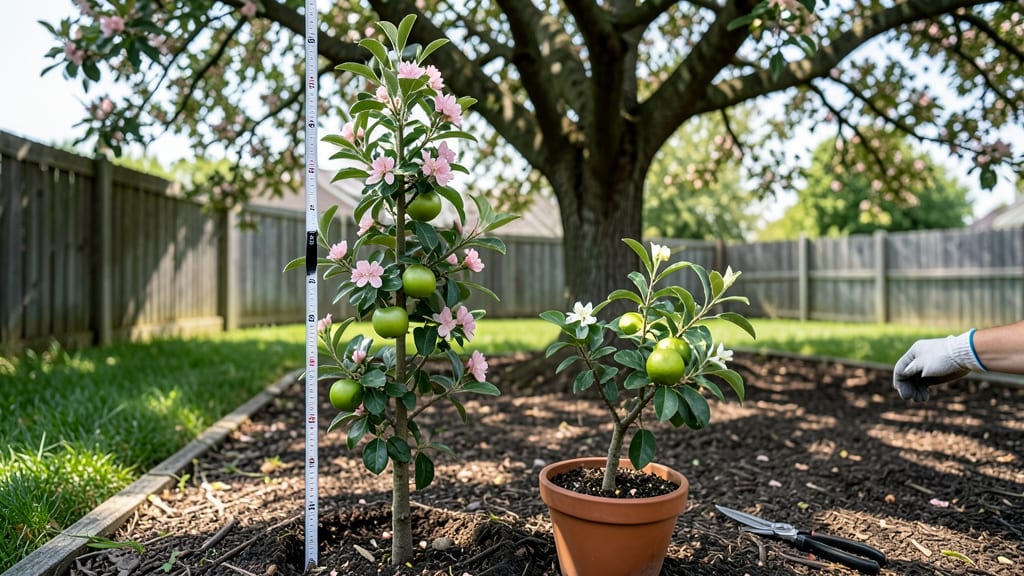
Curious about how tall do dwarf trees grow before they become space hogs? You’re not alone—many gardeners dream of adding trees to their yards without sacrificing patio space or curb appeal.
These compact beauties, like Japanese maples or ornamental cherries, can stay under 6 feet when chosen and cared for correctly, making them perfect for urban gardens or small backyards.
The magic lies in selecting the right variety and giving it proper care. Some dwarf trees mature at just 3 feet, while others can stretch to 12 feet if left unchecked. Pruning, soil quality, and sunlight all play a role in keeping them at your desired height.
I’ll break down the best options and tips to ensure your 🌳 dwarf tree stays the size you want for years to come.
Whether you’re a beginner or a seasoned gardener, understanding these growth patterns helps you plan your landscape with confidence. You’ll learn which varieties thrive in USDA Zone 6a and how to plant them in spring for the best results.
Let’s dive into the specifics so you can pick the perfect dwarf tree for your space.
From slow-growing evergreens to flowering favorites, the right choice can transform your outdoor area without the commitment of a full-sized tree. Ready to discover how to keep your garden lush and manageable? Let’s get started.


Average height ranges for popular dwarf tree varieties under 6 feet
Dwarf trees are the perfect solution for gardeners with limited space who still want the beauty and benefits of trees. These compact varieties typically mature between 3 to 6 feet, making them ideal for small yards, patios, or even large containers.
But not all dwarf trees grow the same height—some stay under 3 feet, while others reach closer to 6 feet at maturity.
Understanding the mature height of specific varieties helps you choose the right tree for your space. For example, a Japanese maple like 'Bloodgood' stays around 5 feet, while a dwarf Alberta spruce might only reach 3 feet.
Let’s explore the most popular dwarf tree varieties and their typical height ranges to help you plan your garden layout.
Here’s a quick reference for mature heights of some of the most beloved dwarf trees, along with their ideal growing conditions and space requirements:
| Tree Variety | Mature Height (ft) | Sunlight Needs | Space Requirements |
|---|---|---|---|
| Japanese Maple ('Bloodgood') | 5 | Full sun to partial shade | 4-6 ft diameter |
| Dwarf Alberta Spruce | 3-4 | Full sun | 3-4 ft diameter |
| Columnar Apple ('Red River') | 6-8 | Full sun | 2-3 ft diameter |
| Dwarf Flowering Cherry ('Snow Fountain') | 4-5 | Full sun | 4-5 ft diameter |
| Dwarf Meyer Lemon | 6-8 | Full sun | 4-6 ft diameter |
| Dwarf Blue Atlas Cedar | 3-4 | Full sun | 3-4 ft diameter |
The Japanese maple and dwarf flowering cherry are excellent choices if you want a smaller tree with stunning seasonal color. Their mature heights of 4 to 5 feet make them perfect for accenting patios or small garden beds.
Meanwhile, columnar varieties like the Red River apple grow taller but stay narrow, making them ideal for tight spaces like urban yards or along fences.
For those who love evergreen options, dwarf conifers like the Alberta spruce or Blue Atlas cedar are low-maintenance and stay under 4 feet. These varieties thrive in full sun and require minimal pruning, making them a great choice for beginners or busy gardeners.
When selecting a dwarf tree, consider not only its mature height but also its growth rate and space needs. Some varieties, like the dwarf Meyer lemon, grow slowly but can reach 6 to 8 feet over time, so plan accordingly.
Others, like the Bloodgood Japanese maple, grow more quickly and may need occasional pruning to maintain their compact shape.
Always check the specific variety’s care requirements before planting. For instance, citrus dwarf trees like the Meyer lemon need well-draining soil and protection from frost, while ornamental dwarf trees like maples or cherries are more cold-hardy. Understanding these details ensures your dwarf tree thrives for years to come.
If you’re unsure which dwarf tree fits your space, start with smaller varieties like the Alberta spruce or Blue Atlas cedar—they’re forgiving, low-maintenance, and perfect for beginners. For a pop of color, the dwarf flowering cherry or Japanese maple will add seasonal interest without overwhelming your garden.
Remember, pruning plays a key role in maintaining the compact size of dwarf trees. Even slow-growing varieties can outgrow their space if left unchecked. I recommend light pruning in late winter or early spring to shape the tree and encourage bushier growth.
With the right variety and care, your dwarf tree will remain under 6 feet and bring year-round beauty to your garden—no towering giants required! 🌳
Average height ranges for popular dwarf tree varieties under 6 feet
Dwarf trees are a gardener’s dream—they bring the majesty of trees without the space requirements. But not all dwarf varieties stay under 6 feet. Some mature at 3 feet, while others stretch toward 8 feet.
Understanding these ranges helps you pick the perfect fit for your yard, patio, or even indoor spaces.
Japanese maples, for example, are iconic dwarf trees. The 'Bloodgood' variety typically reaches 10-15 feet, but its dwarf cousin, 'Crimson Queen', stays a modest 6-8 feet.
Meanwhile, ornamental cherries like 'Stellar Pink' max out at 5-6 feet, making them ideal for small gardens. Conifers like dwarf Alberta spruce often remain under 4 feet.
| Variety | Mature Height | Notes |
|---|---|---|
| Japanese Maple 'Crimson Queen' | 6-8 ft | Slow-growing, vibrant red foliage |
| Ornamental Cherry 'Stellar Pink' | 5-6 ft | Spring blooms, full sun lover |
| Dwarf Alberta Spruce | 3-4 ft | Evergreen, low-maintenance |
| Columnar Apple 'Golden Hornet' | 8-10 ft | Narrow shape, fruit-bearing |
| Dwarf Meyer Lemon | 6-8 ft | Indoor/outdoor, citrus fruit |
Height isn’t the only factor—growth rate matters too. Some dwarf trees, like bonsai-style elms, grow just 1-2 inches per year, while others, such as columnar fruit trees, can add 12-18 inches annually.
Always check the growth rate label when shopping, as it predicts how quickly your tree will fill its space.
Soil and sunlight also play a role. Poor soil or shade can stunt growth, while rich soil and full sun may encourage faster (but still controlled) expansion.
For example, a dwarf peach tree in full sun might reach 8 feet, but the same tree in partial shade could stay under 6 feet.
If you’re working with tight spaces, prioritize slow-growing varieties like dwarf conifers or miniature maples. These stay under 5 feet and rarely need pruning. For larger containers or ground planting, 6-foot varieties like dwarf fruit trees offer versatility without overwhelming your landscape.
Remember: pruning is your best tool to keep dwarf trees in check. Even if a variety is labeled "dwarf," it can outgrow its space without regular maintenance. A light trim in late winter or early spring keeps them looking tidy and prevents overgrowth.