
Plants
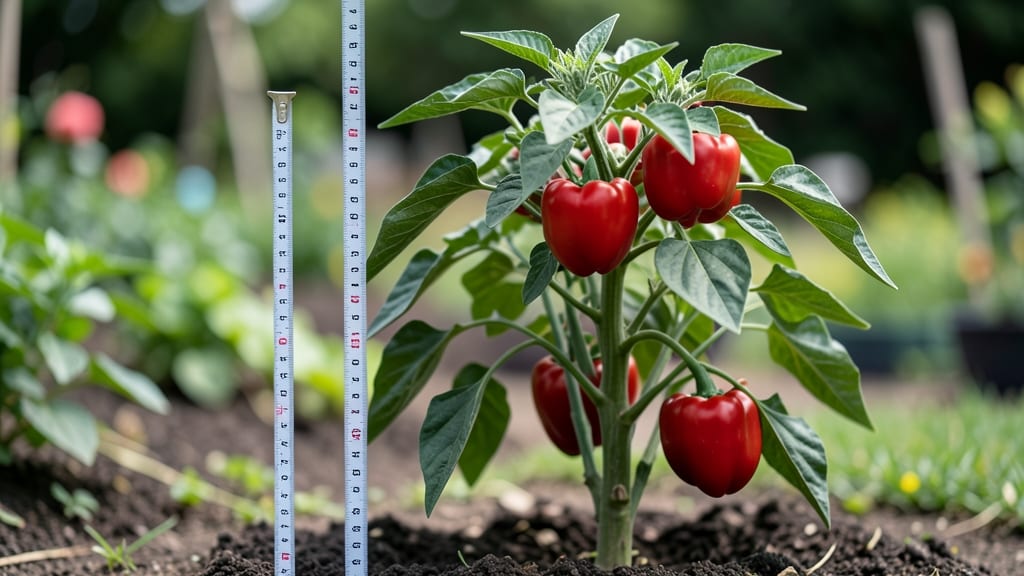
If you're planning your garden layout, knowing how tall red bell pepper plants grow can make all the difference between a thriving harvest and a crowded mess. These vibrant 🌶️ plants aren't one-size-fits-all—they come in two main growth styles that completely change how you'll need to space them.
Bush varieties typically stay between 24-36 inches, making them perfect for small gardens or containers, while vining types can stretch up to 4-5 feet if given the right support.
This height difference isn't just about aesthetics—it directly impacts how much sunlight your plants get and how many peppers you'll actually be able to harvest.
I've seen gardeners struggle with overcrowded red bell pepper patches because they didn't account for these growth habits. The good news? With the right spacing and support, you can maximize your yield no matter which type you're growing.
Let me show you exactly how to plan for both bush and vining varieties.
From choosing the right variety like 'California Wonder' to setting up trellises for tall plants, we'll cover all the practical tips you need. Whether you're working with limited space or have a full sun garden bed, understanding these growth patterns is the key to a successful pepper harvest this season.


Red bell pepper plant height: bush vs vining growth habits compared
Red bell pepper plants typically reach heights between 18 to 36 inches at maturity, but their growth habits can differ significantly. Some varieties grow as compact bush plants, while others develop as sprawling vining plants.
Understanding these differences is key to planning your garden layout and providing proper support for maximum yield.
Bush-type red bell peppers, like the popular 'California Wonder' variety, stay relatively short and stocky. These plants usually max out around 24 to 30 inches, making them ideal for small spaces or container gardening.
Their compact structure also means they require less staking or trellising, which can be a big advantage for beginners.
On the other hand, vining varieties like 'Gypsy' or 'Carmelo' can grow much taller, often reaching 3 to 5 feet or more. These plants send out long, sprawling stems that need support to prevent fruit from touching the soil.
Without proper care, vining types can become unruly and take up more garden space than expected.
| Growth Habit | Height Range | Spacing Needs | Support Required |
|---|---|---|---|
| Bush Type | 18-30 inches | 18-24 inches apart | Minimal (optional cages) |
| Vining Type | 3-5 feet | 24-36 inches apart | Essential (trellises/stakes) |
The height of your red bell pepper plants directly impacts their sunlight exposure, air circulation, and even their fruit production. Taller varieties often produce more peppers but require careful planning to ensure they don't shade shorter plants in your garden.
If you're growing multiple varieties, consider planting taller types on the north side of your garden to avoid blocking sunlight.
Another key factor is how height affects harvesting ease. Shorter bush varieties are perfect for gardeners with mobility concerns, as they're easier to reach without bending or kneeling. Meanwhile, vining types might require a small stool or ladder for comfortable picking, especially if you're dealing with heavy fruit loads.
For container gardening, stick to bush varieties or dwarf types that stay under 24 inches. Even then, ensure your pots are at least 12 inches deep to accommodate root growth.
If you're growing vining types in containers, choose large, sturdy pots and provide a freestanding trellis to support the plant's weight and spread.
One common mistake gardeners make is underestimating how much space vining red bell peppers need. These plants can spread 2 to 3 feet wide if left unsupported, which can lead to overcrowding and reduced yields.
Always leave extra room for vining varieties, even if your initial research only focused on height.
If you're unsure which type to choose, consider your garden's microclimate. Bush varieties tend to thrive in cooler climates, while vining types often perform better in warmer regions with longer growing seasons.
Both types benefit from well-draining soil and consistent moisture, but taller plants may need additional watering to reach their full height potential.
Remember, even within the same variety, plant height can vary based on growing conditions. A 'California Wonder' grown in full sun might reach its maximum height, while one planted in partial shade could stay shorter.
Pay attention to your plants' growth patterns and adjust your care routine accordingly to encourage healthy development.
Red bell pepper plant height: bush vs vining growth habits compared
Red bell pepper plants typically reach 18 to 36 inches at maturity, but their growth habits vary dramatically between bush and vining varieties. Bush types stay compact, while vining varieties can stretch 3 to 5 feet or taller with proper support.
Understanding these differences is key to planning your garden layout and maximizing yield.
Bush varieties like California Wonder grow in a dense, upright bush shape, rarely exceeding 3 feet. Their compact structure makes them ideal for containers or small gardens.
Vining types, such as Gypsy or Apache, produce sprawling vines that require trellises or cages to support their weight and keep fruits off the ground.
| Growth Type | Height Range | Structure | Garden Needs |
| Bush | 18-36 inches | Compact, upright | Containers, small plots |
| Vining | 3-5 feet+ | Sprawling, climbing | Trellises, cages, stakes |
Bush varieties thrive in tight spaces and produce earlier yields, while vining types often yield more peppers but need extra vertical space. If you're short on garden real estate, bush types like King of the North are excellent choices.
For larger gardens or trellis setups, vining varieties reward you with heavier harvests and easier pest control when elevated.
Height also impacts sunlight exposure and air circulation. Taller plants may need pruning to improve airflow, reducing the risk of fungal diseases like powdery mildew.
Always space plants according to their mature size—18 inches apart for bush types and 24-36 inches for vining varieties—to prevent overcrowding and ensure healthy growth.
Container gardening is another option for compact varieties, but ensure pots are at least 12 inches deep and wide. Vining types in containers will need strong support structures and may require larger pots (18+ inches) to accommodate their root systems. Always check the seed packet for specific variety recommendations.
Remember, pruning can influence height and yield. Pinching back side shoots encourages stronger stems and better fruit production. For vining types, regular pruning keeps plants manageable and directs energy toward pepper production rather than excessive foliage.