
Plants
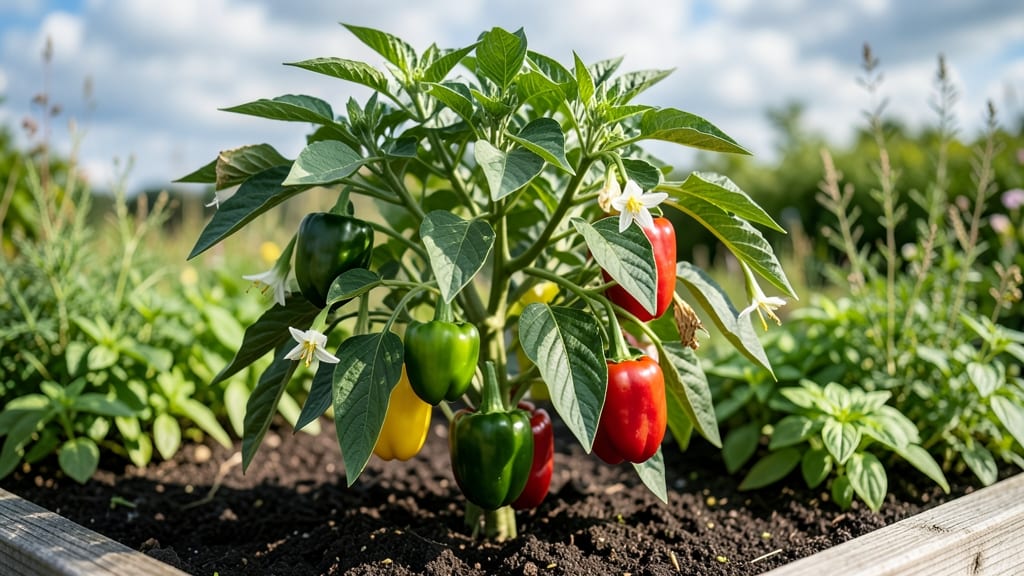
If you're dreaming of a homegrown harvest of juicy, sweet peppers 🌶️ but wondering how tall do sweet pepper plants grow, the answer isn’t one-size-fits-all.
Sweet pepper plants can range from compact 1-foot-tall dwarf varieties to towering 4-foot giants, depending on the type you choose—and that height makes all the difference in your garden layout.
Picture this: California Wonder peppers stretching toward the sky, while Sweet Banana varieties stay neatly contained. The right spacing isn’t just about aesthetics—it’s about maximizing airflow, sunlight, and ultimately, your pepper yield.
Whether you’re working with a cozy container garden or a sprawling backyard plot, knowing these height variations lets you plan like a pro.
But here’s the catch: taller varieties need more support, while bush types thrive with minimal fuss. I’ll break down the exact heights of popular varieties and share practical tips to keep your plants happy—no matter how much vertical real estate they demand. Let’s get growing!
From dwarf peppers that fit snugly in pots to indeterminate types that climb like vines, your garden’s height potential is limited only by your variety choice. Ready to turn that empty space into a pepper paradise? Let’s dive into the details.


Sweet pepper plant heights by variety: compact vs. tall-growing types
Sweet pepper plants come in a stunning range of heights, from dwarf varieties that fit snugly in containers to tall, sprawling plants that need trellises. Understanding these differences helps you plan your garden layout for optimal sunlight exposure and air circulation.
Whether you're working with a small balcony or a spacious backyard, knowing your pepper's mature height ensures you give it the space it needs to thrive and produce abundantly.
Most sweet pepper varieties fall into three height categories: dwarf (1–2 feet), semi-dwarf (2–3 feet), and standard (3–4 feet). Some indeterminate varieties can even reach 5 feet or taller if given proper support.
The key is matching your variety to your garden's space and your gardening style—whether you prefer container gardening or in-ground planting.
Here’s how some of the most popular sweet pepper varieties stack up in terms of height and spacing needs:
| Variety | Height Range | Spacing Needs | Best For |
|---|---|---|---|
| Sweet Banana Pepper | 1–2 ft | 12–18 inches apart | Containers, small gardens |
| California Wonder Bell Pepper | 2–3 ft | 18–24 inches apart | Bush gardens, raised beds |
| Poblano Pepper | 2–3 ft | 24 inches apart | Trellises, in-ground plots |
| Jalapeño Pepper | 3–4 ft | 30–36 inches apart | Large gardens, trellises |
| Indeterminate Sweet Pepper (e.g., 'Sweet Chocolate') | 4–5+ ft | 36+ inches apart with support | Vertical gardening, large spaces |
If you're growing bell peppers or banana peppers, the dwarf and semi-dwarf varieties are perfect for container gardening or small spaces. These compact plants stay under 3 feet tall and produce abundant fruit without taking up much room.
For example, the Sweet Banana Pepper is a favorite for balcony gardens because it thrives in 5-gallon pots and only needs 12–18 inches of space between plants.
On the other hand, taller varieties like the Jalapeño or indeterminate types need more room to stretch out. These plants can reach 4–5 feet tall and benefit from trellises or cages to support their weight and improve airflow around the foliage.
Without proper support, they can become top-heavy and prone to stem breakage, especially when laden with peppers. For these varieties, plan to space them 30–36 inches apart in your garden bed.
Choosing the right variety for your space isn’t just about height—it’s also about yield potential and garden layout. Taller plants often produce more peppers over a longer season, but they require more maintenance to keep them upright and healthy.
If you're a beginner, starting with a bush-type pepper like California Wonder can simplify your gardening tasks while still delivering a generous harvest.
One of my favorite tricks for managing height in small-space gardens is to use vertical gardening techniques. Even medium-height varieties like Poblano peppers can be trained to grow upward using bamboo stakes or tomato cages.
This not only saves space but also improves sunlight exposure for the lower leaves, reducing the risk of fungal diseases like powdery mildew.
For gardeners with limited space, dwarf varieties are a game-changer. They allow you to grow multiple pepper plants in a single container or a small raised bed.
For instance, you can fit three Sweet Banana Pepper plants in a 5-gallon container with proper spacing, giving you a steady supply of mini peppers for snacks or cooking. The trade-off?
These smaller plants may produce fewer peppers per plant compared to their taller counterparts, but they make up for it with convenience and space efficiency.
When selecting seeds or seedlings, always check the plant tag or seed packet for height and spacing recommendations. This small step can save you from <
How sweet pepper height affects your garden’s spacing & support needs
Sweet pepper plants vary dramatically in height—from compact 1-foot dwarfs to towering 5-foot giants.
This height difference isn’t just about aesthetics; it directly impacts how you space your plants, choose supports, and even design your garden layout. Taller varieties need more room to avoid shading neighbors, while bush types thrive in tight clusters. Let’s break down how height affects your garden’s success.
Proper spacing is critical for airflow and sunlight penetration. Bush varieties like Sweet Banana or Jalapeño M typically reach 2–3 feet tall and should be spaced 18–24 inches apart.
In contrast, indeterminate types like California Wonder can grow 4–5 feet tall and need 36+ inches of space to avoid competition. Crowding stunts growth and invites diseases like powdery mildew.
🌱
📏 Spacing & Support Guide by Pepper Height
-
🌿 Dwarf Varieties (1–2 ft)
Examples: Sweet Banana, Jalapeño M
Spacing: 12–18" apart
Support: None (bushy growth) -
🌳 Semi-Dwarf (2–3 ft)
Examples: Bell Pepper 'Black Beauty'
Spacing: 18–24" apart
Support: Optional cages (18" tall) -
🌿 Tall/Indeterminate (3–5 ft)
Examples: California Wonder, 'Big Beef'
Spacing: 36" apart
Support: Stakes or trellises (4–5 ft tall)
Pro Tip: Use tomato cages (5 ft) for tall varieties—they’re sturdy and save space!
Support structures aren’t just for aesthetics—they boost yields by keeping plants upright and improving airflow. Tall varieties like California Wonder produce more peppers when trained vertically, as they avoid bending under fruit weight.
Install stakes or trellises early—before the plant reaches 12 inches tall—to prevent root disturbance. For heavy-fruiting types, use wide-gauge netting or wooden cages to distribute weight.
Vertical gardening is a game-changer for small spaces. Trellising tall peppers along a fence or wall saves 70% of ground space while making harvests easier. Just ensure your trellis is at least 5 feet tall for indeterminate types and secure it with galvanized wire or bungee cords.
Container gardeners can use 5-gallon fabric pots with built-in stakes for dwarf varieties.
Overcrowding is the #1 mistake that stunts pepper growth. If your garden is tight, opt for dwarf or semi-dwarf varieties like 'Snackable' bell peppers (1–2 ft tall) or 'Apache' jalapeños (2 ft).
These thrive in raised beds or hanging baskets with minimal spacing. For larger plots, interplant peppers with shallow-rooted crops like basil or lettuce to maximize space efficiency.
🌱