
How To
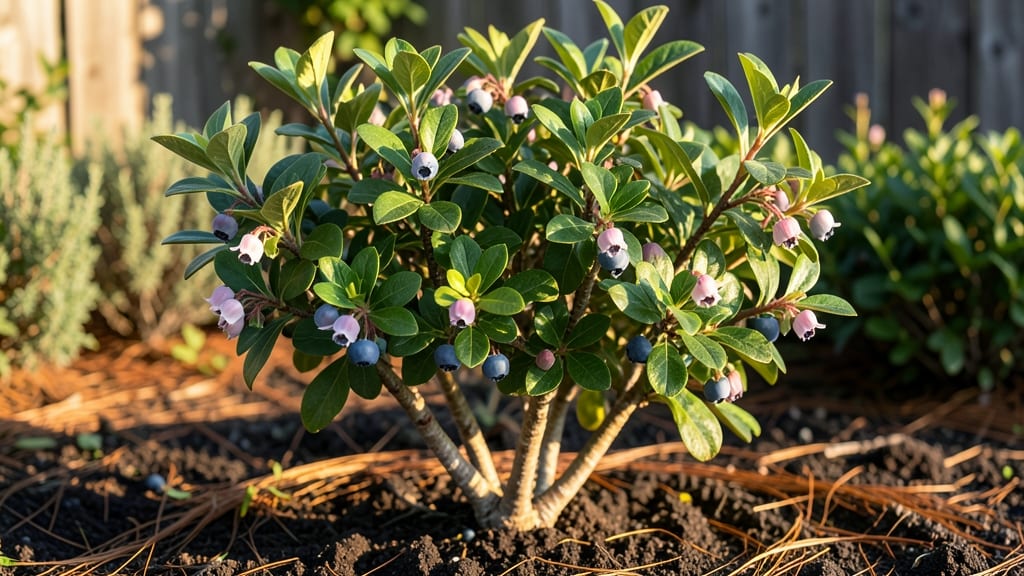
If you're dreaming of a backyard bursting with juicy 🫐 blueberries but wondering how tall blueberry bushes can grow, you're in luck—because their height can vary dramatically depending on the variety you choose.
Standard blueberry bushes can reach towering heights of 6 to 12 feet, making them perfect for larger gardens or even as a privacy hedge. But if you're working with limited space—like a small yard or even containers—dwarf varieties stay compact at just 2 to 4 feet tall.
This flexibility means you can grow blueberries almost anywhere, from a cozy balcony to a sprawling backyard. The key is understanding how each type grows and how to optimize your space for the best harvest.
Whether you're a first-time gardener or a seasoned pro, I’ll break down the differences between dwarf, semi-dwarf, and standard blueberry bushes so you can pick the perfect fit for your garden—and your taste buds.


Blueberry plant height guide: dwarf vs standard vs semi-dwarf varieties compared
Blueberries are one of the most versatile fruits for home gardeners, but their mature height can vary wildly depending on the variety. A standard blueberry bush can reach 6 to 12 feet tall, while dwarf varieties stay compact at just 2 to 4 feet.
Choosing the right size ensures your garden layout works for both your space and your harvest goals.
If you're working with limited space—like a balcony garden or small backyard—dwarf or semi-dwarf varieties are your best bet. These compact bushes produce just as many berries as their taller counterparts but require far less room.
Meanwhile, standard varieties dominate larger landscapes, offering heavier yields but needing more maintenance and space.
Below is a detailed comparison of blueberry sizes, including ideal spacing, growth habits, and best uses for each type. This will help you decide which variety fits your garden perfectly.
| Variety Type | Mature Height | Ideal Spacing | Best For | Yield Potential |
|---|---|---|---|---|
| Dwarf | 2–4 ft | 3–4 ft apart | Containers, small gardens, balconies | Moderate (1–2 lbs/plant) |
| Semi-Dwarf | 4–6 ft | 5–6 ft apart | Small yards, raised beds | High (2–3 lbs/plant) |
| Standard | 6–12 ft | 8–10 ft apart | Large gardens, orchards | Very High (3–5 lbs/plant) |
For small gardens or container growing, dwarf varieties like 'Top Hat' or 'Peach Sorbet' are ideal—they fit neatly into pots and still produce plenty of berries.
Semi-dwarf bushes strike a balance, offering more yield while staying manageable in smaller yards. Meanwhile, standard varieties thrive in larger landscapes where space isn’t an issue.
Another key factor is pruning needs. Taller bushes require more frequent pruning to control height and improve air circulation, while dwarf varieties need minimal maintenance. If you're new to gardening, a dwarf or semi-dwarf variety might be the easiest way to enjoy homegrown blueberries without the hassle.
Proper plant spacing is critical for all varieties. Standard bushes need 8–10 feet between plants to avoid overcrowding, while dwarf varieties can be planted just 3–4 feet apart. Overcrowding leads to poor airflow, which increases the risk of fungal diseases like botrytis blight.
If you're growing blueberries in containers, choose dwarf varieties and ensure your pots are at least 18–24 inches deep with drainage holes. Containers dry out faster, so monitor soil moisture closely, especially during hot summer months. A 5-gallon pot works well for a single dwarf bush.
For maximum yield, pair your blueberry bushes with complementary plants like comfrey or clover, which improve soil fertility. Mulch around the base with pine needles or wood chips to retain moisture and acidify the soil naturally—blueberries love acidic soil with a pH between 4.5 and 5.5.
Remember, the height of your blueberry bush isn’t set in stone. With proper pruning techniques and care, even standard varieties can be kept smaller if needed. The key is to start with the right variety for your space and adjust as your plants grow.
Blueberry plant height guide: dwarf vs standard vs semi-dwarf varieties compared
Blueberries are a gardener’s dream—sweet, nutritious, and surprisingly adaptable to different spaces. But before you plant, knowing how tall blueberries grow is critical. A standard blueberry bush can reach 6 to 12 feet tall, while dwarf varieties stay compact at just 2 to 4 feet.
Choosing the right size ensures your garden layout works for both aesthetics and harvests.
Your space dictates your options. If you’re working with a small balcony or patio, dwarf varieties are your best bet. For larger yards, standard bushes offer bigger yields but require more room.
Even semi-dwarf varieties (4-6 ft) strike a balance, making them ideal for suburban gardens. Let’s break down the key differences so you can pick the perfect fit.
Blueberry Height Comparison
| Variety | Mature Height | Spacing Needs | Best For |
|---|---|---|---|
| Dwarf | 2–4 ft | 3–4 ft apart | Containers, small gardens, balconies |
| Semi-Dwarf | 4–6 ft | 5–6 ft apart | Suburban yards, mixed borders |
| Standard | 6–12 ft | 8–10 ft apart | Large gardens, orchards |
📏 Pro Tip: Always check the specific variety’s tag—some dwarf bushes can grow taller if not pruned!
Growth isn’t just about height—it’s also about spreading habits. Standard bushes can spread 5 to 8 feet wide, while dwarf varieties stay tighter at 2 to 3 feet. This matters when planning your garden layout.
For example, a 6-foot-tall standard bush needs ample space to avoid shading out nearby plants, while a 3-foot dwarf can thrive in a pot on your deck.
Environment plays a role too. Blueberries in cooler climates (USDA Zones 3-6) tend to grow slower but live longer, while those in warmer zones (7-9) may grow faster but require more pruning to control height.
Always match your variety to your local climate and microclimate—like a sunny patio versus a shaded corner.
If you’re unsure which size to choose, start with a dwarf variety—they’re forgiving for beginners and produce fruit faster. For example, the 'Top Hat' blueberry stays under 3 feet tall but yields 3 to 5 pounds of berries per year.
That’s a great return for minimal space! For larger spaces, standard bushes like 'Duke' or 'Bluecrop' reward you with 10+ pounds of fruit but need room to stretch.
Remember, even standard bushes can be pruned to stay smaller if needed. The key is to prune in late winter or early spring before new growth starts. This keeps your blueberries healthy, productive, and within your garden’s boundaries.
With the right variety and care, you’ll enjoy a bountiful harvest—no matter how much (or little) space you have!