
How To
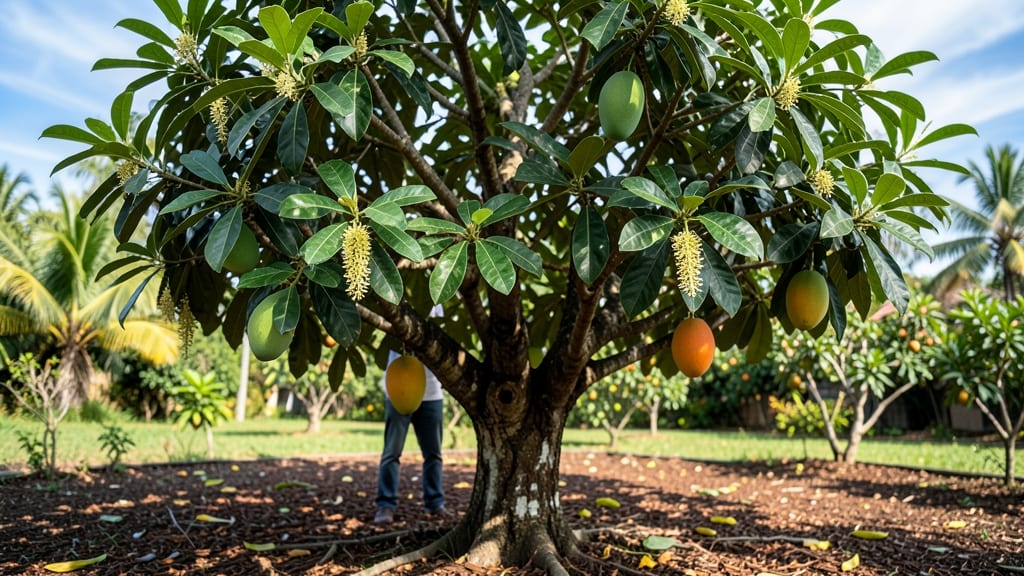
If you’ve ever imagined plucking ripe mangoes straight from your backyard tree, you’re probably wondering: how tall does a mango tree grow? The answer might surprise you—these tropical giants can stretch from compact 4-foot dwarfs to towering 60-foot monsters, depending on the variety and care you provide.
For most home gardeners, the size of your mango tree isn’t just about aesthetics—it’s about space, harvest potential, and long-term maintenance. A standard mango tree can easily outgrow a suburban yard, while dwarf varieties fit neatly into containers or small patios.
The right choice depends on your goals: Do you want a shade tree, a fruit producer, or both?
Let’s break down the height differences between dwarf, semi-dwarf, and standard mango trees, plus the key factors that influence their growth. Whether you’re working with limited space or dreaming of a lush tropical canopy, you’ll find the perfect fit for your garden—or even your balcony.
Ready to discover which mango tree size aligns with your vision? We’ll cover everything from variety selection to pruning tips that keep your tree manageable, no matter how tall it’s meant to be.


Mango tree height by variety: from dwarf to giant sizes
If you're wondering how tall does a mango tree grow, the answer depends entirely on the variety you choose. Mango trees (Mangifera indica) can range from compact dwarfs under 10 feet to towering giants over 60 feet tall.
Understanding these differences helps you plan your garden layout and choose the right tree for your space.
Most standard mango varieties reach 30 to 60 feet at maturity, making them unsuitable for small yards or urban gardens. However, dwarf varieties like ‘Cogshall’ or ‘Julie’ stay between 8 to 15 feet, offering a practical solution for home gardeners with limited space.
Here’s how mango tree heights break down by category: dwarf (4–10 ft), semi-dwarf (15–25 ft), and standard/giant (30–60+ ft). Each category has distinct growth patterns and care requirements that impact fruit production and tree longevity.
For example, a standard ‘Haden’ mango tree can grow 50–60 feet tall, while a dwarf ‘Carrie’ tops out around 10 feet. The right choice depends on your yard size, climate, and how much maintenance you’re willing to commit to.
Below is a detailed comparison of popular mango varieties and their mature heights, helping you visualize how each fits into your landscape.
🌱
When selecting a mango tree, consider not just height but also fruit size, flavor, and climate suitability. For instance, ‘Carrie’ produces small, sweet mangoes perfect for containers, while ‘Haden’ yields larger fruits but requires ample space.
Climate also plays a role: dwarf varieties thrive in USDA Zones 10–11, while standard trees need warm, tropical conditions to reach their full height. In cooler climates, even dwarf varieties may struggle without protection.
If you’re growing a standard mango tree, plan for pruning to manage height and shape. Regular pruning not only controls growth but also improves airflow and sunlight penetration, reducing disease risk and boosting fruit production.
For those with limited space, container-growing is an option—just ensure your pot is at least 24 inches wide and deep and use a well-draining potting mix. Dwarf varieties like ‘Julie’ adapt well to containers but may produce slightly smaller fruits.
🌿
Mango tree height by variety: from dwarf to giant sizes
Mango trees (Mangifera indica) are famous for their tropical allure, but their height can vary dramatically—from dwarf varieties that fit in small yards to giant trees that dwarf skyscrapers. Understanding these differences helps you choose the perfect tree for your space and climate.
Most standard mango trees reach 30–60 feet tall, but dwarf and semi-dwarf varieties stay manageable at 4–25 feet, making them ideal for home gardens.
Your tree’s height depends on its variety, rootstock, and growing conditions. For example, the ‘Cogshall’ dwarf mango stays under 10 feet, while the ‘Keitt’ standard variety can soar to 50+ feet.
Even in containers, some varieties grow taller than expected if not pruned regularly. Let’s break down the height ranges by category so you can plan your backyard oasis with confidence.
| Variety Type | Mature Height | Space Needs | Best For |
|---|---|---|---|
| Dwarf Varieties | 4–10 ft | Containers, small yards | Urban gardens, patios |
| Semi-Dwarf | 15–25 ft | Medium yards, pruned trees | Backyard orchards, privacy screens |
| Standard/Giant | 30–60+ ft | Large properties, rural areas | Commercial farms, shade trees |
If you’re growing mangoes in containers, even dwarf varieties can reach 12–15 feet without pruning. The key is choosing dwarf rootstock like ‘Dwarf Indian’ or ‘Grafted Cogshall’, which naturally stay smaller.
However, these trees still need full sun (6+ hours daily) and well-draining soil to thrive. Without proper care, even dwarf mangoes can grow taller than expected.
For standard varieties, expect rapid growth—some trees add 3–5 feet per year in ideal conditions. In tropical climates like Florida or Hawaii, mango trees grow faster than in California or Arizona, where cooler nights can slow growth.
Always check your USDA hardiness zone (mangoes thrive in zones 10–11) before planting to avoid stunted growth.
Pruning plays a critical role in managing height. Young mango trees benefit from structural pruning to encourage a strong canopy, while mature trees can be topped to control height. Just avoid heavy pruning during flowering season, as this can reduce fruit production.
With the right variety and care, even a small backyard can yield sweet mangoes without sacrificing space.
Remember, soil quality and watering habits also influence height. Mango trees in nutrient-rich, slightly acidic soil (pH 5.5–7.0) grow taller and produce more fruit. If your soil is poor, amend it with compost or organic matter before planting.
Overwatering can lead to weak growth, while deep, infrequent watering promotes stronger roots and healthier height development.