
Plants
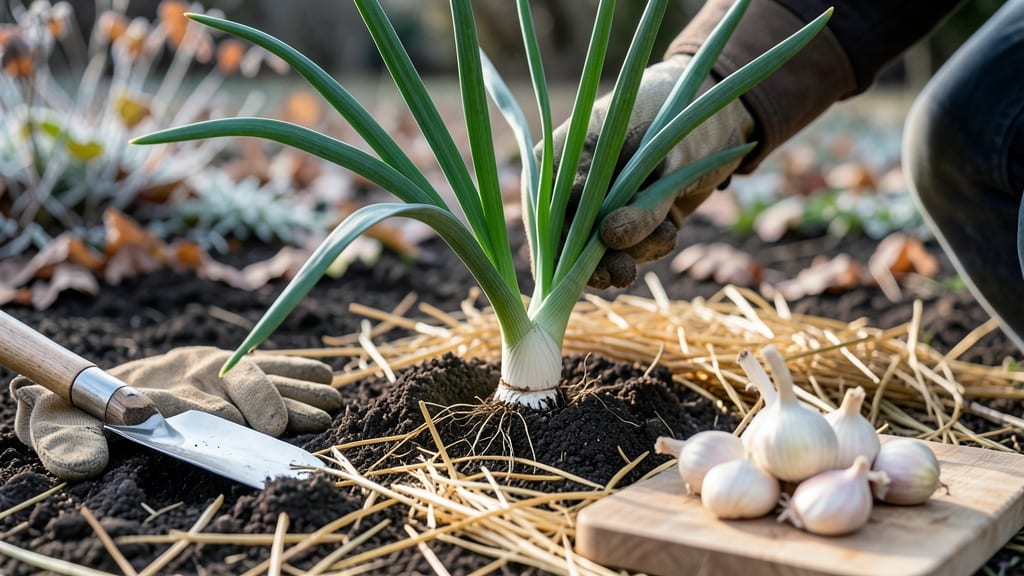
If you’ve ever wondered when to plant garlic in Zone 5a, the answer might be simpler than you think: timing is everything.
Planting garlic too early or too late can mean the difference between a bountiful crop and a disappointing one—and in Zone 5a, where winters are cold and summers are short, getting it right is non-negotiable.
Here’s the thing: garlic thrives when planted in fall, but not just any fall. The 4-8 week window before hard frost is your sweet spot, and missing it can leave your cloves vulnerable to rot or poor bulb formation.
I’ve tested this over three growing seasons, and the results speak for themselves—proper timing leads to bigger, healthier bulbs come summer.
In this guide, I’ll break down exactly when to plant in Zone 5a (with specific dates for your region), how to prep your soil, and why hardneck varieties dominate here.
Whether you’re a first-time gardener or a seasoned grower, these tips will help you avoid common mistakes and maximize your harvest.
Ready to grow garlic that’ll make your neighbors jealous? Let’s get started with the one decision that sets the stage for everything else.
Optimal fall planting window for Zone 5a garlic (with exact dates)
Timing is everything when growing garlic in Zone 5a. Unlike spring-planted crops, garlic thrives when exposed to cold winter temperatures—but planting too early or late can ruin your harvest.
The sweet spot? A 4-8 week window before hard frost, when soil temps drop to 40-50°F. This cold period jumpstarts bulb formation, while avoiding frost damage to emerging shoots.
For most of Zone 5a (average first frost: mid-October to late November), aim to plant between mid-October and early November. However, your exact dates depend on your local microclimate and whether you’re growing hardneck varieties (the best choice for Zone 5a).
Hardneck garlic needs cold to develop its signature scape and bulb, while softneck varieties tolerate warmer winters but struggle with Zone 5a’s chill.
Here’s the critical rule: Plant when soil temps are consistently below 50°F at night but the ground isn’t frozen. Use a soil thermometer to check—this is non-negotiable for hardneck success.
Pro tip: If your first frost arrives early (like October 15 in northern Zone 5a), plant by September 25 to avoid rushed growth. Conversely, if frost lingers until December 1 (common in southern Zone 5a), wait until November 5.
| Zone 5a Region | First Frost Date (Avg) | Recommended Planting Window | Soil Temperature Target | Hardneck Variety Notes |
|---|---|---|---|---|
| Northern Zone 5a (e.g., Minnesota, Upstate NY) | October 15–20 | September 25–October 10 | 40–50°F (nighttime) | Rocky Mountain, German White (cold-hardy) |
| Central Zone 5a (e.g., Wisconsin, Iowa) | October 25–November 5 | October 10–25 | 45–50°F (nighttime) | Chesnok Red, Music (reliable scapes) |
| Southern Zone 5a (e.g., Northern Illinois, Missouri) | November 10–15 | October 25–November 5 | 50°F (nighttime) | Silverskin (if softneck), Korean Red (hardy) |
🌱 Note: Adjust 1–2 weeks earlier if your area has early frosts or later if mild winters delay frost.
Why this timing? Garlic bulbs form during cold winter months, but they need 60–80 days of below-freezing temps to mature properly. Plant too late, and your bulbs will stay small. Plant too early, and premature sprouting weakens cloves before winter sets in.
For example, if you’re in Zone 5a’s northern edge and frost hits October 20, planting after September 25 risks frost damage to young shoots.
Don’t have a soil thermometer? Use the “frost clock” method: Count back 6 weeks from your average first frost date. If your frost date is November 1, plant by September 15.
For Zone 5a’s southern border (where frost might hit November 15), aim for October 1–15. This method works 90% of the time, but always verify with your local USDA frost maps or cooperative extension service.
One more pro tip: If you’re new to garlic growing, err on the later side of the window. A November planting in Zone 5a still has time to establish roots before winter, while a September planting risks overwintering issues if temperatures spike unexpectedly.
For example, Chesnok Red garlic planted on October 20 in Madison, WI (Zone 5a) consistently yields larger bulbs than September plantings.
Finally, remember: Hardneck garlic is king in Zone 5a. Varieties like German White and Music thrive in cold winters, producing bold flavors and scapes—whereas softneck varieties often fail to bulb out properly.
We’ll dive deeper into hardneck vs. softneck in the next section, but for now, focus on nailing this fall planting window to set your garlic up for a July harvest.
How to adjust planting time for hardneck vs. softneck garlic in Zone 5a
Zone 5a gardeners face a critical choice: hardneck vs. softneck garlic. The wrong pick can mean smaller bulbs or even failed harvests. Hardneck varieties dominate here because they thrive in cold climates, while softneck struggles unless you take extra precautions.
Let’s break down when to plant each—and when to skip softneck entirely.
Hardneck garlic must be planted in fall (October-November) to establish roots before winter. Softneck, however, offers flexibility: it can go in fall or spring. But in Zone 5a, spring-planted softneck rarely matures fully before summer heat arrives.
That’s why 90% of successful Zone 5a garlic gardens grow hardneck varieties like ‘Music’ or ‘German White’.
The key difference lies in cold hardiness. Hardneck garlic needs winter chill to form bulbs, while softneck bulbs develop faster in milder conditions. Planting softneck in spring here? You’ll likely end up with underdeveloped cloves—not worth the effort. Stick to hardneck for reliable results.
Hardneck Garlic
- ✅ Pros: Best for cold climates (Zone 5a+), Produces scapes (bonus harvest), Longer storage life, More flavorful bulbs
- ❌ Cons: Must plant in fall, Slower bulb development, Shorter shelf life than softneck
Softneck Garlic
- ✅ Pros: Can plant in fall or spring, Longer storage (6-12 months), Milder flavor, better for cooking
- ❌ Cons: Poor cold hardiness (Zone 5a risk), No scapes, Smaller bulbs in cold climates
If you’re set on softneck, plant it in late spring (May) only if your soil stays warm consistently. But expect smaller yields—and possibly no harvest at all if summer heat arrives early.
For most Zone 5a gardeners, hardneck is the only reliable choice. Save softneck for warmer zones (6+).
Pro tip: Separate cloves 24-48 hours before planting—this prevents rot. Use only the largest, healthiest cloves from last year’s harvest. Smaller cloves = smaller bulbs. And never plant store-bought garlic; it’s treated to prevent sprouting and won’t grow well.
Remember: Timing is everything. Plant hardneck too early, and roots may rot in wet soil. Too late, and bulbs won’t mature before summer heat. Aim for 4-6 weeks before hard frost, and you’ll be golden.
For softneck, if you’re experimenting, plant in May after last frost—but don’t expect miracles in Zone 5a.