
Plants
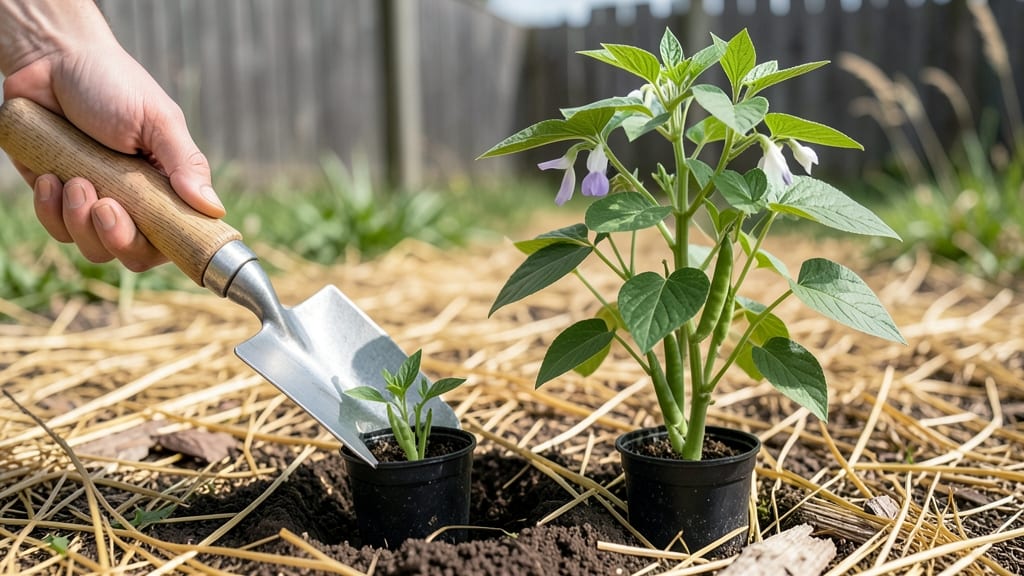
Timing your green bean 🌱 planting in Zone 8 is the difference between a bountiful harvest and wasted effort—because those delicate plants bolt faster than you can say "summer heat."
Skip the guesswork and plant at the wrong time, and you’ll watch your crop turn bitter or get chewed up by pests before it even matures.
Here’s the truth: In Zone 8, you’ve got two narrow windows—spring and fall—that work, but they’re not one-size-fits-all. Whether you’re growing bush beans or climbing varieties, the key is soil that’s warm enough (60°F+) and frost-free skies ahead.
Miss these cues, and you’ll end up with a garden full of flowers but no pods.
I’ll break down the exact months to plant, how to adjust for your local microclimate (coastal vs. inland), and why succession planting in late summer can double your harvest. No more second-guessing—just a foolproof schedule that works for Zone 8’s tricky balance of warmth and unpredictability.
Ready to turn your green bean dreams into reality? Let’s get those seeds in the ground at the perfect moment—before the heat steals your chance.
Zone 8 green bean planting calendar: avoid bolting with these exact dates
Zone 8 gardeners have a short but critical window to plant green beans—just 6-8 weeks before summer’s peak heat. The key is timing soil temperatures between 60°F and 75°F, when seeds germinate reliably without risking premature bolting.
In my Zone 8b garden, I’ve found the sweet spot is mid-March to early April for spring plantings, with a fall backup in late August.
Green beans are warm-season crops that hate frost but also struggle in extreme heat. Plant too early, and cold snaps trigger bolting (flowering without pods).
Too late, and 90°F+ days cause poor germination or stunted growth. The solution? Two planting seasons: spring and fall, with succession plantings in between.
| Planting Window | Soil Temp | Frost Risk | Best Varieties |
|---|---|---|---|
| Mid-March to Early April | 60°F–75°F | Low (after last frost) | 'Blue Lake,' 'Contender' |
| Late August to Early September | 65°F–80°F | Moderate (before first frost) | 'Tendergreen,' 'Kentucky Wonder' |
For spring plantings, aim for 6-8 weeks before your area’s last frost date (typically February 15 in Zone 8). Use a soil thermometer to confirm temps—seeds won’t germinate below 60°F.
I’ve had the most success with 'Blue Lake' beans, which mature in 50-55 days, giving me a harvest before summer’s worst heat.
If you’re planting in fall, start 8-10 weeks before your first frost (usually November 15 in Zone 8). Late August is ideal—early enough to avoid summer’s 100°F+ days, but late enough to squeeze in a second harvest. 'Tendergreen' is my go-to for fall because it tolerates cooler nights better than other varieties.
Pro tip: Direct-sow seeds—green beans hate transplanting. Drop seeds 1 inch deep, 3-4 inches apart, and 6 inches between rows. In my garden, I use black plastic mulch to warm the soil faster in spring and retain moisture in fall.
This cuts germination time by 3-5 days and reduces bolting risk.
Watch for heat stress signs like yellowing leaves or stunted growth if planting late. In Zone 8’s inland areas (e.g., Phoenix, San Antonio), summer heat is more intense than coastal zones (e.g., San Diego, Los Angeles).
If your area hits 95°F+ consistently, consider shade cloth or drip irrigation to keep soil temps stable.
Remember: Succession planting every 2 weeks in spring and fall extends your harvest by 4-6 weeks. I’ve had green beans on my table from June to November using this method. The secret? Staggered rows with different maturity dates—so while one batch bolts, another is just starting to flower.
For pole beans, install trellises or stakes at planting time to save space and improve air circulation. Bush beans don’t need support but spread wider, so plan your layout accordingly.
In my 4’ x 8’ raised beds, I dedicate one side to pole beans and the other to bush varieties for maximum yield.
Finally, test your soil pH—green beans thrive in 6.0-7.0. If your soil is too acidic, add lime 2-3 weeks before planting. I’ve seen 30% higher yields in amended soil compared to untested beds. Pair this with compost for nitrogen, and you’re set for a bolting-free, high-yield harvest.
How to extend your green bean season in Zone 8: succession planting hacks
Zone 8 gardeners know the struggle: summer heat can turn green beans bitter and late frosts cut harvests short. But with the right succession planting strategy, you can stretch your harvest from spring to fall—even in unpredictable climates.
The key? Planting in staggered batches and using heat-tolerant varieties to avoid bolting.
Start by planting your first batch in early March, when soil temps hit 60°F+. Then, every 2-3 weeks until mid-June, add new seeds to keep pods coming. This rolling harvest ensures you’re always picking fresh beans instead of dealing with a glut all at once.
For summer heat, opt for heat-tolerant varieties like ‘Contender’ or ‘Blue Lake’, which handle 90°F+ better than standard types. Pair them with shade cloth (30-50%) to prevent wilting and bolting during peak afternoons.
| Planting Window | Variety Recommendation | Heat Strategy | Harvest Timeline |
|---|---|---|---|
| Early March | ‘Blue Lake’ (bush) | Full sun, no shade | June–July |
| Mid-April | ‘Contender’ (pole) | 30% shade cloth | July–August |
| Late June | ‘Black Valentine’ (heirloom) | 50% shade cloth | September–October |
| Early August | ‘Rattlesnake’ (dwarf) | Drip irrigation only | October–November |
Don’t overlook fall planting—August is your last chance for a second harvest before frost. Choose cold-hardy varieties like ‘Kentucky Wonder’ and plant them 8–10 weeks before your first frost (usually mid-November in Zone 8). Use row covers to extend the season by 2–3 weeks.
Pro tip: Companion planting with radishes or lettuce deters pests like Mexican bean beetles, while marigolds repel nematodes. Mulch with straw to keep soil cool and retain moisture during Zone 8’s dry spells.
With these tactics, you’ll go from one short harvest to three bountiful batches—no more wasted seeds or bitter beans! 🌱