
Plants
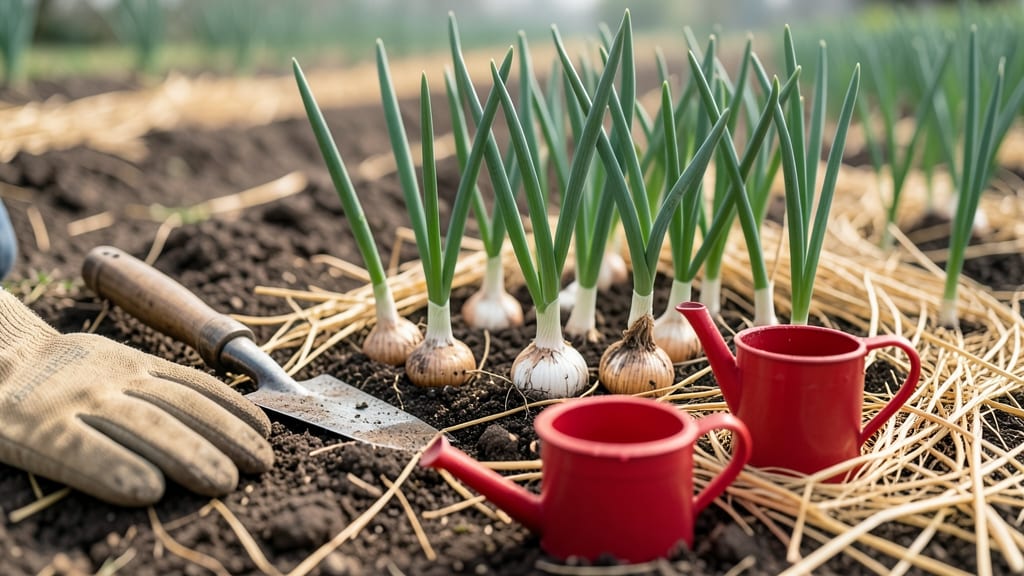
Timing your 🧅 onion planting in New Mexico isn’t just about following a calendar—it’s about beating the desert’s unpredictable swings between 6b and 8a zones.
Plant too early, and frost will turn your crop to mush; too late, and you’ll miss the sweet, flavorful harvest window that makes homegrown onions worth the effort.
I’ve grown onions in Albuquerque’s high desert for years, and the key is knowing when to tuck those sets into the soil—whether you’re aiming for a spring harvest or a fall one. The right window means fewer bolting plants, bigger bulbs, and a garden that actually delivers on its promise.
Let me show you exactly when to plant for your specific corner of the state, from Albuquerque’s chilly mornings to Las Cruces’ longer growing season.
We’re talking about varieties that thrive here, like Texas Early White or Yellow Granex, and how to prep your soil so your onions don’t struggle with New Mexico’s dry spells.
Whether you’re a first-time gardener or a seasoned grower, these tips will help you avoid the most common mistakes—and end up with a pantry full of homegrown goodness.
Ready to skip the guesswork? I’ll walk you through the exact months to plant, how to adjust for altitude, and even how to stretch your harvest season.
By the end, you’ll know exactly when to get those onion sets in the ground for a crop that’s as reliable as it is delicious.
New Mexico onion planting calendar: frost dates & optimal windows by region
New Mexico’s diverse climate—from the high desert of Albuquerque to the warmer valleys of Las Cruces—means onion planting windows vary dramatically. In USDA Zones 6b–7a, like Santa Fe and Taos, onions thrive with fall or early spring planting, while Zone 8a areas like Roswell can extend growing seasons.
The key is aligning your planting with first frost dates, which can differ by 2–4 weeks across the state.
For spring harvests, aim to plant onion sets or transplants in February–March after the last frost. In Albuquerque (Zone 7a), this typically means March 1–15, while Las Cruces (Zone 8a) gardeners can start as early as February 15.
Fall plantings for late summer harvests should occur 6–8 weeks before the first frost, usually September–October in northern regions.
🌱
| Region | Last Frost Date | First Frost Date | Spring Planting Window | Fall Planting Window | Harvest Window |
|---|---|---|---|---|---|
| Albuquerque (Zone 7a) | February 15 | October 15 | March 1–15 | September 1–15 | May–June (spring) / August–September (fall) |
| Santa Fe (Zone 6b) | March 1 | November 1 | April 1–15 | August 15–September 1 | June–July (spring) / September (fall) |
| Las Cruces (Zone 8a) | April 1 | December 1 | February 15–March 1 | October 1–15 | April–May (spring) / October–November (fall) |
| Roswell (Zone 7b) | February 28 | November 15 | March 1–30 | September 15–October 1 | May–June (spring) / September (fall) |
In Albuquerque, where frost can arrive as early as mid-October, prioritize fall plantings in September for a late summer harvest. Meanwhile, Santa Fe’s later frost dates allow for a two-week extension in both spring and fall windows.
For southern New Mexico, like Las Cruces, the longer frost-free season lets you plant onions twice a year—once in early spring and again in fall.
Always check your local Cooperative Extension Service for updated frost dates, as microclimates—like valleys or mountain slopes—can shift windows by 1–2 weeks. For example, Taos (Zone 6b) may need to wait until mid-April for spring planting, while Clovis (Zone 7a) can start in late February.
For short-day varieties, like ‘Texas Early White,’ plant in fall to avoid bolting (premature flowering) caused by long daylight hours in spring. Intermediate-day varieties, such as ‘Yellow Granex,’ adapt better to New Mexico’s variable light and can be planted in both seasons.
🌡️
Pro tip: Use row covers in late spring to protect young plants from unexpected late frosts, which can occur as late as April in northern regions. Conversely, in southern New Mexico, shade cloth during summer’s peak heat (June–July) prevents bolting and ensures sweeter bulbs.
Timing isn’t just about frost—it’s also about soil temperature. Onions need soil at 40°F or warmer to germinate. In Albuquerque, soil
Best onion varieties for New Mexico’s climate: cold-hardy vs. heat-tolerant choices
New Mexico’s altitude swings and short growing seasons mean not all onion varieties thrive equally.
The key is choosing day-length sensitive types that match your region’s climate. Short-day varieties (like Texas Early White) work best in southern NM, while intermediate-day types (like Yellow Granex) suit the high desert. Heat-tolerant varieties like Sweet Sandwich can handle Las Cruces’ summer heat better than traditional yellows.
Your USDA zone and elevation play a huge role. Albuquerque’s 6b-7a zones need cold-hardy types, while zone 8a areas like Las Cruces can handle heat-tolerant varieties. Always check seed packets for day-length requirements—planting the wrong type can lead to bolting (flowering) instead of bulb formation.
Here’s how to match varieties to New Mexico’s microclimates:
| Variety | Day-Length | Best For | Planting Depth | Spacing |
|---|---|---|---|---|
| Texas Early White | Short-day | Southern NM (zones 8a) | 1 inch deep | 4 inches apart |
| Yellow Granex | Intermediate-day | High desert (zones 6b-7a) | ½ inch deep | 3 inches apart |
| Sweet Sandwich | Heat-tolerant | Las Cruces (zone 8a) | 1 inch deep | 6 inches apart |
| Red Creole | Short-day | Southern NM (zones 8a) | ¾ inch deep | 4 inches apart |
For Albuquerque and Santa Fe, prioritize intermediate-day varieties like Yellow Granex. These handle the cooler nights and shorter days better than short-day types. Plant sets (small bulbs) in early spring (March) or late summer (August) for a fall harvest.
In Las Cruces, opt for heat-tolerant varieties like Sweet Sandwich to avoid bolting during 90°F+ days.
Pro tip: Pre-sprout sets indoors for 2 weeks before transplanting to jumpstart growth in New Mexico’s cool, dry springs. This gives your onions a 2-3 week head start before the last frost.
Just place sets in a paper towel, mist with water, and keep them in a cool, dark spot until roots appear.
Always test your soil pH before planting—New Mexico’s alkaline soils (pH 7.5+) can stunt onion growth. Aim for a pH of 6.0–6.8 by amending with sulfur or peat moss.
A simple soil test kit (available at garden centers) makes this easy. Well-draining soil is critical to prevent rot, especially in clay-heavy areas like Rio Grande Valley.
🌱