
Flowers
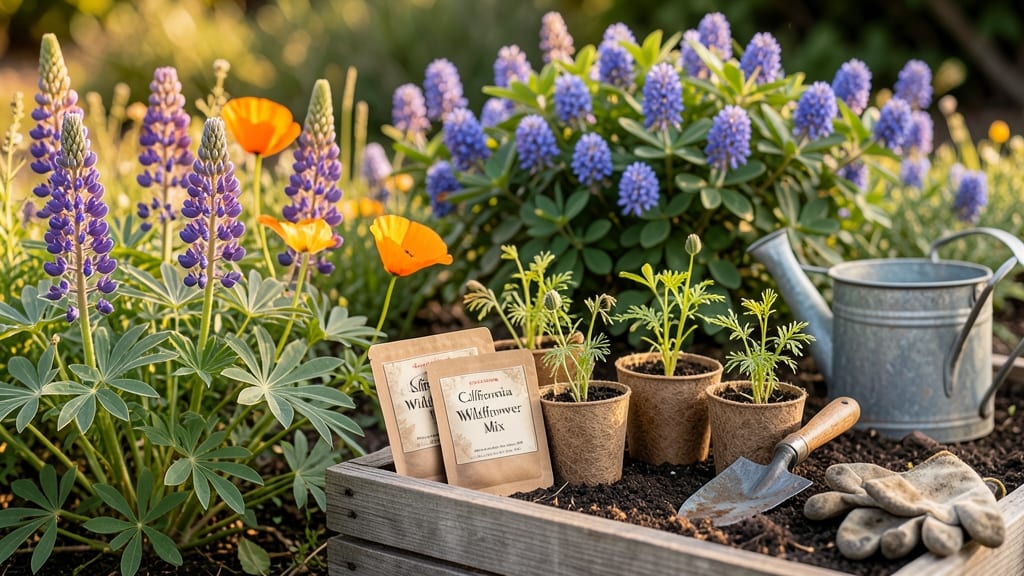
If you’ve ever planted flowers in California only to watch them wilt before they even bloom, you’re not alone—timing is everything in this state’s diverse climate. The wrong month can mean the difference between a garden bursting with color and a sad, sunburned mess.
But here’s the good news: with the right deadlines for your zone, you can enjoy year-round blooms, from frost-resistant poppies in the north to heat-loving bougainvillea in SoCal.
California’s microclimates—where coastal fog keeps plants cool while inland areas bake—mean there’s no one-size-fits-all answer. Whether you’re in USDA zones 7b-9a (like Sacramento) or 9b-11 (like San Diego), the key is knowing when to plant cool-season flowers (like pansies) versus warm-season stars (like zinnias).
I’ll break down the exact months for annuals, perennials, and bulbs, so you can skip the guesswork and start your garden with confidence.
Ready to transform your yard into a vibrant, low-maintenance paradise? We’ll also cover pro tips for extending your blooming season—like beating frost in the north or avoiding heat stress in the Central Valley. No more wasted seeds or wilting dreams; just perfectly timed flowers that thrive all year.
Let’s dive into the zone-specific deadlines that’ll have your garden looking like a postcard—no matter where in California you live.
California planting zones & their flower-specific deadlines
California’s USDA zones 7-11 create wildly different planting windows—what works in San Francisco’s coastal fog (Zone 9b-10a) fails in Death Valley’s desert heat (Zone 9a-10b). Even within zones, elevation changes shift frost dates by weeks.
For example, Sacramento (Zone 9a) has 100+ frost-free days, while Los Angeles (Zone 10a) rarely sees frost at all.
Most of California’s annual flowers thrive when planted 6-8 weeks before last frost—but since frost is rare in Southern California, timing shifts to avoid summer heat stress.
In Northern California (Zones 7b-9a), cool-season flowers like pansies and snapdragons go in September-October, while warm-season favorites (like zinnias) wait until March-April.
Here’s how to adjust for your microclimate: Coastal areas (e.g., Santa Barbara) can plant earlier thanks to milder winters, while inland valleys (e.g., Central Valley) must delay planting to escape late-spring frosts. Desert regions (like Palm Springs) focus on heat-tolerant varieties planted in early spring or fall.
Bulbs like tulips and daffodils need cooler soil temps to bloom, so plant them in November-December in Northern California but wait until January-February in SoCal. Perennials, like lavender and coreopsis, establish best when planted in early spring or fall, avoiding extreme heat or cold.
🌱Pro Tip: Use your local nursery’s frost date guide—many cities (like San Diego vs. San Jose) differ by 30+ days.
| Zone & Location | Last Frost Date | Ideal Planting Window | Key Adjustments |
|---|---|---|---|
| Zones 7b-9a (Northern CA: Sacramento, Redding) | Mid-Dec to Early Mar | Cool-Season: Sep-Oct Warm-Season: Mar-Apr |
Plant 6-8 weeks before last frost; avoid late-spring frosts. |
| Zones 9b-10a (Coastal: SF, LA, Santa Barbara) | Rare (elevations >3000ft) | Cool-Season: Oct-Nov Warm-Season: Feb-Mar |
Prioritize partial shade in summer; drought-tolerant picks. |
| Zones 9a-11 (Desert: Palm Springs, Death Valley) | Never (or high elevations) | Cool-Season: Nov-Dec Warm-Season: Aug-Sep |
Avoid summer planting; use shade cloth for seedlings. |
| Zones 10b-11 (SoCal: San Diego, Riverside) | Rare (high elevations) | Year-round (succession plant) | Focus on heat-tolerant annuals; mulch heavily. |
For container gardening, adjust timelines by 2-4 weeks earlier—pots warm up faster and dry out quicker. Succession planting (e.g., every 2 weeks for marigolds) extends blooms by 3-4 months in SoCal. Meanwhile, Northern California gardeners should plant cool-season flowers in late summer to beat winter rains.
🌿Native California flowers (like California poppies and matilija poppies) thrive with minimal intervention—they’re adapted to drought and poor soil. Plant them in fall or early spring for best establishment.
If you’re in a transition zone (e.g., Bay Area foothills), err on the side of planting later—late frosts are more damaging than delayed blooms. Use row covers for tender seedlings in March-April to protect against unpredictable cold snaps.
🌡️Heat stress is the biggest enemy in Southern California. Avoid planting heat-sensitive
Best flowers to plant by season (with exact months)
California’s seasonal shifts create perfect windows for planting cool-season and warm-season flowers. In Northern California (USDA Zones 7b-9a), you can start cool-season blooms like pansies and snapdragons as early as September, while Southern California (Zones 10-11) enjoys year-round planting for heat-lovers like portulaca and zinnia.
Timing is everything—plant too early, and your warm-season flowers may bolt; too late, and cool-season varieties won’t establish before summer heat.
For annuals, aim to sow seeds 6-8 weeks before your region’s last frost date (though most of California avoids frost).
In cooler inland areas, like the Sacramento Valley, start spring-blooming bulbs (like tulips) in November, while coastal zones can plant dahlias as late as April without frost risk. Succession planting every 2-3 weeks ensures continuous blooms—critical for cutting gardens or long-season color.
🌸 Numbered Highlights: Seasonal Planting Calendar
- 📅 September-October: Plant pansies, snapdragons, and calendula for winter blooms. Bulbs like crocus and daffodils thrive when soil temps drop below 60°F.
- 📅 November-December: Sow larkspur and stock for early spring color. Coastal areas can add sweet peas—they need cool nights to set buds.
- 📅 January-February: Transplant perennials like lavender and rosemary (drought-tolerant picks for SoCal). Avoid planting warm-season flowers until soil warms to 65°F.
- 📅 March-April: Start zinnias, sunflowers, and marigolds from seed. Transplant geraniums and petunias after last frost (usually mid-March inland, February coastal).
- 📅 May-June: Plant heat-tolerant annuals like portulaca and celosia. Succession-sow basil flowers (like ocimum) every 2 weeks for continuous blooms.
- 📅 July-August: Focus on drought-resistant picks: blanket flowers, gaillardia, and desert marigolds. Deadhead spent blooms to encourage fall reblooming.
Native California wildflowers like California poppies and matilija poppies are low-maintenance and thrive when planted in late winter (January-February). These drought-tolerant beauties self-seed aggressively—ideal for wildflower meadows or xeriscapes.
For container gardens, opt for compact varieties like bachelor’s buttons or nasturtiums, which you can plant year-round in SoCal’s mild climate.
Pro timing tip: Use soil thermometers to monitor temps—most warm-season flowers need soil at 65°F+, while cool-season varieties prefer 50-60°F.
In high-desert areas (like Eastern Sierra), wait until May to plant heat-sensitive annuals to avoid overnight chills. Mulch with straw or wood chips to regulate soil temps and retain moisture.
Don’t overlook fall planting—it’s the secret to spring blooms.
In October-November, plant bulbs like tulips and hyacinths in cooler inland zones, while coastal gardeners can tuck in spring-flowering perennials like lupines or columbines. Succession planting in late summer (August-September) ensures continuous color through fall and winter.
For extended blooms, pair early bloomers (like pansies) with late-season picks (such as cosmos) to create a non-stop floral display.
In Southern California, where winters are mild, you can even plant spring bulbs in December—just water deeply during dry spells to prevent dormancy. Happy planting! 🌻